

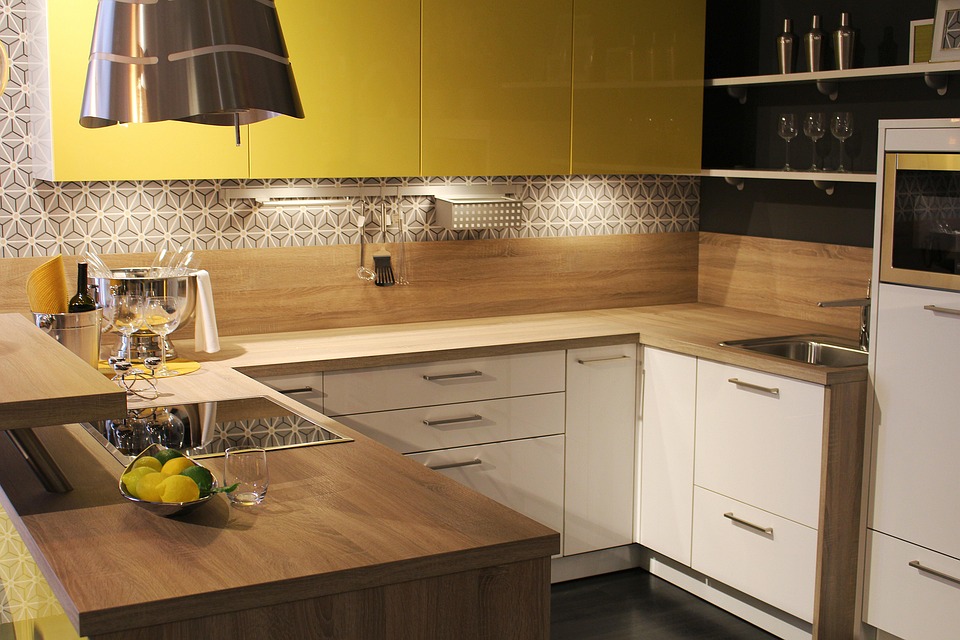
The kitchen, long regarded as the warm, indispensable heart of the home, traditionally a sanctuary defined by tactile processes, human skill, and the fragrant rituals of food preparation, is currently undergoing a swift and profound metamorphosis, rapidly evolving into a sophisticated hub powered by intelligent technology and advanced connectivity.
This transformation extends far beyond the simple integration of smart speakers or basic digital displays; it signifies the comprehensive assimilation of Artificial Intelligence (AI), robotics, advanced sensor technology, and seamless Internet of Things (IoT) connectivity into every cooking, storage, and cleaning function. Modern consumers are increasingly demanding that their culinary spaces offer not just utility, but unprecedented efficiency, precise health management, and a simplified, personalized cooking experience that dramatically reduces the labor and mental effort historically associated with meal preparation.
The ultimate goal of this technological revolution is not to replace the joy of cooking, but rather to augment human capabilities, ensuring that ingredients are optimally preserved, recipes are executed with machine-like precision, and the entire meal planning process, from grocery shopping to table cleanup, is managed by an integrated, intuitive, and highly automated system.
Pillar 1: The Foundation of the Connected Kitchen
Establishing the technological infrastructure that enables the smart kitchen ecosystem.
A. The Internet of Things (IoT) Integration
Connecting all appliances and devices into a cohesive network.
-
Seamless Communication: IoT devices ensure that all appliances, from the oven to the refrigerator, communicate with each other and with central control hubs (like voice assistants).
-
Centralized Control: This network allows users to monitor and control all kitchen functions remotely via a smartphone application, adjusting temperatures or starting cycles from any location.
-
Data Exchange: The connected devices collect and share crucial data on energy usage, ingredient stock levels, and cooking times, which is then used to optimize future performance.
B. Voice Control and Conversational Interfaces
Making the kitchen truly hands-free for improved efficiency and hygiene.
-
Hands-Free Operation: Voice control allows users to set timers, change oven temperatures, or add items to a shopping list without needing to touch a screen or appliance, which is essential when handling raw food.
-
Step-by-Step Guidance: Advanced voice assistants can read complex recipes aloud, pausing or repeating stepsupon verbal command, acting as a tireless, patient sous chef.
-
Integration with Utilities: The voice hub serves as the central command center, coordinating tasks between the stove, microwave, and even the smart lighting for optimized ambiance.
C. The Role of Smart Displays and Hubs
The visual interface for monitoring, planning, and entertainment.
-
Visualized Management: Integrated smart displays, often built into refrigerators or countertops, provide a visual dashboard for monitoring cooking progress, reviewing meal plans, and checking security camera feeds.
-
Recipe Overlay: These screens can overlay recipes directly onto the cooking surface or provide interactive video tutorials, ensuring the user follows the instructions accurately.
-
Family Communication: They function as a central family communication hub, displaying calendars, leaving voice messages, and managing music and video entertainment during meal prep.
Pillar 2: Intelligent Storage and Inventory Management
Revolutionizing how food is stored, tracked, and utilized to reduce waste.
A. The Smart Refrigerator Revolution
More than just keeping food cold, these devices manage the entire inventory.
-
Internal Cameras: Internal cameras take pictures every time the door closes, allowing the user to remotely check contents while at the grocery store.
-
Expiration Tracking: Utilizing visual recognition and input from the user, the smart fridge can track expiration dates and alert the user to items that need to be consumed soon.
-
Automated Shopping Lists: Based on current inventory and selected meal plans, the fridge can automatically generate or suggest additions to the online grocery shopping list.
B. Vacuum Sealing and Preservation Technology
Extending food freshness through controlled environments.
-
Extended Shelf Life: Advanced vacuum sealing systems, integrated into the countertop or drawer units, remove oxygen from stored food, dramatically extending the shelf life of fresh produce and meats.
-
Optimized Preservation Settings: Smart pantries and food drawers offer different temperature and humidity zones for various types of produce (e.g., crisper settings for herbs versus settings for root vegetables).
-
Waste Reduction: By accurately tracking what is available and maximizing freshness, these technologies significantly reduce household food waste, saving money and promoting sustainability.
C. Ingredient Identification and Recipe Generation
Using AI to turn available ingredients into actionable meal ideas.
-
AI Recipe Suggestion: The system uses AI to analyze the available ingredients reported by the smart fridge and pantry, then suggests recipes tailored to those items, minimizing last-minute grocery runs.
-
Dietary Filtering: These suggested recipes are automatically filtered based on established dietary restrictions(e.g., vegan, gluten-free, low-carb) and family preferences.
-
Portion Scaling: The smart system can instantly scale the recipe to accommodate the exact number of people being served, preventing over- or under-preparation.
Pillar 3: Precision Cooking and Automated Appliances

Bringing laboratory-level accuracy and repeatability to everyday meal preparation.
A. Smart Ovens and Temperature Control
Achieving perfect results through computational precision.
-
Probe Technology: Smart ovens utilize multiple internal probes and sensors to monitor the temperature of food in real-time and automatically adjust the cooking program to achieve a precise internal doneness.
-
Connectivity and Updates: Ovens connect to the internet to download software updates and new recipes directly from manufacturers or culinary experts, keeping the appliance’s capabilities fresh.
-
Pre-programmed Modes: They offer pre-programmed settings for specific foods (e.g., “Roast Chicken,” “Bake Pizza”) that automatically adjust cooking time based on food weight or initial temperature.
B. The Rise of Induction and Targeted Heating
Faster, safer, and more energy-efficient cooking methods.
-
Energy Efficiency: Induction cooktops heat cookware directly through electromagnetic fields, transferring energy with minimal loss compared to traditional electric or gas ranges, saving energy.
-
Instant Control: Induction offers instantaneous temperature control and faster heating times, allowing cooks to react quickly and precisely to food changes, improving culinary results.
-
Safety Features: Induction tops remain cool to the touch (only the pot gets hot), dramatically reducing the risk of burns and accidents in busy kitchens.
C. Automated Food Preparation Devices
Delegating complex or repetitive tasks to specialized gadgets.
-
Smart Coffee Makers: These devices learn morning routines, automatically grinding beans and brewing coffee to the desired strength and temperature just before the alarm goes off.
-
High-Tech Blenders: Blenders now include built-in scales and pre-set programs that automatically adjust blending speed and duration based on the ingredients loaded, ensuring perfect consistency for soups or smoothies.
-
Robotic Chef Assistants: Emerging technologies involve small robotic arms or countertop devices that can perform complex, repetitive tasks like stirring, chopping, or even assembling simple meal components under human supervision.
Pillar 4: Health Management and Wellness Integration
Using kitchen tech to support specific dietary goals and medical needs.
A. Integrated Scales and Nutritional Tracking
Making calorie and nutrient counting effortless and accurate.
-
Smart Cutting Boards: Cutting boards with integrated scales can measure ingredients as they are chopped, sending precise weight data directly to a nutritional tracking app.
-
Automatic Logging: As food is prepared, the smart kitchen system automatically logs all ingredients and portion sizes into the user’s health app, removing the manual effort of calorie counting.
-
Macronutrient Optimization: The system can provide real-time feedback on the macronutrient profile of a meal as it is being assembled, helping users meet specific fitness or medical goals.
B. Personalized Hydration and Water Quality
Monitoring and optimizing the most essential element of the diet.
-
Smart Filtration Systems: Integrated water filtration systems monitor water quality in real-time and alert users when filters need replacement, ensuring optimal taste and health.
-
Personalized Dispensing: Advanced refrigerators can dispense specific amounts of water into a container and track individual family member hydration goals throughout the day.
-
Mineral Balance: Some high-end systems can adjust the mineral balance of drinking water, catering to specific regional preferences or health recommendations.
C. Allergen and Safety Alerts
Using technology to prevent dangerous food-related incidents.
-
Ingredient Scanning: Advanced kitchen systems use barcode or image scanning to identify packaged ingredients and cross-reference them against family members’ pre-programmed allergen profiles (e.g., nuts, gluten).
-
Contamination Prevention: Smart cleaning systems and reminders encourage optimal sanitation protocols, reducing the risk of cross-contamination of allergens or bacteria during preparation.
-
Cooking Safety Monitoring: Sensors in the cooktop and oven detect dangerous smoke or overheating far sooner than standard smoke alarms and can automatically shut off appliances to prevent fires.
Pillar 5: Sustainability and Future Trends
The technological path toward a more eco-friendly and autonomous kitchen experience.
A. Energy Optimization and Efficiency
Using AI to reduce the carbon footprint of food preparation.
-
Peak Hour Management: Smart appliances can delay non-essential functions (like pre-heating or running the dishwasher) until off-peak energy hours, reducing electricity costs and strain on the power grid.
-
Usage Monitoring: Detailed energy consumption reports provided by the kitchen hub allow consumers to identify appliances that are inefficient or being used excessively, promoting conscious savings.
-
Resource Integration: Future kitchens are designed to integrate seamlessly with home solar power or battery storage systems, prioritizing renewable energy use for daily cooking tasks.
B. The Seamless Clean-Up Experience
Automating the least appealing aspect of the kitchen process.
-
Smart Dishwashers: Dishwashers now use advanced sensor technology to detect the level of soil on dishes, optimizing water usage and cycle length for maximum efficiency and savings.
-
Integrated Composting: Smart waste disposal units automatically separate organic waste for composting, tracking weight and offering tips on reducing overall waste volume.
-
Self-Cleaning Technology: Future oven designs incorporate highly efficient, fast, and low-energy self-cleaning cycles that utilize steam or specialized coatings to simplify maintenance.
C. Robotics and Autonomous Food Preparation
The frontier of completely automated meal production.
-
Modular Robotic Systems: Highly advanced future kitchens may utilize modular robotic systems that can autonomously select ingredients from the pantry, perform intricate chopping, and execute multi-step cooking procedures.
-
3D Food Printing: Personalized 3D food printers could produce complex, nutritionally customized foods with precise caloric and micronutrient profiles, especially useful for medical diets or space travel.
-
Subscription-Based Meals: The kitchen itself may integrate with subscription services that deliver pre-portioned, raw ingredients directly to a special docking station, ready for autonomous preparation by the smart appliances.
Conclusion: Cooking Smarter, Not Harder

The modern kitchen is rapidly transcending its traditional role, transforming into a high-tech ecosystem that seamlessly blends culinary art with computational intelligence.
The backbone of this transformation is the Internet of Things, which ensures that every appliance, from the refrigerator to the oven, communicates in a unified and highly efficient digital network.
Intelligent storage solutions use cameras, sensors, and AI to actively manage food inventory, track expiration dates, and automatically suggest recipes, thereby dramatically reducing costly food waste.
Precision cooking devices, such as smart ovens and induction cooktops, introduce scientific accuracy to meal preparation, guaranteeing consistently perfect results and enhancing energy efficiency.
Crucially, this technology integrates deeply with personal wellness, using smart scales and tracking systems to manage nutritional intake and provide real-time feedback on dietary goals and allergen risks.
The true value of the future kitchen lies not just in efficiency, but in reclaiming the user’s time and mental energy, allowing them to focus on the enjoyment of the culinary process rather than its logistical burdens.
By embracing these integrated technologies, homeowners are not just buying new gadgets but are investing in a healthier, more sustainable, and radically simpler method of preparing and enjoying food for decades to come.

