

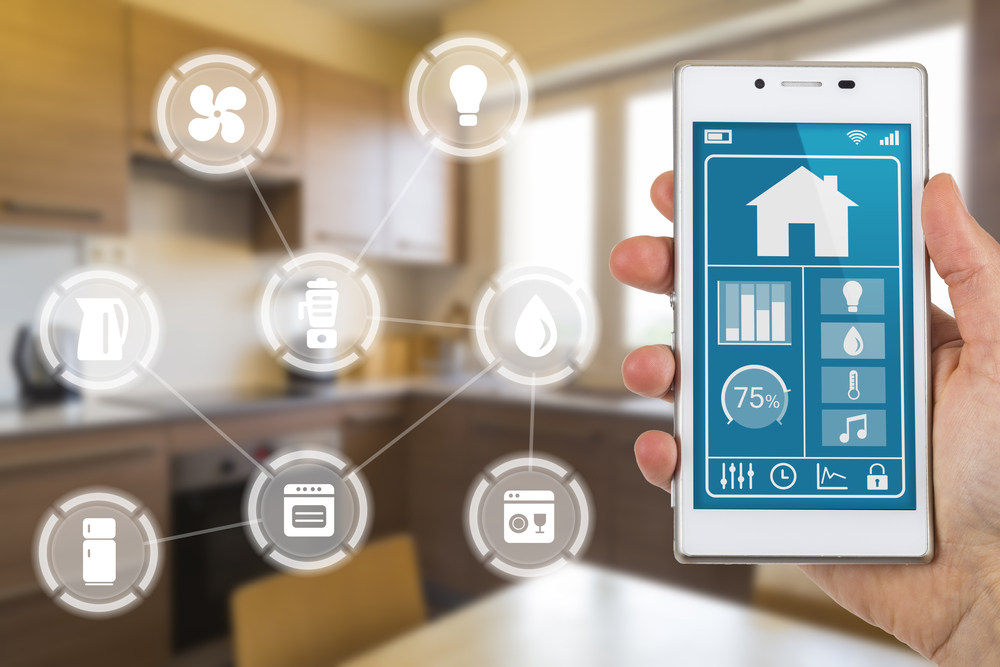
In the contemporary context of rising global energy costs, increasing environmental awareness, and the widespread demand for greater household budgetary control, the traditional, static management of home utilities—relying on manual adjustments and outdated mechanical systems—has become both economically inefficient and ecologically unsustainable, presenting a significant financial drain for countless households.
Modern smart home technology is no longer a mere collection of futuristic novelties for early adopters; it has rapidly matured into a sophisticated, interconnected ecosystem that provides homeowners with unprecedented visibility, granular control, and intelligent automation over the largest energy consumers within the residence, fundamentally changing the relationship between the consumer and the utility grid.
By replacing passive, reactive devices with learning, proactive systems, households can seamlessly optimize heating and cooling schedules, minimize “phantom load” power consumption, and strategically manage high-usage appliances during off-peak hours, generating substantial and consistent monthly savings without requiring the user to sacrifice comfort or convenience.
Successfully leveraging this digital revolution to reduce utility bills requires a strategic understanding of how various smart devices collaborate to identify waste, automate efficient behaviors, and empower homeowners to take definitive control over their domestic energy footprint, transforming the dwelling from a source of waste into an engine of efficiency.
Pillar 1: Smart Thermostats and Climate Control
The heating, ventilation, and air conditioning (HVAC) system is typically the largest energy consumer in any home, making it the prime target for smart optimization.
A. The Learning Advantage of Smart Thermostats
Moving beyond simple scheduling to true, intelligent climate management.
-
Behavioral Learning: Advanced smart thermostats learn the occupants’ daily patterns, preferences, and weekly schedules (e.g., when they wake up, leave, and return home) over time.
-
Geofencing: Utilizing smartphone GPS data (geofencing), the thermostat can automatically transition to an economy mode when the last person leaves the defined perimeter and return to a comfortable temperature just before the first person arrives.
-
Efficiency Reporting: These devices provide detailed energy usage reports and personalized efficiency tips, showing the homeowner exactly how much they saved by using the smart features versus standard use.
B. Optimizing HVAC Runtime
Using external data to run the heating and cooling system only when necessary.
-
Weather Integration: Smart thermostats pull real-time local weather data and future forecasts, adjusting the pre-heating or pre-cooling ramp-up time to optimize efficiency without user input.
-
Room Sensors: Additional wireless room sensors can be placed strategically to measure the temperature and occupancy of individual rooms, ensuring the system heats or cools based on the temperature where people actually are, not just where the main thermostat is located.
-
Humidity Management: Some advanced systems manage humidity levels alongside temperature, as reducing humidity in the summer can make a higher temperature feel more comfortable, thereby saving on cooling costs.
C. Zoned Control Systems
The ultimate strategy for personalized comfort and massive energy reduction.
-
Targeted Conditioning: Zoned systems allow the HVAC unit to direct heated or cooled air only to specific areas or rooms that are currently occupied, avoiding the unnecessary expense of conditioning unused spaces (like a basement or guest room).
-
Damper Control: Smart devices integrate with motorized dampers within the ductwork, automatically opening and closing them based on the input from the individual room sensors.
-
Investment Return: Although requiring higher upfront installation costs, zoned control offers one of the highest long-term returns on investment in terms of energy savings for large or multi-story homes.
Pillar 2: Eliminating Standby Power Waste (Phantom Load)
Tackling the insidious, continuous drain of energy by electronics that are “off.”
A. Understanding Phantom Power
The continuous, unseen consumption of electricity by plugged-in devices.
-
Vampire Draw: Many electronics, such as TVs, phone chargers, and gaming consoles, continue to draw small amounts of power (vampire load) even when turned off or in standby mode to maintain settings or wait for a remote signal.
-
Cumulative Cost: While the draw of a single device is small, the cumulative effect of dozens of devices plugged in 24/7 can account for $5\%$ to $10\%$ of a household’s total electricity bill.
-
Easy Prevention: Smart technology provides the simplest, most consistent solution to completely sever powerwhen devices are not needed.
B. Smart Plugs and Power Strips
The easiest and most affordable starting point for smart energy savings.
-
Remote Control: Smart plugs allow users to remotely switch off power to any device via a smartphone app, ensuring items truly stop drawing power when they are not in use.
-
Scheduling Automation: These plugs can be scheduled to automatically shut off power to devices during known periods of non-use (e.g., turning off the entertainment center overnight or during work hours).
-
Energy Monitoring: Many smart plugs include built-in energy monitoring capabilities, providing precise kilowatt-hour (kWh) readings for the connected device, helping users identify the biggest phantom load offenders.
C. Smart Home Integration for Shutdowns
Creating automated, seamless power-down routines.
-
“Leaving Home” Scenes: Users can create single voice commands or “scenes” (e.g., “Goodnight” or “Away”) that automatically trigger multiple smart plugs to shut down all unnecessary electronics simultaneously.
-
Motion Sensor Integration: Smart plugs can be linked to motion sensors so that power is only supplied to task lighting or entertainment systems when occupancy is detected in the room, cutting power immediately when the room is empty.
-
Voice Assistant Integration: The central voice control hub (like Amazon Alexa or Google Home) serves as the brain, orchestrating the coordinated shut-down of all associated devices via the smart plugs.
Pillar 3: Intelligent Lighting Management

Replacing traditional light switches and bulbs with smart, adaptable systems.
A. The Efficiency of Smart LED Bulbs
The foundational upgrade for immediate, massive savings.
-
Low Wattage: Smart LED bulbs use $75\%$ to $80\%$ less energy than traditional incandescent bulbs to produce the same level of light output.
-
Long Lifespan: They boast an incredibly long operational lifespan, often lasting 15 to 25 times longer than incandescent bulbs, reducing both energy consumption and replacement costs.
-
Adjustable Intensity: Smart bulbs allow for dimming and color temperature adjustments via an app or voice command, enabling personalized lighting without the need for expensive dedicated dimmers.
B. Motion and Occupancy Sensing
Ensuring lights are only on when they are needed.
-
Automatic Shut-off: Smart lighting systems utilize built-in motion or occupancy sensors to automatically turn lights off when a room has been empty for a predetermined period (e.g., 5 minutes), eliminating unnecessary usage.
-
Targeted Illumination: This is particularly effective in low-traffic areas like closets, pantries, hallways, and garages, where lights are often accidentally left on for hours.
-
Safety and Convenience: Integrating smart outdoor lighting with these sensors not only saves energy but enhances security by illuminating areas instantly upon detection of movement.
C. Optimizing Daylight Harvesting
Using natural light to reduce artificial illumination needs.
-
Light Sensors: Advanced smart lighting systems incorporate ambient light sensors that monitor the amount of natural daylight entering a room.
-
Automatic Dimming: The system automatically dims the artificial lights (or adjusts their output) to supplement the natural light, maintaining a consistent brightness level while using the least amount of electricity possible.
-
Smart Blinds/Shades: Motorized smart blinds can be programmed to automatically close during peak sunlight hours in the summer to reduce solar heat gain (lowering AC load) or open in the winter to utilize passive solar heating.
Pillar 4: Smart Appliance Management
Leveraging large appliance connectivity for financial and environmental benefits.
A. The Smart Water Heater Strategy
Managing the second-largest energy drain in most homes.
-
Usage Learning: Smart water heaters learn the household’s hot water usage patterns, ensuring that the water is only fully heated during peak demand times (e.g., early morning and late evening).
-
Away Mode: They offer a “vacation” or “away” mode that significantly lowers the default temperature when the house is empty for an extended period, preventing continuous reheating cycles of unused water.
-
Remote Control: If travel plans change, the user can remotely boost the temperature of the water heater before returning home, ensuring hot water is available immediately upon arrival.
B. Integrating with Utility Pricing
Harnessing time-of-use pricing models for cheaper operation.
-
Time-of-Use (TOU) Rates: Many utility companies charge significantly less for electricity during off-peak hours(often late night or early morning) compared to peak afternoon and evening hours.
-
Smart Appliance Scheduling: Smart dishwashers, washing machines, and electric vehicle chargers can be programmed to automatically run their cycles only during the cheapest, off-peak electricity windows, saving significant money on heavy-load appliances.
-
Grid Optimization: This practice not only saves the consumer money but also helps balance the electrical grid by reducing peak demand, leading to broader energy stability.
C. Smart Appliance Diagnostics and Maintenance
Using data to improve longevity and efficiency.
-
Performance Monitoring: Smart refrigerators and laundry machines monitor their own operational efficiency, tracking motor speeds, temperature fluctuations, and filter status.
-
Alerts for Maintenance: The system sends proactive alerts to the homeowner when maintenance is required (e.g., “Clean the dryer vent filter” or “Replace the refrigerator water filter”), ensuring the appliance runs optimally.
-
Preventive Savings: An appliance running inefficiently (like a dirty air conditioner filter) consumes drastically more power; timely alerts prevent this costly waste and extend the device’s lifespan.
Pillar 5: Creating the Comprehensive Energy Ecosystem
Combining different smart systems for maximum, long-term savings.
A. Central Hub Orchestration
Using a single system to coordinate all energy-saving devices.
-
Unified Platform: While devices may come from different manufacturers, using a central platform (like Google Home, Apple HomeKit, or a dedicated smart hub) ensures all devices adhere to the same energy-saving routines.
-
Inter-Device Rules: This hub allows the creation of complex, cross-device rules—for example, “If the thermostat detects the AC is running, ensure all smart blinds are closed in sun-facing rooms.”
-
Data Synergy: The hub aggregates data from the thermostat, smart plugs, and appliances, providing the homeowner with a single, clear dashboard of where energy is being spent and saved.
B. Integrating with Renewable Energy
Managing power flow in homes with solar panels or battery storage.
-
Self-Consumption Priority: Smart systems can be programmed to prioritize using electricity generated by rooftop solar panels immediately within the home (e.g., charging an EV or running the washer) before exporting it to the grid.
-
Battery Optimization: If the home has a battery storage system, the smart hub can decide whether to use the battery, buy cheap grid power, or use solar power based on weather forecasts and current utility pricing, maximizing financial returns.
-
Load Shifting: AI-powered energy managers can dynamically shift large loads based on available solar output, ensuring energy-intensive tasks happen exactly when free solar energy is abundant.
C. Long-Term Financial Planning
Calculating the total impact of smart home investment.
-
ROI Calculation: When purchasing new devices, homeowners should calculate the estimated Return on Investment (ROI) by comparing the device cost against the projected monthly utility savings to justify the expense.
-
Tax Credits and Rebates: Researching federal, state, and local utility rebates or tax credits for installing qualified smart devices (especially thermostats and energy-efficient appliances) can significantly lower the upfront cost.
-
Increased Home Value: Beyond immediate savings, a home featuring a fully integrated, modern smart energy system is generally more appealing to buyers and retains a higher resale value.
Conclusion: The Future of Responsible Consumption

The widespread adoption of smart home technology represents the single most effective, scalable path for households to gain definitive control over their energy consumption and utility expenses.
The primary savings are unlocked by replacing static, unintelligent HVAC control with learning smart thermostats that automatically adapt to occupancy, weather, and personal schedules without sacrificing comfort.
Eliminating the continuous drain of “phantom load” is easily and affordably accomplished through the strategic deployment of smart plugs and power strips, which completely sever power to unused electronics via automated scheduling.
Lighting efficiency is fundamentally improved by upgrading to low-wattage smart LED bulbs and integrating them with motion and ambient light sensors to ensure illumination is only used precisely when and where it is needed.
Major savings are achieved by coordinating high-load appliances like washers and dishwashers to run automatically during off-peak, lower-cost utility hours, capitalizing on time-of-use pricing models.
The true breakthrough lies in the holistic integration of all these systems, using a central hub to create complex automation rules that harmonize climate control, lighting, and power management for maximum, synchronized efficiency.
By making a strategic investment in these connected technologies, homeowners are not just achieving convenience but are actively participating in responsible consumption, dramatically cutting monthly expenses while simultaneously reducing their overall environmental footprint.

