

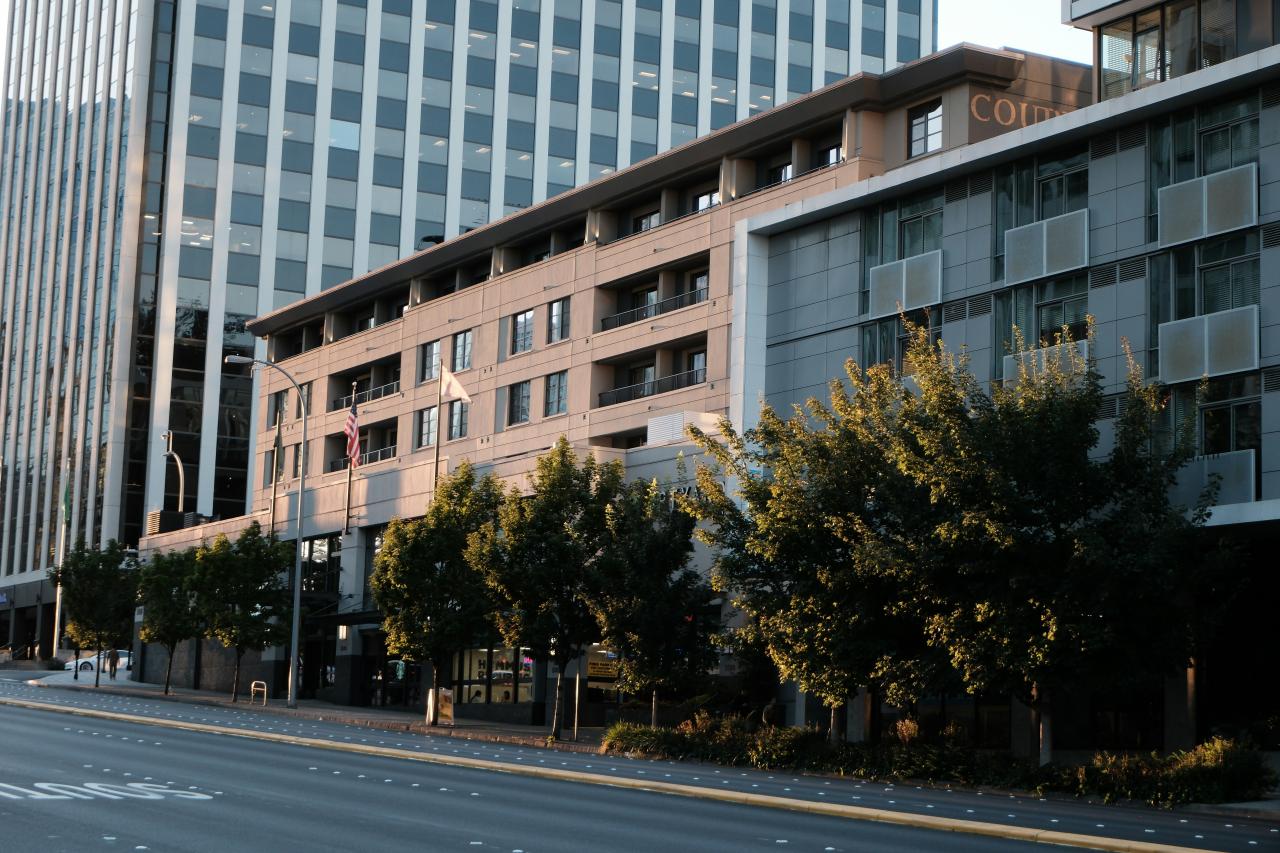
The landscape of commercial real estate development has undergone a massive transformation as urban centers evolve and consumer habits shift toward digital integration. Investing in large-scale property projects is no longer just about brick and mortar; it is about creating functional ecosystems that serve the modern workforce and retail consumer. To achieve significant financial returns in this high-stakes environment, developers must balance architectural vision with rigorous financial modeling.
This process begins with a deep understanding of zoning laws, market demand, and the long-term economic outlook of a specific geographic region. Successful developers often spend months or even years in the pre-construction phase, ensuring that every variable is accounted for before the first stone is laid. Furthermore, the rise of sustainable building practices has shifted the focus from short-term cost-cutting to long-term operational efficiency. By integrating green technology and smart infrastructure, investors can command higher rents and ensure the longevity of their assets. In an era where work-from-home trends are challenging traditional office spaces, flexibility in design has become a primary driver of project viability.
This comprehensive guide will explore the essential pillars of maximizing profitability in commercial development, providing insights into risk management, site selection, and the future of property technology. Whether you are a seasoned investor or a newcomer to the industry, mastering these strategies is the key to unlocking the full potential of your real estate portfolio.
Phase One: Strategic Site Selection and Analysis

The location of a commercial project is the single most important factor in determining its eventual success or failure. Identifying an undervalued area with high growth potential requires both data and intuition.
A. Demographic and Population Growth Research
Look for areas where the population is growing and the average household income is rising. These indicators suggest a future demand for retail services and office space.
B. Proximity to Key Transportation Hubs
Commercial properties thrive when they are easily accessible via highways, public transit, and airports. High visibility and easy access reduce the marketing burden for future tenants.
C. Infrastructure Development and Future Planning
Research upcoming municipal projects like new bridges, schools, or parks. Being the first to develop near a major government-funded project can lead to massive appreciation.
Financial Modeling and Feasibility Studies
Before committing millions of dollars, you must ensure that the numbers work in a variety of economic scenarios. A robust financial model is your best defense against market volatility.
A. Calculating the Net Operating Income (NOI)
Subtract all operating expenses from the total expected revenue. This number provides the foundation for determining the property’s cap rate and overall valuation.
B. Conducting a Sensitivity Analysis
Test your model against rising interest rates or lower-than-expected occupancy. Knowing your “break-even” point allows you to make more confident decisions during the construction phase.
C. Hard Costs vs. Soft Costs Estimation
Hard costs include the actual physical labor and materials, while soft costs cover architectural fees, permits, and legal expenses. Underestimating soft costs is one of the most common mistakes in development.
Navigating Zoning Laws and Regulatory Hurdles
Every city has its own set of rules regarding what can be built and where. Navigating these regulations requires a mix of legal expertise and community diplomacy.
A. Understanding Land Use and Zoning Designations
Determine if your project falls under retail, industrial, or mixed-use zoning. If it doesn’t, you will need to apply for a variance or a rezoning, which can take considerable time.
B. Environmental Impact and Sustainability Compliance
Modern developments must meet strict environmental standards. This includes managing stormwater runoff and ensuring the building meets energy efficiency codes.
C. Community Engagement and Public Hearings
Building rapport with local residents and business owners can prevent costly legal delays. Showing how your project will benefit the neighborhood is key to winning public approval.
Optimizing Architectural Design for Profit
The design of a building should be driven by the needs of its future tenants. A beautiful building that is expensive to maintain will quickly become a financial liability.
A. Maximizing Floor Area Ratio (FAR)
Work with your architect to ensure you are using every square foot of allowable space. Efficiency in layout directly translates to more rentable area and higher revenue.
B. The Importance of Flexible Internal Layouts
Design your spaces so they can be easily reconfigured for different types of tenants. An office space that can be turned into a boutique clinic or a gym offers much better long-term security.
C. Integrating Smart Building Technology
Automated HVAC systems and keyless entry improve the tenant experience while lowering utility costs. These features are becoming standard expectations for high-end commercial clients.
Effective Project Management and Construction
Delays in construction are the fastest way to erode your profit margins. Keeping a project on schedule requires a disciplined approach to management.
A. Selecting the Right General Contractor
Do not just go with the lowest bid. Choose a contractor with a proven track record of finishing commercial projects on time and within budget.
B. Implementing Lean Construction Principles
This approach focuses on reducing waste and improving the flow of materials. It requires tight coordination between all subcontractors and suppliers.
C. Regular Site Audits and Quality Control
Catching a mistake during the framing phase is much cheaper than fixing it once the walls are finished. Constant vigilance ensures the project meets the highest safety standards.
Strategic Leasing and Tenant Selection
The value of a commercial property is largely determined by the quality of its rent roll. You want tenants who are financially stable and bring foot traffic to the area.
A. Targeting “Anchor” Tenants Early
Securing a major grocery store or a well-known brand as a lead tenant makes it much easier to fill the smaller units. These brands act as a magnet for other businesses.
B. Negotiating Triple Net (NNN) Leases
In a NNN lease, the tenant is responsible for property taxes, insurance, and maintenance. This shifts the risk of rising costs from the developer to the tenant.
C. Curating a Complementary Tenant Mix
Choose businesses that benefit from each other’s presence. For example, placing a gym next to a health food store creates a synergy that benefits both tenants.
The Role of Sustainable Development
Sustainability is no longer a luxury; it is a core component of risk management. Green buildings are more resilient to future regulations and energy price hikes.
A. Pursuing LEED or BREEAM Certification
These certifications prove to the market that your building meets high environmental standards. They can lead to lower insurance premiums and higher property values.
B. Utilizing Renewable Energy Sources
Installing solar panels or geothermal heating can drastically reduce the building’s operational costs. In some areas, you can even sell excess power back to the grid.
C. Sustainable Water Management Systems
Greywater recycling and low-flow fixtures reduce the building’s strain on municipal infrastructure. This is particularly important in regions facing water scarcity.
Risk Mitigation in Commercial Real Estate
Every development project comes with risks, from construction accidents to sudden economic shifts. A successful developer is always prepared for the worst-case scenario.
A. Securing Comprehensive Insurance Coverage
Builders’ risk insurance and liability coverage are non-negotiable. This protects your capital in the event of fire, theft, or natural disasters during construction.
B. Managing Interest Rate Volatility
Consider using fixed-rate financing or interest rate swaps to protect yourself from rising costs. This provides the certainty needed for long-term financial planning.
C. Diversifying Your Property Portfolio
Don’t put all your capital into one type of commercial asset. A mix of industrial, retail, and office properties provides a hedge against sector-specific downturns.
Marketing and Brand Identity for New Developments
In a crowded market, your building needs a story that resonates with potential tenants. Marketing should begin long before the construction is finished.
A. Creating High-Quality Digital Renderings
Potential tenants need to see what the finished product will look like. Use VR tours and 3D models to give them a “feel” for the space before it exists.
B. Building a Professional Project Website
Your website should serve as the central hub for all project information, including floor plans and contact details. This is often the first point of contact for high-value clients.
C. Leveraging Local Media and PR
Get your project featured in local business journals and newspapers. This builds credibility and alerts the community that a major new asset is coming to the area.
Leveraging Property Technology (PropTech)
Technology is changing how we manage and value real estate. Staying ahead of these trends can provide a significant competitive advantage.
A. Using Big Data for Market Forecasting
Analyze massive datasets to predict where the next hot neighborhood will be. This allows you to acquire land before prices skyrocket.
B. Implementing Building Information Modeling (BIM)
BIM software allows architects and engineers to collaborate in a single 3D environment. This reduces errors and ensures that all components of the building fit together perfectly.
C. Blockchain for Transparent Transactions
Blockchain can be used to track the chain of title and manage smart contracts for leases. This reduces the need for expensive intermediaries and speeds up the closing process.
The Importance of Exit Strategy Planning
Knowing when to sell is just as important as knowing when to buy. Your exit strategy should be defined before you even start the project.
A. Selling to Institutional Investors
Large pension funds and REITs are always looking for stabilized, high-quality commercial assets. These buyers provide a reliable exit for developers looking to move on to the next project.
B. Refinancing to Pull Equity Out
If you don’t want to sell, you can refinance the property once it is fully leased. This allows you to get your initial capital back while still maintaining ownership of the asset.
C. The Benefits of a 1031 Exchange
This tax strategy allows you to defer capital gains taxes by reinvesting the proceeds into a “like-kind” property. It is a powerful tool for compounding wealth over a lifetime.
Managing the Lifecycle of the Asset
Once the building is finished, the focus shifts to asset management. Keeping the building in top condition ensures that its value continues to grow.
A. Implementing a Preventative Maintenance Schedule
Fixing a roof before it leaks is much cheaper than dealing with water damage later. Regular inspections save money and keep tenants happy.
B. Monitoring Tenant Satisfaction and Retention
High tenant turnover is a silent killer of profits. Regularly communicating with your tenants helps you identify issues before they decide to move out.
C. Continuous Capital Improvements
Update common areas and technology every few years to keep the building competitive. A property that looks “dated” will quickly lose its appeal to premium tenants.
Conclusion

Maximizing returns on commercial property development requires a blend of strategy and discipline. The most successful projects are those that prioritize site selection and rigorous financial modeling. Zoning and regulation are challenges that must be navigated with patience and professional expertise. Designing for flexibility ensures that your building remains relevant across multiple economic cycles. Sustainability is the key to reducing operational costs and future proofing your real estate assets.
A disciplined construction process is essential for protecting your profit margins from costly delays. Strategic leasing to high-quality tenants creates a stable and predictable stream of revenue. Technology is becoming an indispensable tool for every stage of the development lifecycle. Risk management should be integrated into every decision you make from day one. Marketing your project effectively helps you secure tenants and build a strong brand reputation.
Exit strategies must be clearly defined to ensure you can capture the maximum value of your work. Ongoing asset management is required to preserve the quality and desirability of the property. The commercial real estate market is constantly evolving in response to new cultural and tech shifts. Patience is a virtue in development as the largest returns often take years to materialize. Professionalism in every interaction builds the trust needed for long-term industry success. Start your journey toward market dominance by identifying a unique opportunity in your local region.

