

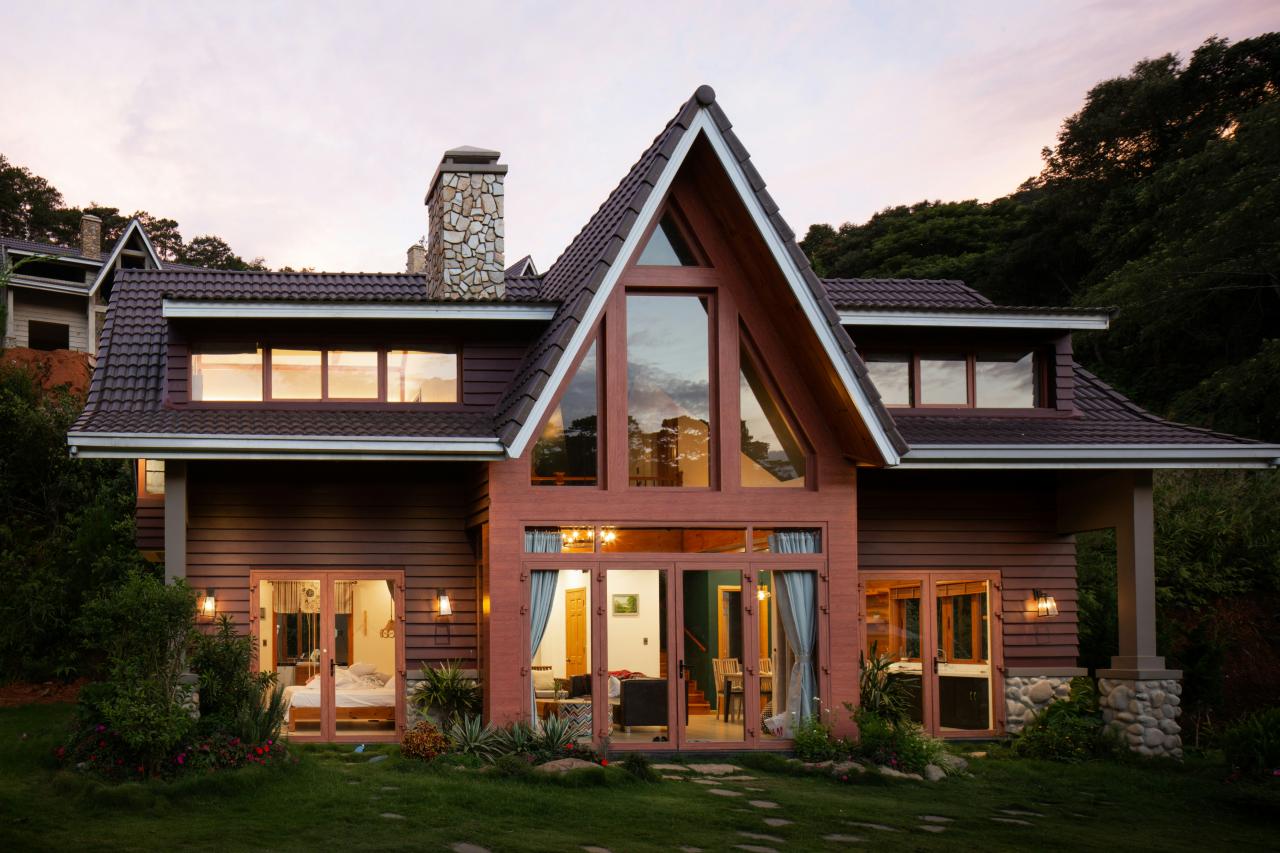
The way we design and build our living spaces is currently undergoing a massive shift toward long-term durability and environmental harmony. For many decades, the construction industry focused mostly on speed and low initial costs rather than how a building would perform over many years.
We are now entering an era where homeowners prioritize resilient design to protect their families from unpredictable weather and rising energy costs. This evolution allows you to create a sanctuary that remains comfortable and safe even when the outside world faces a major crisis.
Modern architecture now integrates smart technology with ancient building wisdom to achieve a balance of beauty and extreme functional strength. Choosing the right materials and structural layout today ensures that your property value continues to grow as the climate changes.
This article explores the core pillars of future-proofing your home so you can enjoy total peace of mind for the rest of your life. We will dive into the practical steps that turn a standard house into a high-performance fortress of sustainable luxury.
Technology is finally allowing us to build homes that produce more energy than they consume while resisting natural disasters with ease. From solar-integrated roofs to advanced rainwater harvesting systems, the tools for creating a truly independent home are now more accessible than ever.
You do not need a massive budget to start making your property more resilient if you know which upgrades offer the highest return on investment. This guide breaks down the complex concepts of green engineering into simple and actionable ideas that any homeowner can implement.
We will show you how to identify the weak points in your current structure that might lead to expensive repairs in the future. You will discover why the “bones” of your building are often more important than the expensive finishes you see on the surface.
The goal is to build a home that works for you, providing comfort and security without requiring a constant stream of expensive maintenance. Join us as we decode the secrets of resilient architecture and help you master the art of building for the next century.
Utilizing Advanced Sustainable Building Materials

The choice of materials determines how your home reacts to extreme heat, heavy moisture, and the passing of time itself. In the past, builders relied heavily on traditional wood and concrete that often required frequent chemical treatments to stay in good shape.
Today, we have access to high-tech options like cross-laminated timber, recycled steel, and hempcrete which offer superior insulation and structural integrity. These materials not only reduce the carbon footprint of your home but also create a much healthier indoor air quality for your children.
Investing in premium materials at the start prevents the “rotting” or “cracking” issues that plague many cheap and fast construction projects.
A. Using high-thermal mass materials like stone or earth to naturally regulate your indoor temperature without air conditioning.
B. Installing impact-resistant glass and reinforced doors to protect your interior from high winds and potential intruders.
C. Selecting fire-resistant siding and roofing materials to create a protective barrier against external heat sources.
D. Choosing non-toxic and low-VOC paints to ensure your family breathes clean and safe air every single day.
Many homeowners feel that sustainable materials are too expensive compared to the standard options at the local hardware store. You can solve this “cost barrier” by looking at the lifecycle savings on your energy bills and insurance premiums over the next ten years.
A house that stays cool on its own saves you thousands of dollars that you would otherwise spend on electricity for your cooling system. Think of your building materials as a long-term insurance policy that pays you back every single month through lower operating costs.
Designing For Energy Independence And Passive Solar
Energy independence is the ultimate goal of a resilient home, allowing you to stay powered up even during a major grid failure. Passive solar design uses the position of the sun to heat your home in the winter and keep it shaded and cool in the summer.
By placing your windows strategically and using wide roof overhangs, you can control the light and heat that enters your living space naturally.
Integrating solar panels with a modern battery backup system ensures that your lights stay on and your food stays cold during a storm. This proactive approach to energy removes your dependence on old and unreliable utility companies while putting money back in your pocket.
A. Positioning the largest windows toward the sun to capture natural warmth during the colder months of the year.
B. Using thermal curtains and high-performance insulation to keep your expensive heated or cooled air inside the home.
C. Installing a smart solar battery system that stores excess power for use during the night or an emergency.
D. Optimizing your roof pitch and orientation to maximize the efficiency of your solar energy collection system.
You might worry that a passive solar home requires a “weird” or “futuristic” look that doesn’t fit into your local neighborhood style. You solve this “aesthetic fear” by realizing that smart design can be hidden within almost any architectural style, from traditional to ultra-modern.
Most energy-saving features like insulation and high-performance windows are completely invisible once the construction process is finished and the paint is dry. You can have a home that looks classic on the outside while running on the most advanced green technology on the inside.
Integrating Water Security And Waste Management
Water is our most precious resource, and a truly resilient home should be able to capture, filter, and reuse it effectively. Rainwater harvesting systems allow you to collect water from your roof for gardening, cleaning, and even flushing your toilets during a drought.
You can also implement “greywater” systems that take the water from your shower and sink to irrigate your backyard landscape automatically. This reduces your monthly water bill while ensuring that your garden stays green and healthy even when the local city water is restricted.
Managing your waste through high-end composting systems also turns your kitchen scraps into rich soil for a productive home food forest.
A. Installing a large underground cistern to store thousands of gallons of clean rainwater for long-term use.
B. Using permeable paving for your driveway to allow rainwater to soak into the ground instead of flooding the street.
C. Setting up a dual-plumbing system that separates clean drinking water from recycled water for your household tasks.
D. Planting native and drought-resistant trees that require very little extra water once they are fully established.
The problem with water systems is that they often feel “too technical” for the average homeowner to manage or maintain properly. You solve this “complexity gap” by choosing automated filtration systems that alert your phone when it is time to change a filter or check a valve.
Modern technology makes water security as easy as checking your email, allowing you to focus on your life while the system handles the hard work. Having your own water source is a massive boost to your property’s value and your personal sense of security.
Structural Integrity Against Natural Disasters
As the world experiences more extreme weather, the structural integrity of your home becomes a matter of physical safety and survival. Resilient design uses reinforced foundations and “continuous load paths” to ensure that your roof stays attached to your walls during a high-wind event.
In seismic zones, using flexible materials and base isolation techniques prevents your home from collapsing during a sudden and violent earthquake.
You can also build your home on an elevated platform to protect it from rising floodwaters if you live near a river or a coast. These engineering choices might seem invisible, but they are the difference between a house that stands and a house that fails.
A. Bolting the sill plate of your walls directly to the concrete foundation to prevent the house from sliding during a shake.
B. Using metal hurricane ties to secure every single roof rafter to the top of your exterior walls.
C. Choosing a hip-roof design with four sloping sides to naturally deflect the pressure of high-speed winds.
D. Implementing a “rainscreen” system behind your siding to prevent moisture from ever reaching your structural framing.
Many people find it difficult to invest in “hidden” structural features that don’t add any immediate visual beauty to their new home. You solve this “visibility bias” by understanding that a disaster-proof home is much easier and cheaper to insure than a standard one.
Many insurance companies offer lower rates for homes that meet high-resiliency standards because they know the house is much less likely to be destroyed. Protecting your family and your investment is the highest form of luxury that any home can offer in the modern world.
Conclusion

Future homes represent a significant breakthrough in architectural resilience, replacing outdated wooden structures with innovative smart materials and sustainable designs that prioritize long-term durability.
By integrating sun-tracking technology and rainwater harvesting systems into your home’s digital flow, you can effectively eliminate utility stress and environmental risks while benefiting from lower costs and increased efficiency.
Taking immediate action to adopt these resilient building plans allows you to reclaim your time, grow your personal wealth, and secure a safer future through superior engineering and luxury green innovation.
The path to a successful and high-performance lifestyle is clear when you use sustainable technology as your primary tool to fuel personal growth and ultimate freedom.

