
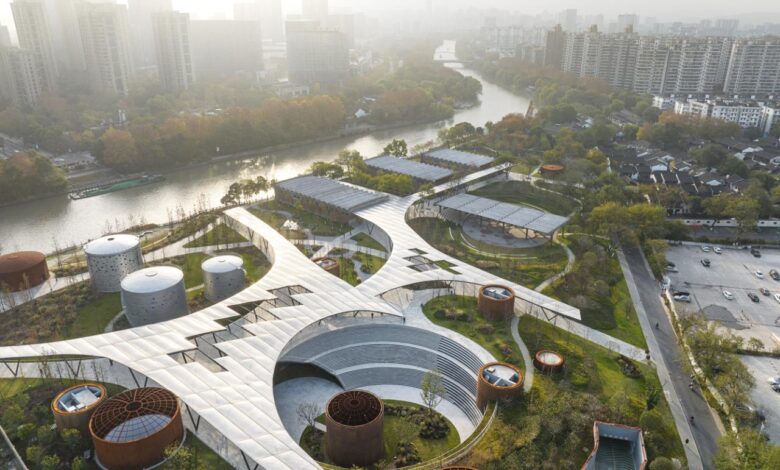
The trajectory of urban development in major cities around the world is undergoing a crucial and ongoing transformation. The era of relentless demolition and monolithic new construction is giving way to a smarter, culturally rich, and environmentally conscious strategy: Adaptive Reuse. This practice involves transforming existing, often historically significant, buildings into spaces for new uses—transforming old factories into modern lofts, abandoned power plants into cultural centers, or outdated office towers into vibrant residential units.
Adaptive reuse is no longer a niche architectural solution; it has become the strategic backbone for rejuvenating urban cores, addressing critical issues of housing shortages, environmental sustainability, and preserving irreplaceable architectural heritage. By preserving the embodied energy and cultural narratives of existing structures, cities are setting new global benchmarks for resilient and authentic urban regeneration.
This in-depth analysis will dissect the economic, environmental, and sociological factors driving the rapid adoption of adaptive reuse, explore the cutting-edge architectural and engineering techniques that make the conversion of complex structures possible, examine the complex regulatory and financial mechanisms required to incentivize these projects, detail successful case studies that illustrate the transformative power of the practice, and foresee a future in which the most desirable and sustainable real estate is inherently tied to the reuse of existing urban structures.
Strategic Imperative: Why Adaptive Reuse Dominates
The shift toward adaptive reuse is not simply an aesthetic choice; it is a necessity driven by economic viability, environmental mandates, and social demands for authenticity.
1. Environmental Mandate: Embodied Carbon
The most compelling argument for adaptive reuse lies in its unmatched sustainability metrics, which set new records in construction.
- Conserving Embodied Energy: Demolition and new construction generate substantial Embodied Carbon emissions—the greenhouse gas emissions associated with material extraction, manufacturing, transportation, and construction. Structural reuse can retain up to 75-90% of this embodied energy, making it one of the most sustainable building options possible.
-
Minimizing Construction Waste: New construction generates massive amounts of Construction and Demolition (C&D) waste. Adaptive reuse significantly reduces the volume of material sent to landfills, transforming what would be waste (the building shell) into the most valuable asset.
-
Thermal Performance Upgrades: The process mandates the replacement of outdated MEP systems with modern, highly efficient insulation and HVAC, leading to dramatic reductions in a building’s operational carbon footprint over its extended life.
-
2. Economic and Financial Drivers
Adaptive reuse offers superior financial resilience and often faster returns compared to ground-up development.
-
Accelerated Time to Market: Conversion projects often face fewer permitting delays than new construction, and the core shell is already built. This significantly shortens the construction timeline, allowing developers to bring units or commercial spaces to market faster, maximizing Return on Investment (ROI).
-
Cost Efficiency and Uniqueness: While specialist labor can be expensive, the fundamental cost of pouring foundations and erecting a primary structure is avoided. Furthermore, the unique character (high ceilings, massive windows, exposed structures) of converted buildings commands a prestige price premium over standardized new construction.
-
Tax Incentives and Financing: Many jurisdictions offer significant historic preservation tax credits, grants, and zoning bonuses to offset the specialized complexities of adaptive reuse, making the total project cost highly competitive with, or even lower than, equivalent new construction.
Architectural and Engineering Solutions
Converting structurally and mechanically complex historic buildings (like silos, power plants, or factories) into habitable, compliant modern spaces requires pioneering engineering and design ingenuity.
1. Structural and Seismic Innovation
Modern structural engineering must integrate 21st-century safety into 19th-century frameworks.
-
Core Strengthening and Shear Walls: Historic industrial buildings, often lacking modern seismic bracing, require the strategic and often hidden introduction of new shear walls or reinforced concrete cores. These additions must be executed with precision to avoid overloading the original foundation.
-
Vibration and Load Management: Converting a heavy industrial floor plate to a lighter residential load often requires reinforcement. Conversely, adaptive reuse projects must account for new vibrations (e.g., from modern gyms or entertainment spaces) that the original structure was not designed for, often utilizing specialized vibration dampening materials.
-
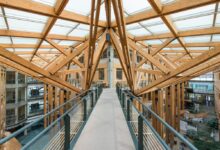
Introducing Natural Light: Many historic factory and warehouse buildings have deep floor plates and limited window space. Architects must strategically cut new atria, light wells, and skylights into the roof and center of the building to bring natural light and ventilation to the core, adhering to modern health and safety standards.
2. Integrating Advanced Building Systems
The most difficult challenge is invisibly integrating modern mechanical, electrical, and plumbing (MEP) systems into exposed historic fabric.
-
Variable Refrigerant Flow (VRF) Systems: VRF technology is favored because its modular, compact components require less large ductwork than traditional HVAC. This allows systems to be discreetly concealed in minimal ceiling space, preserving the character of high, open ceilings.
-
Vertical Circulation Solutions: Installing modern elevators and stairwells often requires carving into the existing structure. Architects typically use glass-backed elevators or expressive modern staircases placed in historically non-significant areas (like former loading docks or industrial shafts) to clearly separate the old from the new.
-
Acoustic Separation: Converting a loud, open industrial space into quiet, individual residential units requires innovative acoustic solutions. This often involves creating “box-within-a-box” floating floor and wall assemblies within the historic shell to prevent sound transmission while retaining the building’s original appearance.
Sociological and Cultural Impact
Adaptive reuse is fundamentally reshaping the social landscape of the urban core, creating more diverse, authentic, and pedestrian-friendly neighborhoods.
1. Enhancing Urban Authenticity and Narrative
Retaining historic structures preserves the collective memory and cultural identity of the city, which is increasingly valued by residents and tourists alike.
-
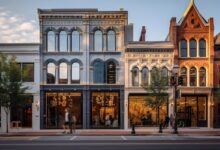
Preserving Architectural Character: The process ensures that the city retains its unique architectural “fingerprint” rather than becoming homogenous with glass and steel towers. This character drives tourism, film production, and local pride.
-
Creating Mixed-Use Vibrancy: Adaptive reuse projects often convert single-use industrial or office buildings into vibrant mixed-use facilities (residential, retail, office, cultural), creating active, 18-hour neighborhoods that are less reliant on single commuter flows.
-
“Cooling” Effect on Gentrification: By creating diverse housing and workspace options in previously underserved urban pockets, adaptive reuse can sometimes initiate regeneration without the total displacement associated with mass demolition and luxury new development, fostering socio-economic diversity.
2. Addressing Housing Shortages
Adaptive reuse offers a fast, impactful solution to the critical shortage of affordable and market-rate housing in dense urban centers.
-
Converting Obsolete Office Stock: The pandemic accelerated the obsolescence of older, non-Class A office buildings. Adaptive reuse allows these towers to be converted into residential units, a rapid method of adding significant housing stock to the downtown core without expanding the city footprint.
-
Residential Conversion Challenges: This conversion is complex, primarily due to the deep floor plates of office towers, which are ill-suited for residential window and light requirements. Solutions involve creating interior light wells or carving out spaces for high-rise courtyards.
-
Density and Zoning Benefits: Cities often adjust zoning laws (density bonuses, parking exemptions) to prioritize adaptive reuse projects for housing, recognizing its superior speed and sustainability over traditional development pipelines.
 Case Study Metrics and Global Benchmarks
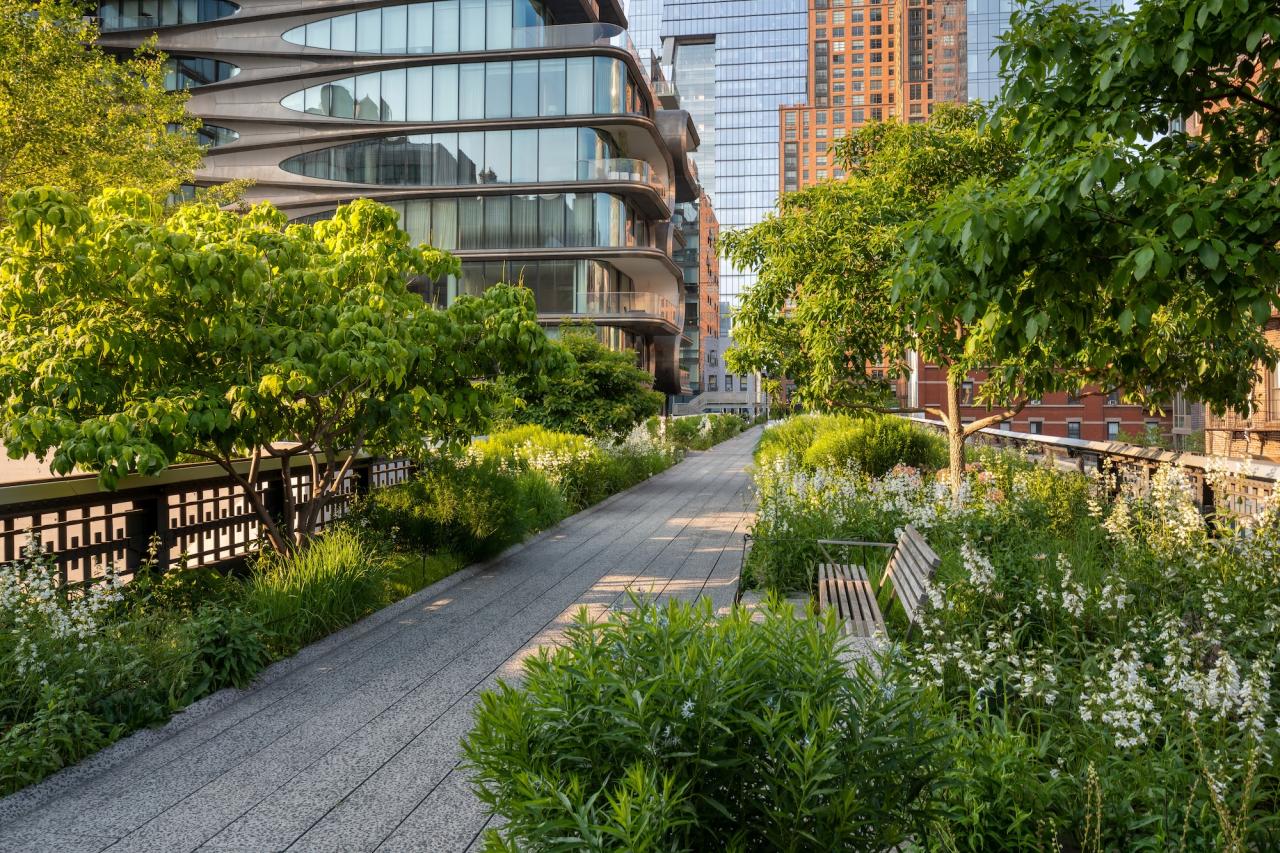
Successful adaptive reuse projects around the world are setting quantifiable metrics for economic and environmental success, serving as blueprints for future urban regeneration.
1. Financial Performance Benchmarks
Successful projects demonstrate financial viability and higher returns than local market averages.
-
Higher Rental Yields and Occupancy: Adaptive reuse residential properties often report higher long-term occupancy rates and rental yields compared to new builds, attributed to the unique architectural character and central location.
-
Reduced Operating Costs: The integration of modern, efficient systems into the preserved shell leads to significantly lower energy costs, which translates directly to reduced operating expenses and a more attractive long-term asset value.
-
Rapid Value Appreciation: Properties that successfully blend historic authenticity with modern functionality tend to experience rapid and durable capital value appreciation, attracting stable institutional investment.
2. Cultural and Environmental Success Metrics
These projects are also measured by their qualitative and ecological success.
-
Awards and Recognition: The frequency of adaptive reuse projects winning major architectural and urban planning awards (e.g., Pritzker, Aga Khan Awards) is setting a record, indicating professional recognition of the cultural value and design complexity involved.
-
Foot Traffic and Community Engagement: Projects are measured by the increase in local pedestrian traffic, the utilization of public spaces created within the new development, and the growth of ancillary local businesses following the conversion.
-
Verified Sustainability Certification: Projects are achieving and setting records for the highest levels of sustainability certification (e.g., LEED Platinum, BREEAM Outstanding) based on their minimized environmental impact, reinforcing their green credentials.
Future Trajectory: The Intelligent Adaptive City
The future of the urban core will be defined by an even more sophisticated, data-driven, and scalable approach to adaptive reuse.
1. Digital Tools and Data-Driven Preservation
Technology will make the complex process of conversion faster, cheaper, and more precise.
-
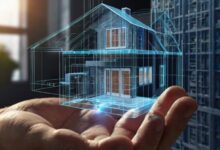
LiDAR Scanning and Digital Twins: Detailed LiDAR scanning and the creation of Building Information Modeling (BIM) Digital Twins of historic structures are becoming standard practice. These models allow engineers to test structural interventions and MEP routes virtually, minimizing costly and destructive exploratory work on-site.
-
AI-Powered Material Analysis: Advanced AI and drone technology will be used for rapid, non-invasive analysis of historical materials, helping conservators quickly identify degradation, structural flaws, and optimal repair methodologies.
-
Predictive Maintenance: New systems will integrate AI for predictive maintenance, continuously monitoring the health and performance of the historic building shell and its new systems, maximizing longevity and minimizing unexpected repair costs.
2. Scalability and Specialized Focus
Adaptive reuse will scale from individual projects to comprehensive, neighborhood-level strategies.
-
Specialization in Obsolete Structures: New architectural and engineering firms will specialize exclusively in specific challenging conversions, such as turning massive parking garages (made obsolete by autonomous vehicles) into mixed-use facilities or converting mid-century malls into residential complexes.
-
Modular and Reversible Interventions: Future conversions will prioritize modular, factory-built interior components that can be rapidly installed within the historic shell and are easily disassembled, allowing for future use changes without damage.
-
Circular Economy Integration: Adaptive reuse will fully integrate with the circular economy, with materials removed during conversion (e.g., old wiring, floorboards, window frames) being systematically logged and channeled for reuse in other local construction projects.
Conclusion
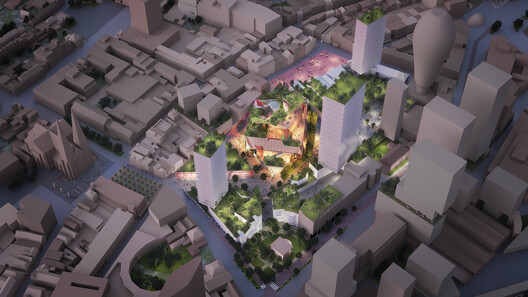
Adaptive reuse has proven to be the most vital strategy for reshaping and rejuvenating the global urban core. It represents a significant paradigm shift that transcends fleeting architectural trends, driven by the undeniable economic benefits of speed and high-value returns, as well as a profound environmental mandate to conserve embodied carbon.
By transforming outdated structures into highly desirable and technologically advanced residential and commercial spaces, cities preserve their irreplaceable cultural identities while aggressively addressing modern demands for sustainability and residential density. The most resilient, dynamic, and authentic cities of the 21st century will be those that master the art of looking to the past to build a sustainable future.

