
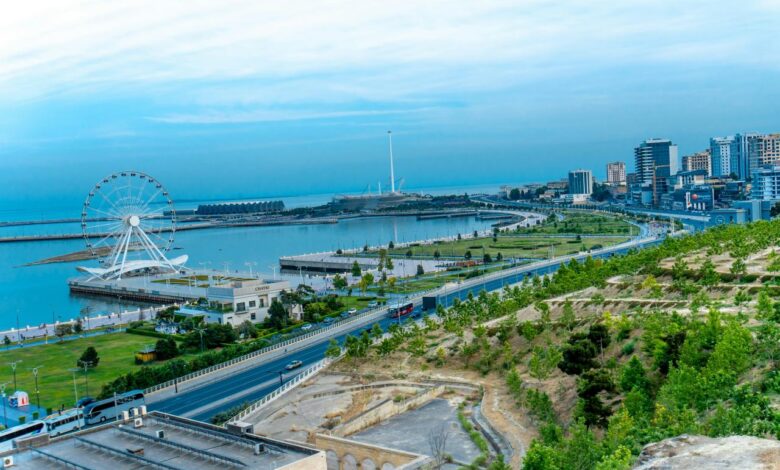
The rapid evolution of urban environments demands a radical shift in how we approach the concept of city planning and architectural design. Traditional methods of drafting and zoning are increasingly struggling to keep pace with the complex challenges of overpopulation, climate change, and resource scarcity.
We are now entering a transformative era where generative artificial intelligence serves as the primary engine for creating high-performance, sustainable urban landscapes. This technology allows architects and urban planners to simulate millions of design permutations in a fraction of the time it once took to create a single blueprint. By inputting specific environmental constraints and social goals, AI algorithms can “grow” building shapes and street layouts that maximize natural light and airflow.
This proactive approach to design ensures that new developments are not just aesthetically pleasing but also biologically and mechanically efficient. As our global population centers continue to expand, the integration of intelligent software becomes essential for maintaining a high quality of life while reducing our total carbon footprint.
This guide explores the cutting-edge intersection of machine learning and urban ecology, providing a comprehensive look at how digital tools are building the resilient cities of tomorrow. We are moving beyond the era of static structures toward a future where our buildings are as dynamic and adaptive as the natural world itself.
The Evolution of Generative Design in Urban Planning
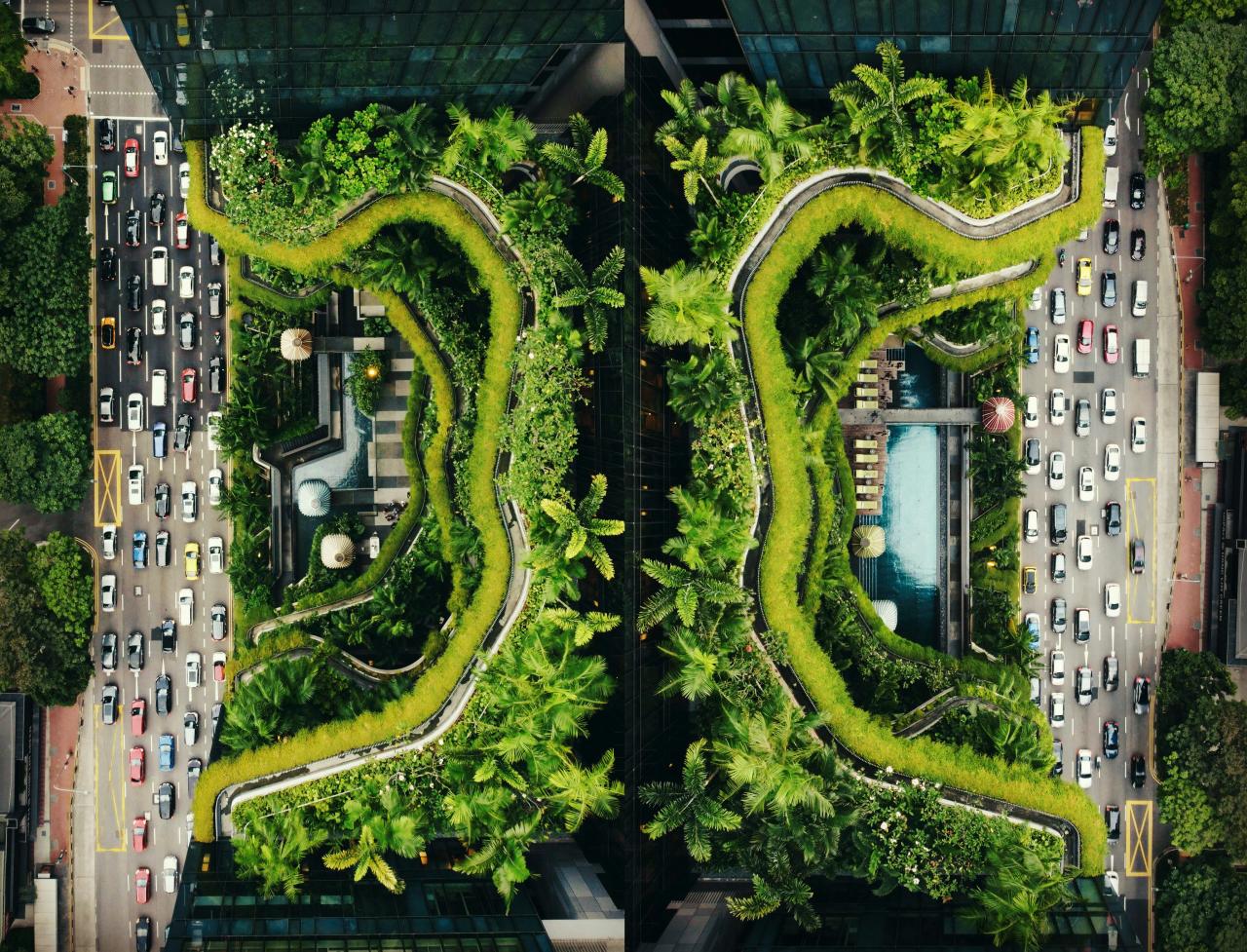
Generative design is a process that uses algorithms to explore all possible solutions to a specific architectural problem.
Instead of a human drawing a single vision, the designer defines the goals and the AI generates the most efficient forms.

A. Algorithmic Iteration and Optimization
The AI can test thousands of different building orientations to find the one that minimizes solar heat gain in the summer.
By optimizing these shapes, we can drastically reduce the energy required for air conditioning in dense urban centers.
This allows for the creation of “passive” structures that maintain comfortable temperatures with minimal mechanical help.
B. Data-Driven Site Analysis
Generative tools can process massive datasets involving local wind patterns, pedestrian traffic, and historical weather data.
Planners use this information to create street layouts that naturally reduce wind tunnels and improve the walking experience.
The result is a city that feels more intuitive and comfortable for the people who actually live there every day.
C. Integration of Bio-Mimetic Principles
Many AI models are trained on the growth patterns found in nature, such as coral reefs or fungal networks.
Architects use these patterns to design structural supports that are incredibly strong yet use forty percent less material.
This reduction in raw materials like concrete and steel is a major win for the global environment and construction budgets.
Enhancing Resource Efficiency Through Machine Learning
A sustainable city must be a closed-loop system where energy and water are managed with extreme precision.
Artificial intelligence provides the “brain” needed to coordinate these complex resource networks in real-time.
A. Smart Grid Integration and Energy Sharing
AI algorithms can predict when a neighborhood will hit peak energy demand and shift power from solar-heavy areas to meet it.
This balancing act prevents blackouts and ensures that renewable energy is never wasted during low-demand hours.
Buildings become active participants in the energy market rather than just passive consumers of grid power.
B. Automated Water Management and Recycling
Generative AI can design complex greywater recycling systems that are integrated directly into the building’s facade.
Sensors monitor moisture levels in urban vertical farms and adjust irrigation to prevent any water from being lost to runoff.
In water-scarce regions, this level of precision is the difference between a thriving city and a ghost town.
C. Waste Reduction and Circular Economy Logistics
Machine learning helps cities track the lifecycle of every material used in a new construction project.
This data ensures that when a building is eventually renovated, the materials can be easily sorted and reused elsewhere.
The goal is to eliminate the concept of “waste” in urban development by keeping all resources in a continuous cycle.
Revolutionizing Urban Mobility and Accessibility
The way we move through a city defines our daily experience and our total environmental impact.
AI is being used to design transportation networks that prioritize people and efficiency over fossil-fuel vehicles.
A. Dynamic Public Transit Routing
Generative AI can analyze real-time movement data to create bus and rail routes that change based on actual demand.
This eliminates “ghost buses” that run empty and ensures that underserved neighborhoods have reliable access to jobs.
By making public transit more efficient than driving, we can naturally clear the air of harmful emissions.
B. Designing Walkable and Bike-Friendly Corridors
Software can simulate the movements of thousands of virtual pedestrians to identify the safest and most efficient walkway designs.
Planners use these simulations to create “15-minute cities” where every essential service is within a short walk or ride.
Reducing our reliance on cars is the single fastest way to improve the public health of an urban population.
C. Autonomous Logistics and Last-Mile Delivery
AI is designing the “underground” or “sidewalk-level” infrastructure needed for small delivery robots to move without traffic.
This keeps large delivery trucks off the streets, reducing congestion and the wear and tear on our road systems.
A quieter and safer street level makes the city much more attractive for families and small businesses alike.
Adapting to Climate Change with Resilient Architecture
Our cities must be able to withstand the increasingly frequent and severe weather events of the modern world.
Generative AI allows us to build “climate-proof” infrastructure that can survive and recover from disasters quickly.
A. Flood Mitigation and Sponge City Design
AI can model the path of water during a record-breaking storm to design parks and plazas that double as reservoirs.
These “sponge” areas absorb excess water and release it slowly, preventing catastrophic flooding in the surrounding buildings.
Integrating nature back into the concrete jungle provides a vital buffer against the unpredictability of the elements.
B. Heat Island Reduction Strategies
Generative models help determine the best locations for urban forests and “green roofs” to cool the city surface.
By strategically placing trees and reflecting surfaces, we can lower the local temperature by several degrees during heatwaves.
This saves lives and reduces the massive energy strain caused by urban heat island effects in tropical climates.
C. Dynamic Facades and Adaptive Building Skins
AI-designed building envelopes can physically open and close in response to the movement of the sun throughout the day.
These “living” skins protect the interior from harsh UV rays while allowing in natural light when the air is cool.
Buildings that can change their shape based on the weather are the ultimate evolution of sustainable architecture.
The Social Impact of Intelligent Urban Design
Technology is a tool, but the ultimate goal of any city is to serve the diverse needs of its human inhabitants.
AI helps planners create inclusive spaces that foster a sense of community and improve mental well-being for all.
A. Optimizing Public Space for Social Interaction
Generative tools can arrange benches, plazas, and parks to maximize the chances of neighbors meeting and talking.
Data shows that social connectivity is a major factor in the long-term health and happiness of urban residents.
AI ensures that public land is used for the greatest social benefit rather than just being left as empty “dead zones.”
B. Affordable Housing Through Modular Construction
Generative AI can design standardized modular units that are cheap to produce but can be arranged in unique ways.
This allows for the rapid construction of high-quality affordable housing that does not look like a repetitive “cookie-cutter” project.
Solving the housing crisis requires this level of speed and creative flexibility in the design phase.
C. Improving Air Quality and Public Health
By modeling the flow of pollutants, AI can suggest where to place air-purifying “biotech” towers and vegetation walls.
Cleaner air directly leads to lower rates of asthma and heart disease among the city’s most vulnerable populations.
A healthy city is a productive city, and technology is the key to creating a truly “wellness-focused” environment.
The Economic Benefits of AI-Driven Development
While the software itself is an investment, the long-term economic gains from smart urban design are astronomical.
Sustainable cities are more attractive to global talent and high-value businesses looking for a stable environment.
A. Lowering Long-Term Maintenance Costs
AI can predict when a bridge or a pipe is about to fail, allowing for “preventative” repairs that are much cheaper.
Buildings designed for efficiency also have much lower operating costs, increasing the profit margins for the owners.
Predictability in infrastructure leads to a more stable and growing local economy for everyone.
B. Attracting High-Value Green Investments
Investors are increasingly looking for “ESG-compliant” projects that prove they are helping the environment.
Using generative AI provides the data-backed evidence that a new development is truly sustainable and future-proof.
This opens up new streams of capital that are unavailable to traditional, less-efficient construction projects.
C. Job Creation in the Tech and Design Sectors
The shift toward intelligent cities creates a massive demand for software developers, data scientists, and green architects.
These high-paying jobs revitalize the local economy and ensure that the city remains a hub for global innovation.
Modernizing our infrastructure is the best way to ensure the long-term economic relevance of a metropolitan area.
Conclusion
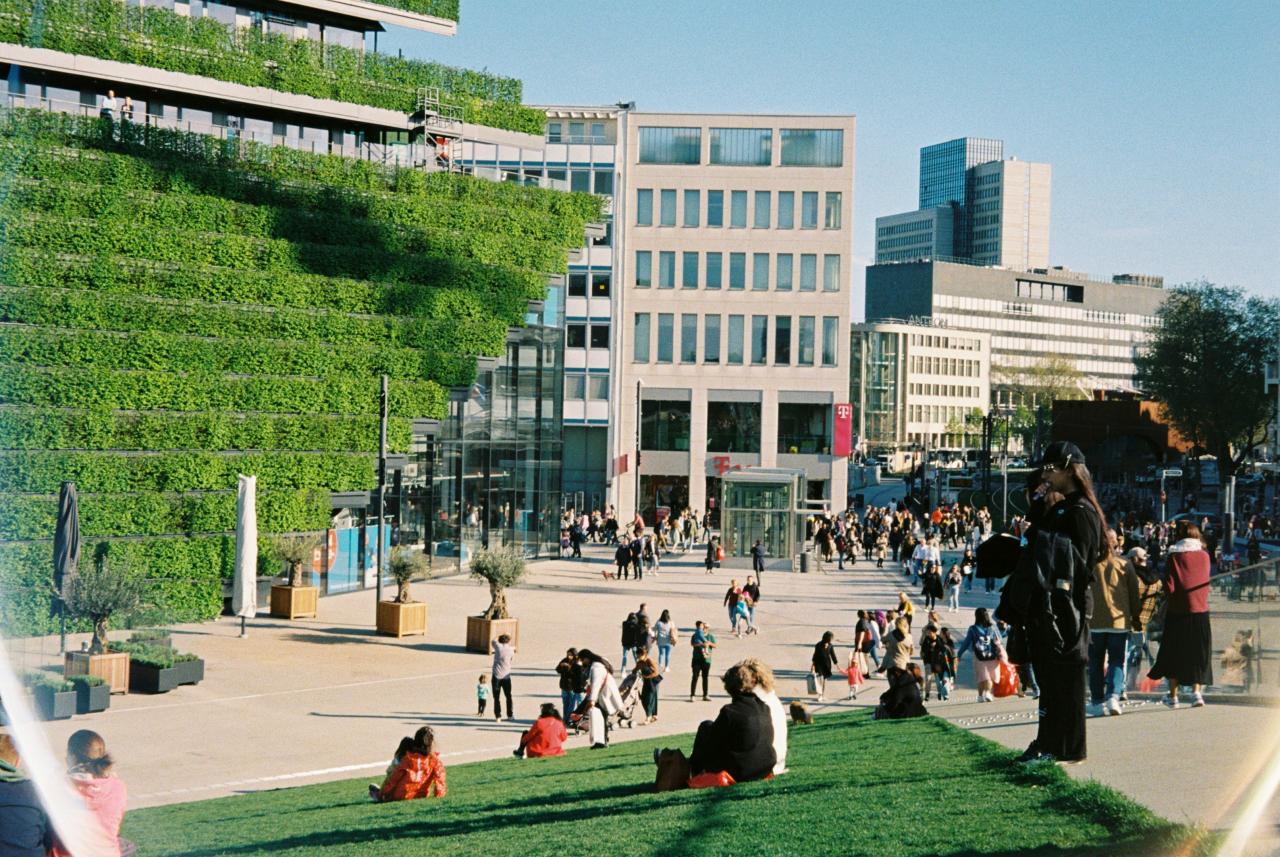
Designing sustainable cities with generative AI is the most effective way to secure our urban future. The integration of artificial intelligence allows architects to move beyond the limitations of human imagination alone. Data-driven urban planning ensures that every building contributes to the overall health of the local ecosystem. Resource efficiency is no longer a luxury but a core requirement for any modern city to thrive.
Generative design reduces the waste of raw materials while increasing the strength and beauty of our structures. Urban mobility is being transformed to prioritize people and clean energy over outdated fossil-fuel systems. Climate resilience is built into the very foundation of our cities through advanced simulation and modeling. Technology helps create inclusive spaces that foster social connectivity and improve the human experience.
Affordable housing can be scaled rapidly without sacrificing quality or architectural diversity. The economic benefits of intelligent cities provide a clear return on investment for both the public and private sectors. We must embrace these digital tools to solve the complex challenges of the modern global population. Sustainability is a collaborative effort between human designers and powerful machine learning algorithms.
The future of architecture is not just about the buildings themselves but how they interact with the world around them. A truly smart city is one that learns from its inhabitants and adapts to their changing needs in real-time. Investing in generative AI today will pay dividends for many generations of city dwellers to come. Start exploring the potential of intelligent design to transform your local community into a sustainable masterpiece.

