
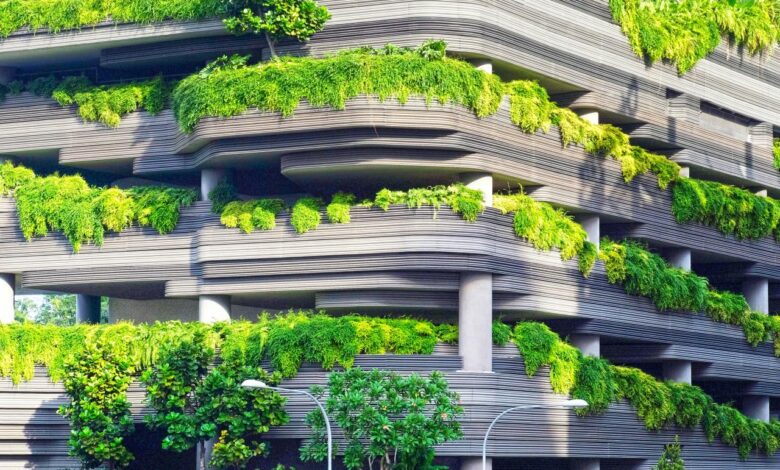
The global conversation surrounding environmental conservation has shifted from a distant concern to an immediate lifestyle priority for millions of homeowners in 2026. Sustainable and eco-friendly living is no longer just about recycling plastic bottles or turning off the lights when you leave a room. It has evolved into a comprehensive philosophy of home design that integrates advanced technology, ancient architectural wisdom, and mindful consumption habits.
Modern homeowners are increasingly seeking ways to reduce their carbon footprint while simultaneously lowering their utility costs and improving their overall quality of life. From the materials used in the foundation of a house to the way the air circulates through the living room, every detail is being reimagined through a “green” lens. This movement toward ecological responsibility is being driven by both a genuine care for the planet and the economic reality of rising energy prices.
We are entering an era where a truly “luxury” home is defined by its self-sufficiency and its ability to exist in harmony with the natural world rather than in opposition to it. This article will provide an exhaustive guide on how to transform your living space into a sustainable sanctuary, exploring everything from biophilic aesthetics to high-tech energy solutions.
A. The Foundations of Biophilic Design
Biophilic design is the practice of connecting people and nature within our built environments. It is based on the idea that humans have an innate biological connection to the natural world.
By incorporating natural light, vegetation, and organic textures, we can create spaces that reduce stress and improve mental clarity. This isn’t just about placing a few potted plants; it’s about making nature the center of the architectural experience.
A. Large floor-to-ceiling windows maximize the use of natural sunlight, reducing the need for artificial lighting during the day.
B. Living walls or vertical gardens act as natural air purifiers, filtering out toxins while adding visual beauty to the interior.




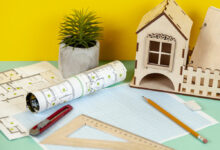
C. The use of natural materials like FSC-certified wood, stone, and cork creates a tactile connection to the Earth.
D. Water features, such as indoor fountains, provide acoustic comfort and help regulate humidity levels naturally.
E. Open-air courtyards allow for natural ventilation, reducing the reliance on energy-heavy air conditioning systems.
B. Energy Efficiency and Renewable Integration
A sustainable home must be an energy-efficient home. The goal is to reach “Net Zero” status, where the house produces as much energy as it consumes over the course of a year.
Solar power remains the king of residential renewable energy, but the technology has become far more aesthetically pleasing. Modern solar tiles can now mimic the look of traditional slate or clay roof shingles.
A. Photovoltaic (PV) systems are now integrated with smart battery storage, allowing you to use solar energy even after the sun goes down.
B. Geothermal heat pumps utilize the constant temperature of the Earth to provide efficient heating and cooling throughout the seasons.
C. Smart glass technology can automatically tint based on the intensity of the sun, preventing heat gain in the summer.
D. LED lighting systems combined with occupancy sensors ensure that no electricity is wasted in empty rooms.
E. High-performance insulation made from recycled denim or cellulose keeps the internal climate stable with minimal effort.
C. Water Conservation and Harvesting Systems
Water is becoming one of our most precious resources, and a sustainable home treats every drop with respect. Low-flow fixtures and smart irrigation systems are the first line of defense against waste.
Beyond simple conservation, many eco-friendly homes now feature advanced harvesting systems. These systems capture rain and reuse “greywater” from sinks and showers to water gardens or flush toilets.
A. Rainwater harvesting tanks can be hidden underground or integrated into the landscaping as decorative features.
B. Greywater recycling systems filter water from laundry and baths for non-potable uses, cutting water bills by up to 50%.
C. Xeriscaping involves landscaping with drought-tolerant native plants that require little to no supplemental watering.
D. Smart leak detectors can alert your phone the moment a pipe starts dripping, preventing thousands of gallons of waste.
E. Permeable paving materials allow rainwater to soak back into the ground rather than running off into the sewer system.
D. Sustainable Materials and Circularity
The “Circular Economy” in home design means choosing materials that are durable, recycled, or easily biodegradable at the end of their life. We are moving away from the “throwaway” culture of cheap, synthetic furniture.
Architects are now looking at the “embodied carbon” of materials. This is the total energy required to extract, manufacture, and transport a product to your front door.
A. Reclaimed wood from old barns or factories adds character to a home while preventing the need for new timber.
B. Recycled metal and glass can be used for countertops, flooring, and structural elements with high durability.
C. Bamboo is a rapidly renewable resource that grows much faster than traditional hardwoods, making it an ideal flooring choice.
D. Natural plasters like clay or lime allow walls to “breathe,” preventing mold and improving indoor air quality without toxic chemicals.
E. Low-VOC (Volatile Organic Compounds) paints and finishes ensure that you aren’t breathing in harmful fumes after a renovation.
E. Smart Home Technology as a Green Tool
Technology is often seen as the enemy of nature, but in a sustainable home, it is a vital ally. AI-driven smart homes can optimize energy use in ways that humans simply can’t do manually.
A smart thermostat learns your schedule and adjusts the temperature to save energy when you are away. These small adjustments can add up to massive carbon savings over the lifetime of the home.
A. Smart power strips can detect when a device is in “standby” mode and cut the power completely to eliminate phantom loads.
B. Energy monitoring dashboards provide real-time data on which appliances are consuming the most power.
C. Automated window shades close during the hottest part of the day to keep the house cool without using the AC.
D. Smart irrigation controllers use local weather forecasts to skip watering the lawn if rain is expected.
E. Home automation systems can be programmed to run heavy appliances, like dishwashers, during off-peak energy hours.
F. The Rise of Micro-Living and Minimalist Spaces
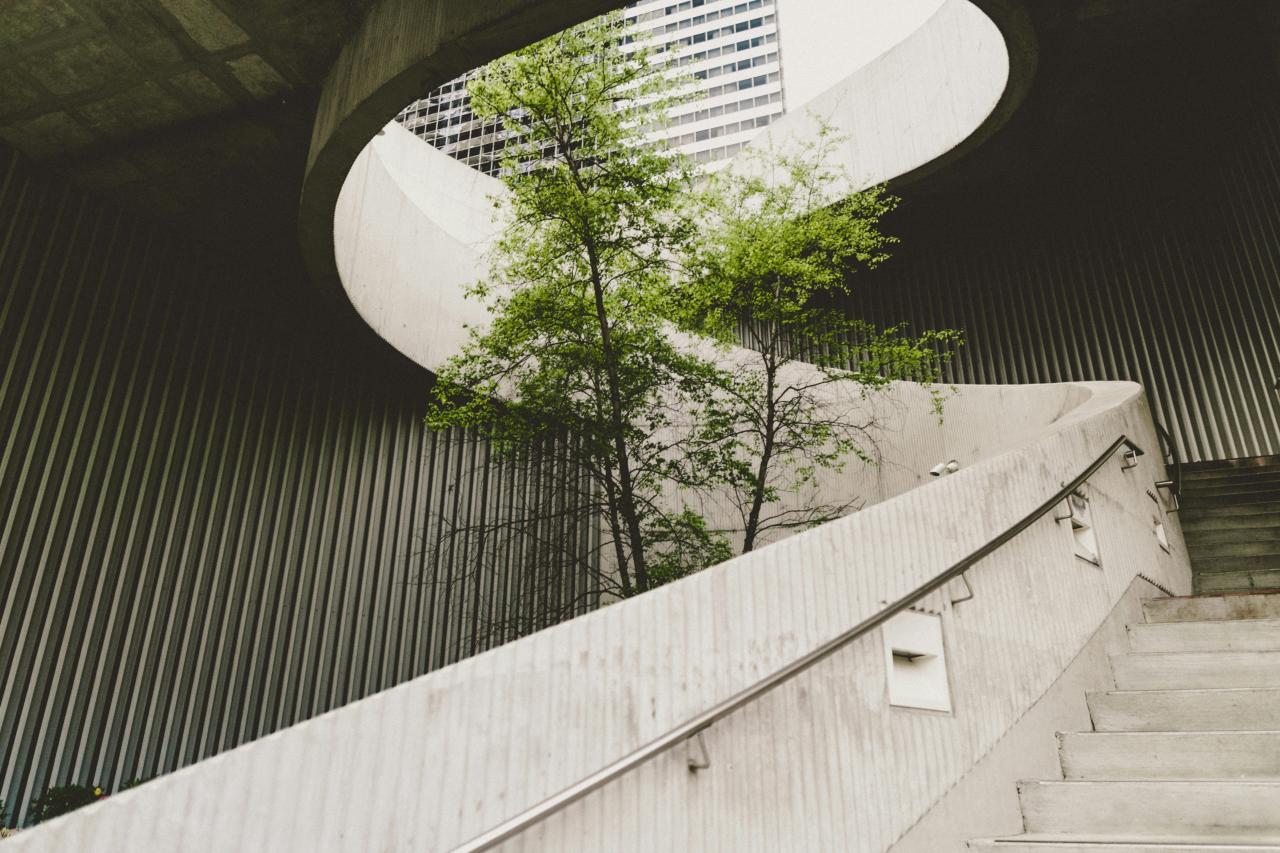
Sometimes, the most sustainable thing you can do is live in a smaller footprint. Minimalist design focuses on quality over quantity, encouraging us to live with only what we truly need.
Tiny homes and modular apartments are proving that you don’t need thousands of square feet to be happy. These smaller spaces are inherently easier to heat, cool, and maintain.
A. Multi-functional furniture, such as tables that transform into beds, allows a single room to serve multiple purposes.
B. Decluttering not only makes a space feel larger but also reduces the mental stress associated with excess possessions.
C. Smaller homes require fewer building materials and less land, preserving natural habitats.
D. Modular construction allows for homes to be built in factories with 90% less waste than traditional on-site building.
E. Shared community spaces in modern apartments reduce the need for every individual to own a private gym or laundry room.
G. Indoor Air Quality and the Non-Toxic Home
We spend the majority of our lives indoors, yet indoor air is often more polluted than outdoor air. A sustainable home prioritizes the health of its inhabitants by eliminating toxic materials.
Formaldehyde and other chemicals found in cheap furniture and carpets can “off-gas” for years. Switching to natural fibers and solid wood is an investment in your long-term health.
A. HEPA filtration systems integrated into the HVAC can remove pollen, dust, and microscopic pollutants from the air.
B. Wool and cotton rugs are naturally flame-retardant and don’t require the harsh chemical treatments found in synthetics.
C. Indoor air quality monitors can track CO2 levels and alert you when it’s time to open a window for fresh air.
D. Choosing “E0” rated cabinetry ensures that the glues used in your kitchen don’t contain harmful resins.
E. Essential oil diffusers and beeswax candles are healthy alternatives to synthetic air fresheners and paraffin candles.
H. Edible Landscapes and Kitchen Gardens
The ultimate eco-friendly home provides more than just shelter; it provides sustenance. Transforming a useless grass lawn into an edible landscape reduces your reliance on industrial food chains.
“Food forests” use layers of fruit trees, berry bushes, and perennial vegetables to create a self-sustaining ecosystem. This increases local biodiversity and gives you access to the freshest possible produce.
A. Raised garden beds make it easy for anyone to grow their own organic vegetables, regardless of soil quality.
B. Hydroponic and aeroponic systems allow for year-round indoor farming in small apartments.
C. Composting kitchen scraps turns waste into “black gold” that feeds your garden plants without chemical fertilizers.
D. Bee-friendly gardens support local pollinators, which are essential for the health of our global food system.
E. Chickens or ducks can be integrated into larger suburban lots to provide fresh eggs and natural pest control.
I. Passive House Standards: The Peak of Efficiency
The “Passive House” (Passivhaus) standard is a rigorous voluntary standard for energy efficiency in a building. It focuses on creating a virtually airtight envelope that requires almost no active heating or cooling.
By using extreme insulation and a heat recovery ventilation system, a Passive House stays comfortable year-round. It is the gold standard for anyone serious about long-term sustainable living.
A. Triple-pane windows act as a powerful barrier against outside noise and temperature extremes.
B. Thermal bridge-free construction ensures there are no “weak spots” in the walls where heat can escape.
C. Heat Recovery Ventilators (HRV) swap stale indoor air for fresh outdoor air while keeping the heat inside.
D. The airtight design prevents drafts and creates a remarkably quiet and peaceful living environment.
E. Passive homes often have a 90% lower heating bill than traditional houses, making them very affordable to run.
J. Community-Scale Sustainability
Sustainability is most effective when it moves beyond the individual home and into the community. Eco-villages and “Green Neighborhoods” are becoming popular for those who want a shared sense of responsibility.
Shared solar grids, community tool libraries, and collective composting programs allow neighbors to pool their resources. This reduces the need for every single person to own everything, promoting a “sharing economy.”
A. Micro-grids allow a neighborhood to stay powered even if the main electrical grid goes down.
B. Community gardens provide a space for social interaction and shared food production.
C. Walkable neighborhoods reduce the reliance on cars, encouraging biking and walking for daily errands.
D. Tool libraries allow neighbors to borrow expensive equipment like power drills or lawnmowers.
E. Shared electric vehicle (EV) charging stations make it easier for apartment dwellers to switch to green transport.
K. The Psychology of Sustainable Living
Adopting an eco-friendly lifestyle requires a shift in mindset. It’s about moving from a “consumer” identity to a “steward” identity, where we see ourselves as part of the ecosystem.
Studies show that people who live in sustainable, biophilic homes report higher levels of happiness and lower levels of anxiety. Living in alignment with your values provides a deep sense of purpose and peace.
A. Mindful consumption helps you avoid “impulse buys” that eventually end up in a landfill.
B. The “Slow Living” movement encourages us to appreciate what we have rather than constantly seeking more.
C. Teaching children about sustainability through gardening and recycling prepares the next generation for a green future.
D. Recognizing the “True Cost” of cheap goods helps us make better ethical decisions as homeowners.
E. Sustainable living fosters a sense of resilience and self-reliance that is invaluable in an uncertain world.
L. Future Trends: 3D Printing and Bio-Materials
As we look toward 2030, the future of sustainable home design is getting even more futuristic. We are seeing the rise of 3D-printed homes made from local soil, hemp, or even recycled plastic.
Bio-materials like mycelium (mushroom roots) are being used to grow insulation and furniture. These materials are literally grown in a lab or a field, requiring almost no energy to produce.
A. 3D-printed houses can be built in a fraction of the time with almost zero construction waste.
B. Carbon-negative concrete is being developed that actually absorbs CO2 from the air as it cures.
C. Transparent wood is a new material that is stronger and more insulating than traditional glass.
D. “Self-healing” materials can automatically fix small cracks, extending the lifespan of a home by decades.
E. Solar-powered “Smart Paint” could eventually turn every surface of your house into a solar panel.
Conclusion
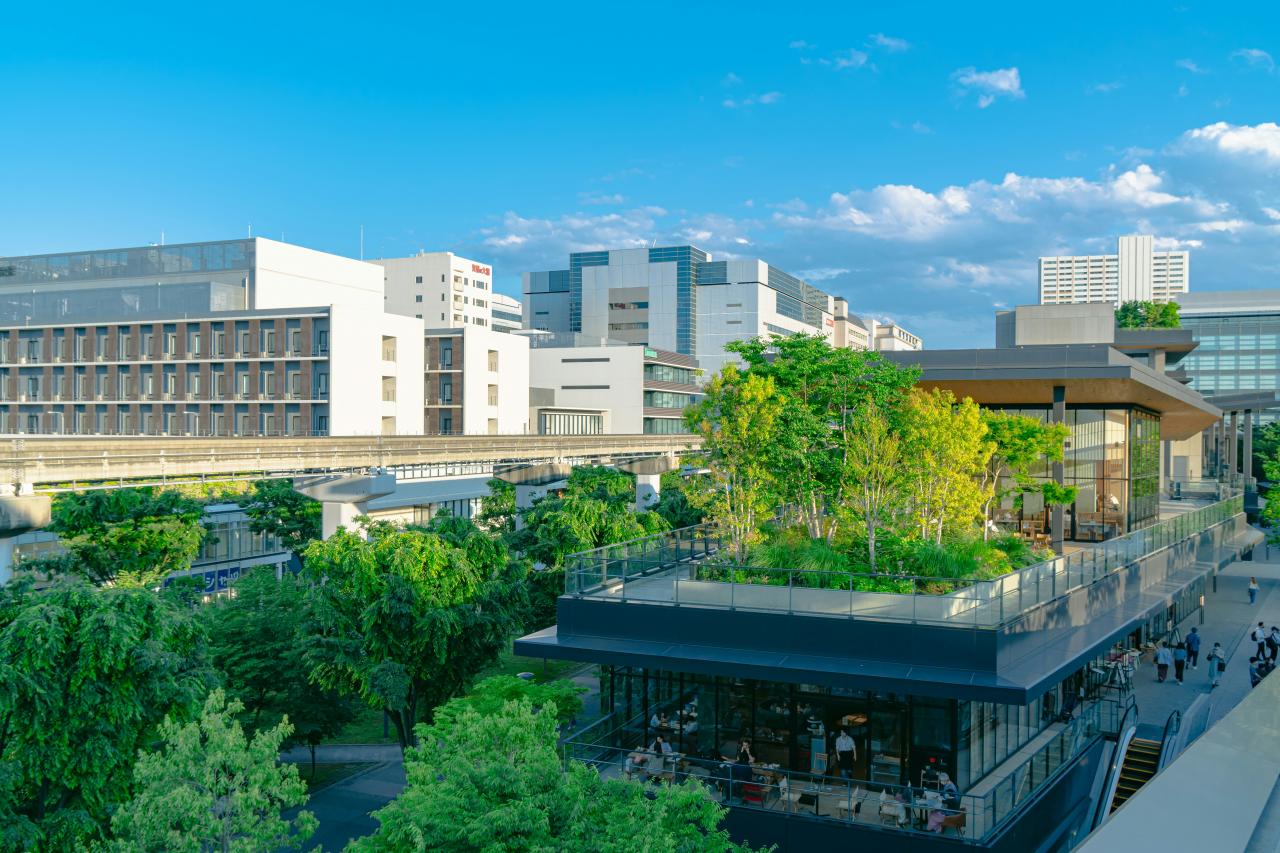
Embracing a sustainable lifestyle is the most impactful decision a modern homeowner can make.
It is a comprehensive journey that begins with the very materials used to build your sanctuary.
By integrating biophilic design, we restore the essential connection between our spirits and nature.
Energy independence through solar and geothermal power is both an ethical and financial win.
Every drop of water saved through harvesting systems contributes to a more resilient global future.
The shift toward high-quality, circular materials ensures that our homes do not become future landfills.
Smart technology acts as the silent conductor, optimizing our environmental footprint every single second.
Minimalism teaches us that true luxury is found in the quality of our space, not the quantity of our things.
Prioritizing indoor air quality is an act of self-care that protects the health of our families.
Our homes are becoming productive landscapes that feed us and support local biodiversity.
The future of housing lies in the incredible potential of 3D printing and bio-materials.
Sustainable living is ultimately a commitment to leaving a better world for the generations to come.

