
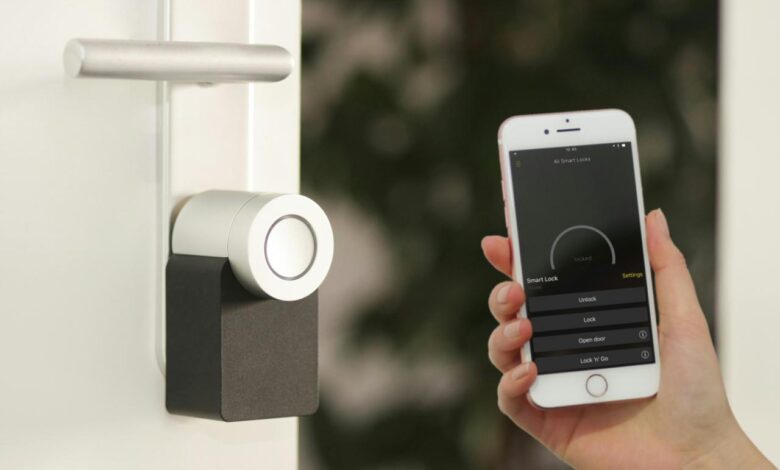
The dream of living in a home that anticipates your every need is no longer confined to the realms of mid-century science fiction. We have officially entered an era where our living spaces are becoming sentient, responsive, and deeply integrated with the digital world. In 2026, smart home technology has moved beyond simple voice-controlled light bulbs to complex, interconnected ecosystems that manage our energy, security, and comfort autonomously.
This transformation is driven by the rapid advancement of artificial intelligence and the widespread adoption of Matter, a universal connectivity standard that allows different devices to speak the same language. For the modern homeowner, automation offers a way to reclaim time and reduce the mental load of managing a household. Imagine waking up to a house that has already adjusted the temperature, brewed your coffee, and checked your morning schedule based on your sleep patterns.
This article will provide a comprehensive deep dive into the world of home automation, exploring everything from AI-driven security to the future of robotic domestic help. Whether you are a tech enthusiast or a casual user, understanding these innovations is key to building a future-proof sanctuary.
A. The Foundation: Understanding the Smart Ecosystem
A truly smart home is more than just a collection of gadgets; it is a unified system that functions as a single organism. The core of this system is the “Hub,” which acts as the brain, coordinating signals between sensors, actuators, and the cloud.
In the past, users were often trapped in “walled gardens,” unable to connect a brand-A sensor to a brand-B thermostat. Today, the industry has shifted toward interoperability, making it easier for anyone to build a custom setup.
A. Centralized hubs use protocols like Zigbee, Z-Wave, and Thread to communicate with low-power devices.
B. Cloud-to-cloud integration allows different apps to share data, provided you have a stable internet connection.





C. Local processing is becoming a priority for privacy-conscious users who want their homes to function even when the Wi-Fi is down.
D. Matter is the new gold standard for connectivity, backed by tech giants like Apple, Google, and Amazon.
E. Edge computing allows smart devices to process data on-site, reducing latency and increasing response speeds.
B. Intelligent Climate Control and Energy Savings
Heating and cooling are usually the biggest expenses for any household, but smart thermostats are changing the financial game. These devices use machine learning to understand your habits and the thermal properties of your specific building.
By analyzing weather forecasts and occupancy patterns, the system can prevent energy waste before it even happens. This level of precision ensures that you are never paying to heat or cool an empty room.
A. Geofencing technology detects when your smartphone is approaching home and adjusts the temperature accordingly.
B. Smart vents allow for “zonal heating,” giving you the ability to set different temperatures for every room in the house.
C. Humidity sensors work in tandem with HVAC systems to prevent mold growth and ensure optimal comfort.
D. Predictive maintenance alerts notify you when an air filter is dirty or when the furnace is showing signs of mechanical failure.
E. Solar integration allows the house to shift heavy energy tasks to times when your panels are producing the most power.
C. The Evolution of AI-Driven Home Security
Traditional security systems were reactive, only sounding an alarm after a window was broken or a door was opened. Modern smart security is proactive, using computer vision to identify potential threats before they reach your porch.
AI cameras can now distinguish between a delivery driver, a stray cat, and a known family member. This reduces “notification fatigue” by only alerting you to events that actually matter.
A. Biometric locks allow for keyless entry using facial recognition, fingerprints, or even iris scans for high-security areas.
B. Virtual “tripwires” can be set around your property, triggering floodlights if an intruder enters a restricted zone.
C. Professional monitoring services can now access live feeds during an alarm to verify the situation for emergency responders.
D. Smart doorbells provide a two-way communication channel, allowing you to give instructions to couriers from anywhere in the world.
E. Encrypted local storage ensures that your private security footage never leaves your home or falls into the wrong hands.
D. Lighting Automation and Circadian Rhythms
Lighting is the most effective way to change the mood and functionality of a room instantly. Smart lighting systems go beyond simple on/off switches, offering millions of colors and varying intensities.
The latest trend is “Circadian Lighting,” which mimics the natural progression of the sun throughout the day. This helps regulate your body’s internal clock, improving sleep quality and daytime energy levels.
A. Automated “Scenes” allow you to change the entire house’s lighting for dinner, movies, or focus work with one command.
B. Motion-activated pathway lighting ensures that you can navigate your home safely at night without fumbling for switches.
C. Smart shades work with your lights to balance natural and artificial illumination, maintaining a consistent brightness.
D. Vacation modes simulate occupancy by turning lights on and off in a realistic pattern while you are away.
E. Voice-dimming allows for hands-free adjustments, which is particularly useful in kitchens or bathrooms.
E. The Smart Kitchen: Robotics and Inventory Management
The kitchen is often called the heart of the home, and it is receiving a massive technological upgrade. Smart refrigerators can now track expiration dates and suggest recipes based on what you have left in the crisper drawer.
Induction cooktops with built-in sensors prevent water from boiling over and ensure that meat is always cooked to the perfect internal temperature. These innovations make healthy cooking more accessible to busy professionals.
A. Connected ovens can be preheated remotely, so they are ready the moment you walk through the door.
B. Smart dishwashers can automatically order more detergent pods from online retailers when they run low.
C. Countertop herb gardens use automated LED lights and water pumps to grow fresh produce year-round.
D. Voice-controlled faucets allow for precise measurements of water, such as asking for exactly “two cups of warm water.”
E. Robotic arms are beginning to enter the luxury market, capable of performing repetitive tasks like stirring or chopping.
F. Entertainment and Immersive Media Rooms
Home theaters have evolved into fully immersive environments where the lights, sound, and screen are perfectly synchronized. Smart “Ambilight” systems project colors from the screen onto the walls to expand the field of view.
Multi-room audio allows you to “follow” your music or podcast as you move from the bedroom to the living room. This creates a seamless auditory experience throughout the entire house.
A. Wireless audio protocols like AirPlay 2 and Chromecast allow for high-fidelity streaming without messy cables.
B. Smart projectors can automatically calibrate their focus and keystone based on the wall surface they are hitting.
C. Hidden speakers can be installed behind drywall or inside furniture to maintain a minimalist aesthetic.
D. Integrated universal remotes allow you to control the TV, soundbar, and gaming console from a single smartphone app.
E. Haptic seating can vibrate in sync with on-screen action, adding a physical dimension to your movie-watching experience.
G. Health and Wellness Monitoring at Home
The future of healthcare is moving into the home through non-invasive sensors and smart bathroom fixtures. Smart scales can now measure body composition, heart rate, and even nerve activity.
Sleep trackers built into mattresses provide a nightly “recovery score,” helping you understand how lifestyle choices affect your rest. These data points allow for a more personalized approach to long-term wellness.
A. Smart mirrors can display your daily schedule, weather, and workout metrics while you brush your teeth.
B. Air quality monitors detect VOCs, CO2, and particulate matter, automatically triggering air purifiers when levels rise.
C. Smart toilets can perform basic urine analysis to track hydration levels and detect early signs of nutritional deficiencies.
D. Fall detection sensors in the homes of the elderly can automatically call for help without the need for a wearable button.
E. Connected fitness equipment provides real-time form correction using AI cameras to prevent injury during home workouts.
H. Domestic Robotics: Beyond the Vacuum
Everyone is familiar with the robotic vacuum, but the next generation of domestic robots is much more capable. We are seeing the rise of mopping robots that can clean themselves and lawnmowers that use GPS to navigate without boundary wires.
In the near future, humanoid or semi-humanoid assistants will be able to perform complex tasks like folding laundry or unloading the dishwasher. These robots use advanced LiDAR and AI to navigate cluttered environments safely.
A. Robot vacuums now feature “Obstacle Avoidance” that can identify and steer around pet waste or charging cables.
B. Automated window cleaners use suction and microfiber pads to clean high or hard-to-reach glass surfaces.
C. Smart pool cleaners operate independently, scrubbing the floor and walls while filtering out debris.
D. Delivery robots can navigate from the curb to your front door to drop off groceries or packages securely.
E. Social robots provide companionship and reminders for medication, acting as a digital concierge for the household.
I. Data Privacy and Cyber Security Challenges
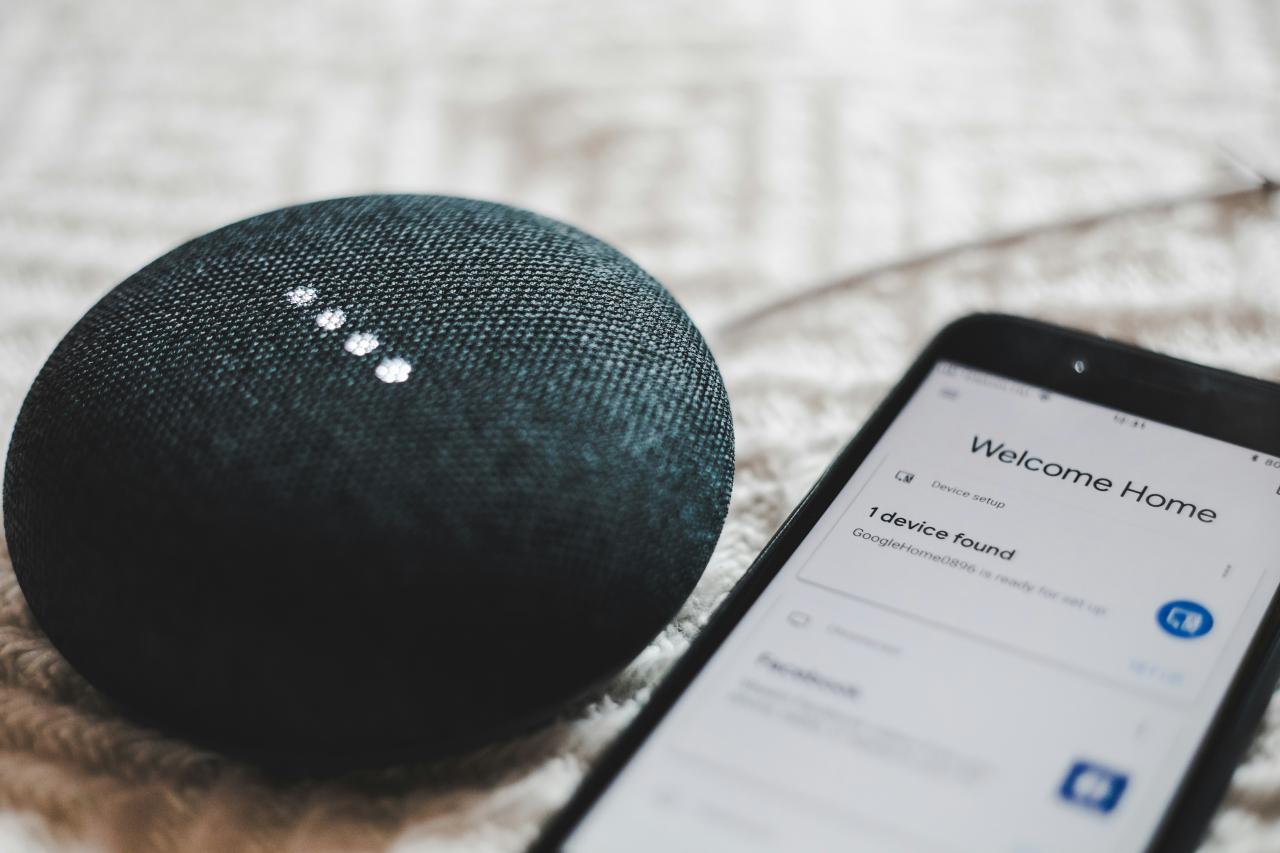
As we add more “ears” and “eyes” to our homes, the risk of data breaches increases significantly. A smart home is only as secure as its weakest link, which is often an outdated firmware or a weak password.
It is crucial to segment your smart home devices onto a separate guest network to protect your primary computers and phones. Using Two-Factor Authentication (2FA) for every smart home account is a non-negotiable step for modern safety.
A. End-to-end encryption ensures that your voice commands and camera feeds cannot be intercepted by hackers.
B. Physical “kill switches” on microphones and cameras provide peace of mind when the devices are not in use.
C. Regular firmware updates are necessary to patch security vulnerabilities discovered by researchers.
D. Local storage of AI data prevents large tech corporations from building a detailed profile of your private habits.
E. Choosing reputable brands with a history of security support is better than buying “no-name” budget gadgets.
J. The Financial Impact: Property Value and ROI
Investing in smart home technology is no longer just a luxury expense; it is a way to increase the resale value of your property. Modern buyers are looking for “move-in ready” homes that already have smart infrastructure.
Systems that improve energy efficiency or security offer the highest Return on Investment (ROI). Many insurance companies even offer discounts for homes that have smart smoke detectors and water leak sensors.
A. Smart home features can decrease the “days on market” for a property listing by attracting tech-savvy buyers.
B. Energy-efficient certifications, often achieved through automation, can increase a home’s appraisal value by 5-10%.
C. Retrofitting older homes with smart technology is often cheaper than a full aesthetic renovation.
D. Landlords can charge higher rents for “Smart Apartments” that include integrated security and climate control.
E. The long-term savings on utility bills often pay for the cost of the smart devices within the first few years.
K. Sustainability through Intelligent Management
Automation is one of our best weapons in the fight against climate change at a residential level. By optimizing every watt of power and every gallon of water, smart homes reduce the overall strain on our planet’s resources.
Smart irrigation systems use local weather data to ensure that you never water your lawn during a rainstorm. This micro-management of resources is essential for a sustainable future in a world with fluctuating weather patterns.
A. Smart plugs can identify “vampire loads” and shut down electronics that are wasting power in standby mode.
B. Demand-response programs allow your smart home to communicate with the electrical grid to lower usage during peak hours.
C. Water leak sensors prevent catastrophic damage and the waste of thousands of gallons from a burst pipe.
D. Composting robots can turn food scraps into nutrient-rich soil in a matter of hours, reducing landfill waste.
E. Electric vehicle (EV) chargers can be programmed to only draw power when electricity prices are at their lowest.
L. The Future: Ambient Intelligence and Beyond
The ultimate goal of smart home technology is “Ambient Intelligence,” where the technology disappears into the background. In this future, you won’t need to bark orders at a smart speaker or tap on a screen.
The house will use a combination of sensors and AI to understand your intent through your gestures, your location, and even your mood. This creates a living environment that is truly “harmonious” with the human experience.
A. Spatial audio and visual projections will allow for “virtual windows” that can display any landscape in the world.
B. Haptic surfaces will allow us to change the texture and “feel” of our furniture using localized vibrations.
C. Self-assembling furniture could allow a room to reconfigure itself from an office to a bedroom in minutes.
D. Biometric data will allow the house to adjust lighting and music to help lower your blood pressure after a stressful day.
E. The concept of the “home” will extend to the smart city, creating a seamless experience from your front door to the office.
Conclusion

The evolution of smart home technology is fundamentally changing how we interact with our private sanctuaries.
We are moving away from a collection of isolated gadgets toward a unified and intelligent living organism.
Automation allows us to save precious time by handling the repetitive and mundane tasks of daily life.
Energy efficiency through smart management is no longer a luxury but a necessity for the modern world.
Proactive security systems provide a level of safety and peace of mind that was previously impossible to achieve.
The integration of health monitoring into our bathrooms and bedrooms is paving the way for a longer life.
We must remain vigilant and proactive about our digital privacy to ensure our homes remain safe havens.
Interoperability through the Matter standard has finally made the dream of a “universal” smart home a reality.
Investing in these technologies provides a clear return on investment through both energy savings and property value.
The ultimate future of the smart home lies in ambient intelligence that serves us without being seen.
As we look toward 2030, our homes will continue to become more responsive, sustainable, and deeply human-centric.

