
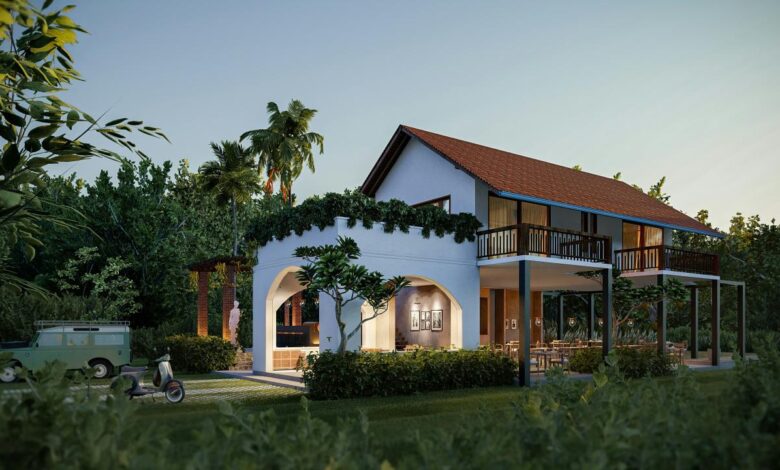
The integration of natural elements into luxurious living spaces has evolved from a mere decorative trend into a sophisticated architectural philosophy known as biophilic design. In the modern world, where individuals spend a vast majority of their time indoors, the psychological and physical need for a connection to the natural environment has never been more critical. High-end biophilic interior design systems go beyond adding a few potted plants; they involve a comprehensive restructuring of how light, air, and organic materials interact with human inhabitants.
This design movement seeks to reduce the stress of urban living by mirroring the patterns and textures found in the wilderness within a controlled, premium setting. By utilizing advanced technology and sustainable materials, architects can now create interior ecosystems that self-regulate and provide a sensory experience that is both calming and revitalizing. The goal of a professional designer in this niche is to blur the boundaries between the built environment and the organic world to enhance the overall well-being of the occupants.
We are seeing a massive shift in high-end real estate toward homes that prioritize air quality, natural light optimization, and acoustic harmony through biological intervention. This article will explore the core systems that define luxury biophilic interiors and how they can be implemented to create a sanctuary of modern elegance.
The Core Principles of Organic Spatial Connectivity
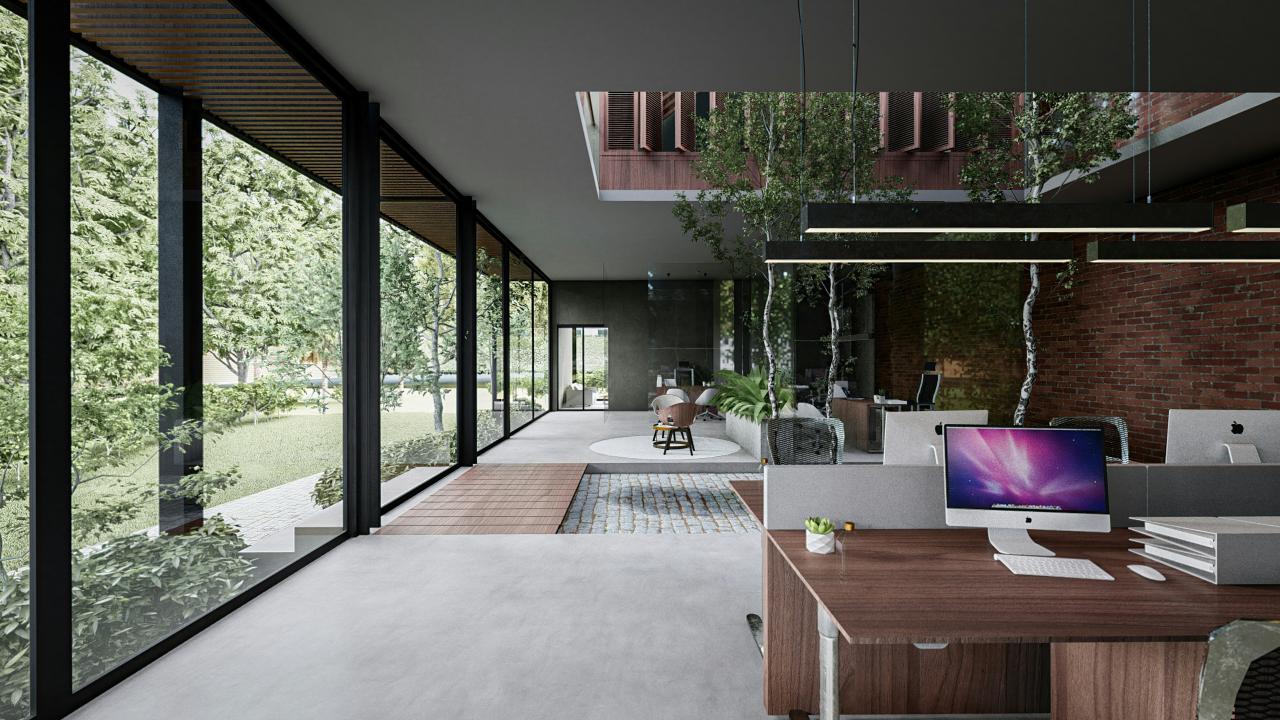
To create a successful biophilic space, one must understand the relationship between the human nervous system and natural geometry. Design is not just about aesthetics; it is about how a room makes you feel on a biological level.
A. Visual Connection with Natural Systems
A high-end system prioritizes unobstructed views of nature or the creation of internal vistas that mimic natural landscapes. This can be achieved through expansive glass walls or carefully curated indoor courtyards that act as the lung of the home.
B. Non-Visual Sensory Stimuli
True luxury design engages more than just the eyes. It incorporates the sound of trickling water, the scent of aromatic wood, and the tactile sensation of raw stone to create a multi-dimensional environment.
C. Thermal and Airflow Variability
Static air is a hallmark of poor design. Biophilic systems use subtle shifts in air temperature and gentle airflow to mimic the sensation of an outdoor breeze, which has been shown to improve cognitive function.
Implementing Living Wall Systems and Vertical Gardens
Vertical gardens are the most striking feature of biophilic design, serving as both a piece of living art and a functional air filtration system. In a luxury context, these systems must be fully automated and integrated into the building’s plumbing.
A. Automated Hydroponic Irrigation
High-end living walls utilize smart sensors to deliver water and nutrients directly to the roots without the need for soil. This minimizes mess and ensures that the plants remain vibrant and healthy with zero manual effort from the homeowner.
B. Integrated Grow Lighting Technology
Since many interior spaces lack sufficient sunlight, specialized LED systems are embedded into the ceiling to provide the specific spectrum of light needed for photosynthesis. These lights are often programmed to follow a circadian rhythm, dimming and brightening throughout the day.
C. Plant Selection for Air Purification
Not all plants are equal when it comes to oxygen production and toxin removal. Designers select specific species that thrive in indoor climates while actively scrubbing carbon dioxide and volatile organic compounds from the air.
Maximizing Natural Light and Circadian Optimization
Light is the most important element in biophilic design because it regulates our internal biological clocks. A luxury home should feel bright and airy, even in the middle of a dense urban center.
A. Dynamic Fenestration and Smart Glazing
Modern glass technology allows for windows that can change their tint based on the intensity of the sun. This prevents overheating while still allowing the maximum amount of natural light to penetrate deep into the floor plan.
B. Light Wells and Sun Pipes
For rooms that do not have direct access to exterior walls, sun pipes can be used to funnel natural light from the roof down through multiple floors. This ensures that every corner of the home benefits from the healing properties of the sun.
C. Circadian Lighting Systems
When the sun goes down, artificial lighting should mimic the warm tones of a sunset to prepare the body for sleep. High-end systems automatically adjust the color temperature of every bulb in the house to match the natural light cycle outside.
Materiality and the Use of Natural Analogues
When living plants are not feasible, designers use natural analogues—materials that mimic the patterns and textures found in nature. This creates a psychological connection to the outdoors through tactile and visual cues.
A. Biomorphic Patterns and Textures
Using wallpapers or floor tiles that feature the Fibonacci sequence or fractal patterns can reduce stress. These complex yet organized patterns are common in nature and are inherently pleasing to the human eye.
B. Sustainable Wood and Stone Elements
High-end interiors often feature reclaimed wood with visible grains and unpolished stone surfaces. These materials ground the space and provide a sense of permanence and history that synthetic materials cannot match.
C. The Psychology of Earth Tones
A biophilic color palette avoids harsh, artificial colors in favor of greens, browns, and blues. These colors are known to lower heart rates and create a sense of security and calm within the living environment.
Water Features as Acoustic and Visual Anchors
The sound and sight of water have a profound effect on the human psyche. In a luxury biophilic system, water features are used to mask urban noise and create a focal point for relaxation.
A. Indoor Waterfalls and Reflection Pools
Large-scale water features act as natural humidifiers, improving air quality in dry climates. They also serve as a dramatic visual element that defines the entrance or a central living area.
B. Acoustic Masking and Soundscapes
The white noise generated by a gentle waterfall can drown out the sound of traffic or sirens. This creates a “sonic sanctuary” where the homeowner can escape the chaos of the outside world.
C. Integrated Aquatic Ecosystems
Some high-end designs include large-scale aquariums or indoor ponds with koi and aquatic plants. These systems require advanced filtration but provide a deep, mesmerizing connection to the underwater world.
The Intersection of Biophilia and Smart Home Technology
Technology and nature are often seen as opposites, but in high-end design, they work together to create a seamless experience. Smart home systems are the “brain” that keeps the biophilic elements alive.
A. Environmental Sensor Arrays
Sensors throughout the home monitor humidity, CO2 levels, and soil moisture in real-time. This data is used to automatically adjust the HVAC and irrigation systems to maintain the perfect balance for both humans and plants.
B. Voice-Activated Nature Scenes
Luxury systems can change the mood of a room instantly by adjusting the lighting, opening the windows, and playing natural soundscapes. With a single command, a living room can transform into a forest clearing or a coastal retreat.
C. Low-Maintenance Automation Hubs
The goal of luxury is convenience. By automating the maintenance of biophilic elements, the homeowner can enjoy the benefits of nature without the stress of gardening or technical upkeep.
Designing for Mental Health and Productivity
Biophilic design is a powerful tool for improving mental clarity and reducing symptoms of anxiety and depression. This makes it particularly valuable for home offices and high-stress corporate environments.
A. Creating “Restorative Zones”
A high-end home should have specific areas designed for meditation and quiet reflection. These zones are usually rich in greenery and have the best access to natural light and fresh air.
B. The Impact on Cognitive Performance
Studies show that working in a biophilic environment can increase creativity and problem-solving skills. By integrating plants and natural light into an office, a designer can help the occupant achieve a state of “flow” more easily.
C. Social Spaces and Natural Interaction
Biophilic elements can also be used to encourage social interaction. An indoor garden or a shared water feature provides a natural gathering point for family and guests, fostering a sense of community.
Sustainable Sourcing and Ethical Luxury
Modern luxury is defined by responsibility. High-end biophilic design must prioritize the health of the planet as much as the health of the individual.
A. Responsibly Harvested Organic Materials
Every piece of wood or stone should be traceable to a sustainable source. Using FSC-certified timber and locally quarried stone reduces the carbon footprint of the project and ensures ethical production.
B. Upcycled and Recycled Design Elements
Innovation in materials science has led to the creation of luxury fabrics and finishes made from recycled ocean plastics or agricultural waste. These materials often have unique textures that enhance the biophilic aesthetic.
C. Energy-Efficient Biological Systems
The systems used to maintain indoor nature should not consume excessive power. High-end designs incorporate solar energy and greywater recycling to make the biophilic elements as self-sufficient as possible.
Seasonal Adaptation in Biophilic Design
A true biophilic system should reflect the changing of the seasons outside. This helps the occupants stay connected to the natural passage of time, which is often lost in modern buildings.
A. Deciduous Plant Integration
Using plants that change color or lose their leaves in the winter provides a visual cue for the season. This connects the internal environment to the external world in a meaningful, poetic way.
B. Adjustable Living Wall Compositions
Some advanced systems allow for the easy swapping of plants, allowing the homeowner to update the look of their vertical garden based on the time of year or personal preference.
C. Flexible Lighting and Temperature Mapping
During the winter, the lighting system should provide warmer, brighter light to combat seasonal affective disorder. In the summer, the system can focus on cool tones and increased airflow to mimic a shaded forest.
The Future of High-End Biophilic Urbanism
As our cities become more crowded, the demand for biophilic sanctuaries will only grow. We are moving toward a future where “living buildings” are the standard for luxury living.
A. Integration with Urban Agriculture
Future high-end homes may include indoor “farm-to-table” systems where the biophilic garden also produces fresh herbs and vegetables for the kitchen. This represents the ultimate level of self-sufficiency and luxury.
B. Bio-Digital Architecture and 3D Printing
We are beginning to see 3D-printed structures that use organic materials like clay or mushroom mycelium. These buildings are literally grown rather than built, creating a perfect union of technology and biology.
C. Holistic Wellness Communities
The next step in luxury real estate is the development of entire neighborhoods designed around biophilic principles. These communities offer a shared ecosystem where nature is the primary infrastructure, not an afterthought.
Conclusion
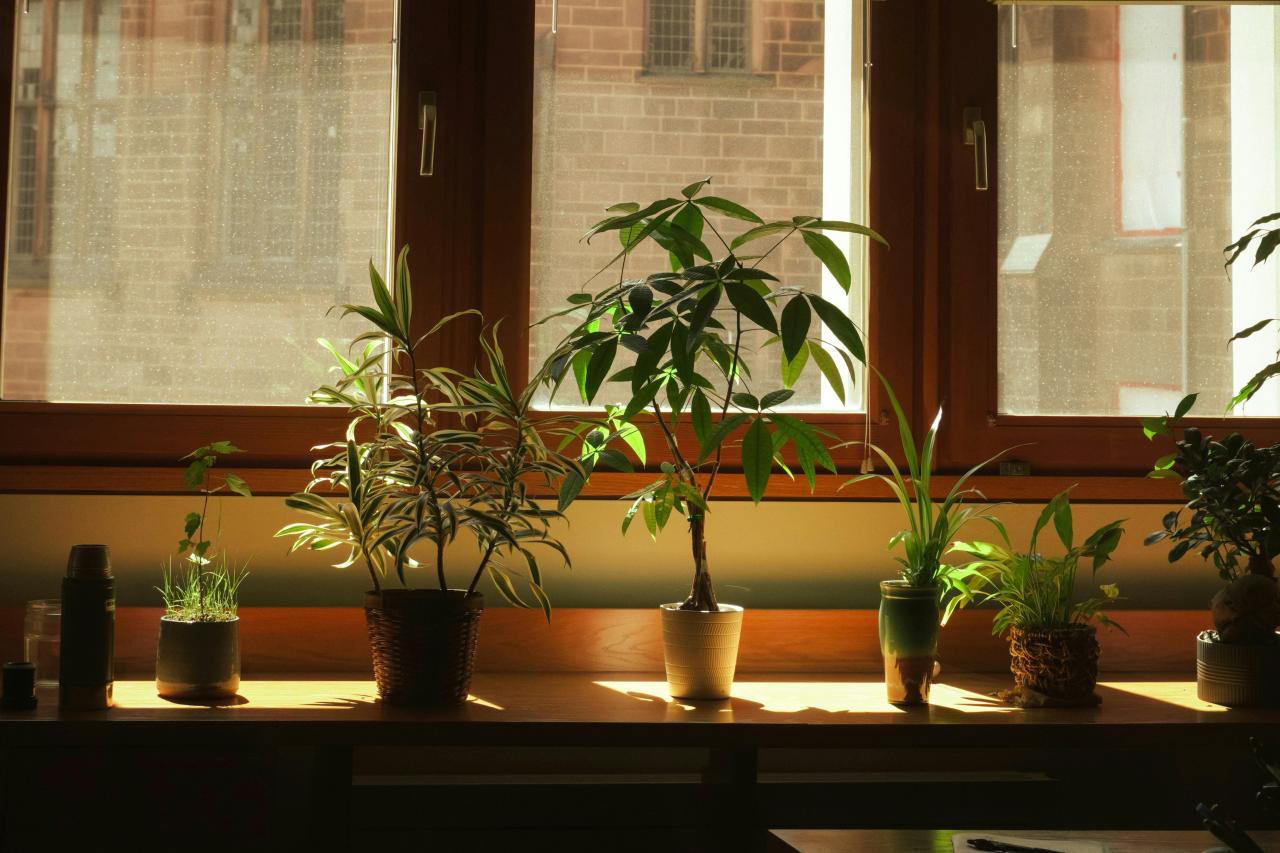
High-end biophilic interior design represents a transformative approach to modern luxury living. The fundamental goal is to restore the biological connection between humans and the natural world. Living walls and vertical gardens serve as functional art that purifies the air and calms the mind. Smart lighting systems that follow the circadian rhythm are essential for maintaining human health and energy. The use of natural materials like stone and wood provides a tactile experience that synthetic products cannot replicate.
Water features create a multisensory environment that effectively masks the noise of urban life. Automation technology allows for the seamless maintenance of complex indoor ecosystems with minimal human effort. Designers must prioritize sustainable sourcing to ensure that luxury does not come at the expense of the planet. Biophilic spaces are scientifically proven to reduce stress and improve overall cognitive performance for the occupants.
The integration of nature into the home office is a powerful way to boost creativity and productivity. Seasonal changes should be reflected within the interior to keep inhabitants connected to the natural cycle of time. Future architectural trends suggest that buildings will increasingly behave like living organisms rather than static structures. The investment in biophilic systems pays off in the form of enhanced well-being and long-term property value. Ultimately, a home designed with nature at its core is the ultimate sanctuary in an increasingly digital world.

