
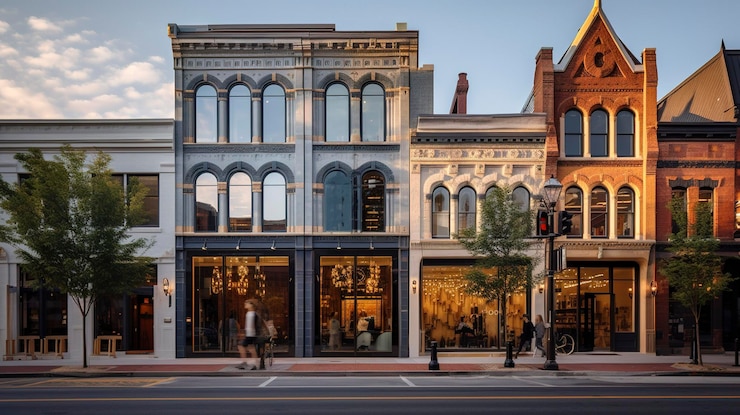
The world’s urban centers are defined by their architectural heritage, testaments to past eras and enduring symbols of cultural identity. However, these historic buildings face an existential challenge: how to maintain their structural and aesthetic integrity while meeting the demands of 21st-century utility, energy efficiency, and modern living. Contemporary solutions lie in the sophisticated and rapidly evolving field of architecture known as adaptive reuse and historic preservation.
This practice moves far beyond mere restoration, focusing on radical yet respectful modern overhauls that inject cutting-edge technology, sustainable systems, and entirely new functions into aging structures. This transformative trend is setting a new global record for sustainable development, seamlessly blending the gravity of history with the dynamism of the future.
This in-depth analysis will explore the crucial technological, regulatory, and design strategies underlying this architectural renaissance. We will examine the complex challenges of preserving cultural heritage while achieving modern performance metrics, explore innovative engineering solutions used to seamlessly integrate smart systems, analyze the profound economic and environmental benefits of adaptive reuse versus new construction, and envision a future where revitalized historic structures become some of the most desirable, sustainable, and iconic global real estate assets.
Philosophy: Bridging the Past and the Future
Modern approaches to the revitalization of historic buildings are governed by a nuanced philosophical framework that seeks synthesis rather than conflict between the old and the new.
1. Adaptive Reuse as a Sustainability Mandate
The most compelling argument for modern remodeling is rooted in environmental responsibility, which positions preservation as a top-tier sustainability strategy.
- Minimizing Embedded Carbon: The largest component of a building’s lifecycle carbon footprint is embedded carbon—the energy expended in material extraction, manufacturing, and construction. By reusing an existing structure, much of this carbon is retained, achieving an unmatched sustainability record compared to demolition and new construction.
- Reducing Landfill Waste: Adaptive reuse drastically reduces the amount of construction and demolition (C&D) waste sent to landfills, transforming what would otherwise be waste into valuable assets.
- Improving Operational Efficiency: The remodeling process systematically replaces outdated mechanical, electrical, and plumbing (MEP) systems with modern, high-efficiency alternatives, dramatically reducing a building’s operational energy consumption and utility costs over its long lifespan.
2. Respectful Architectural Interventions
Modern design principles advocate a clear and honest distinction between the historic structure and contemporary additions.
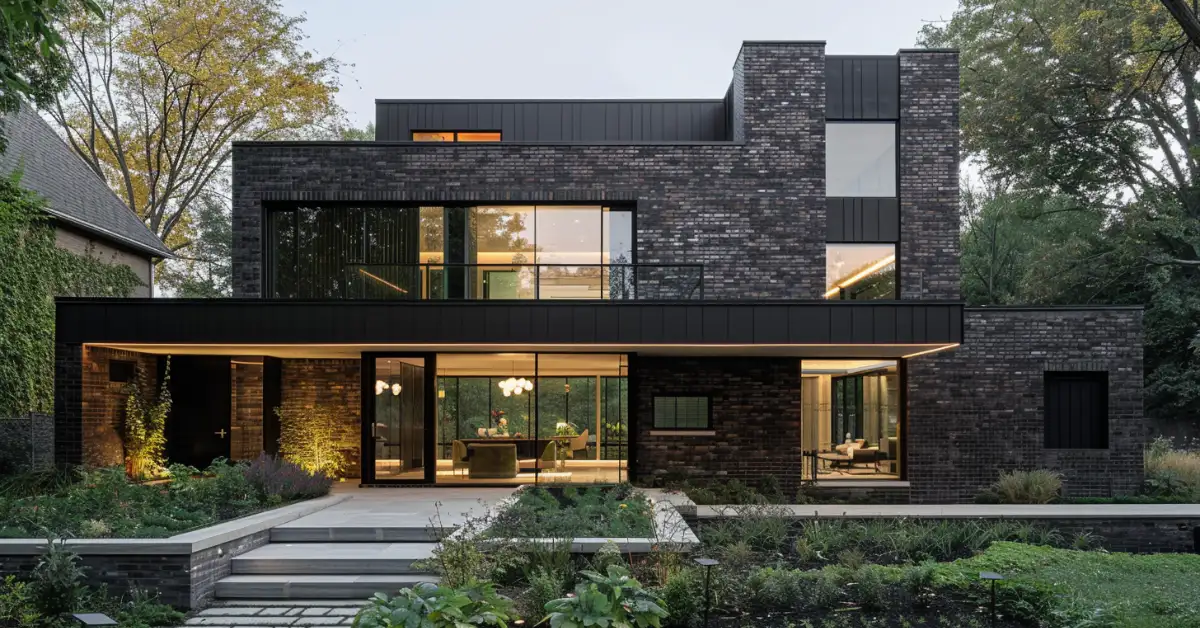
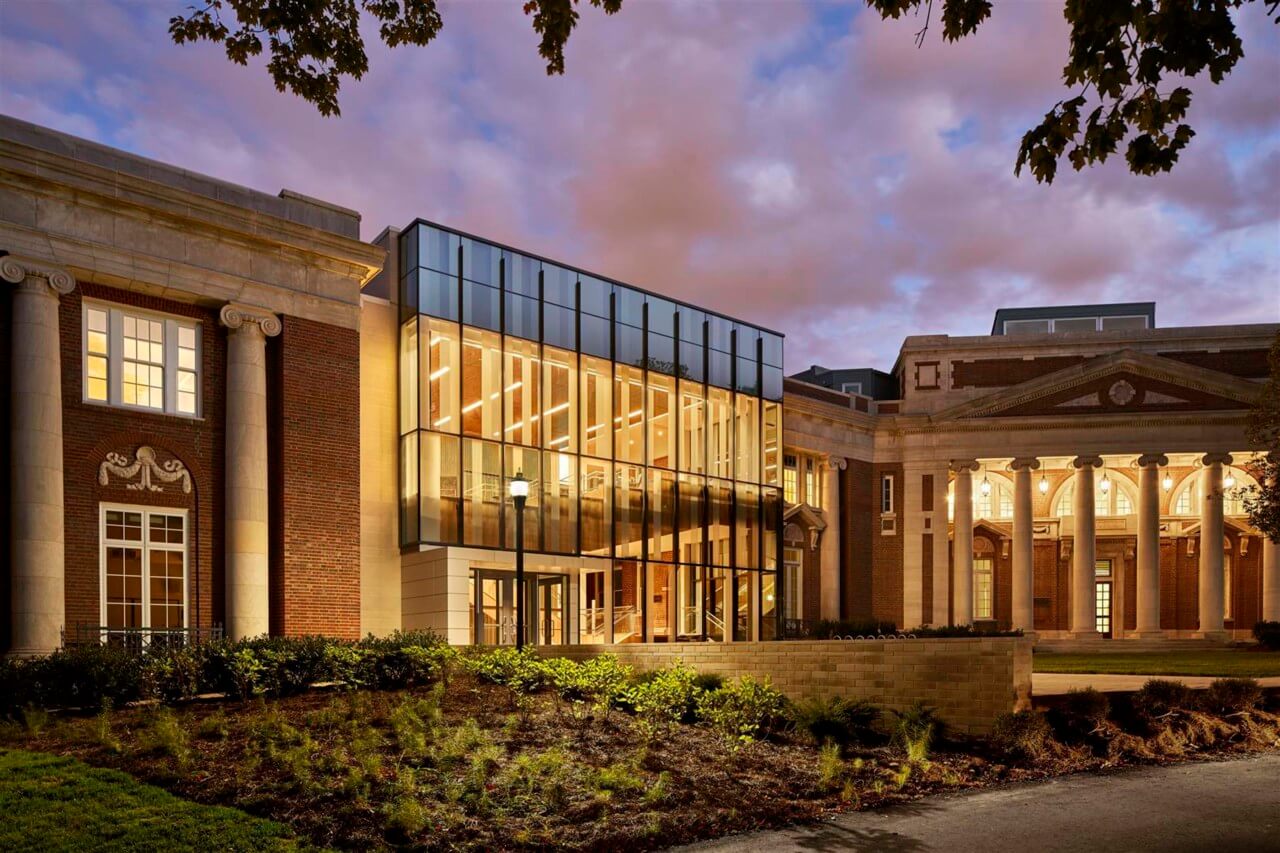
- Principle of Juxtaposition: Rather than attempting to imitate historical styles (which often results in a “fake” history), contemporary architects prefer clear juxtaposition. New elements—glass walls, steel staircases, or lighting fixtures—are intentionally modern, allowing the authenticity of the original structure to shine through.
- Preservation of “Historical Scars”: The concept of preserving historical “scars” or patina—signs of aging, wear, and previous use—is prioritized. These elements provide depth and authenticity to the narrative, reminding occupants of the building’s long-term existence.
- Reversible Interventions: Whenever possible, new structural and mechanical additions are designed to be reversible. This ensures that future generations have the option to remove contemporary layers without damaging the underlying historic materials, while still adhering to heritage preservation guidelines.
Technology and Engineering: Modernization in Disguise
The success of this historic renovation hinged on the discreet, often invisible, integration of advanced technology that brought the building up to today’s functional and safety standards.


1. Structural Strengthening and Seismic Enhancement
Aging structures must be stabilized and protected against seismic stresses and the modern environment without altering their external appearance.
- Micropiles and Foundation Stabilization: To support the addition of a new, heavier roof or the excavation of a basement, advanced micropiling techniques are used to strengthen foundations with minimal disruption to the existing structure or surrounding properties.
- Seismic Damping and Base Isolation: In earthquake-prone areas, historic buildings are upgraded using innovative seismic dampers (often installed within existing wall cavities) or, more radically, by implementing base isolation systems that isolate the building from ground movement using special bearings.
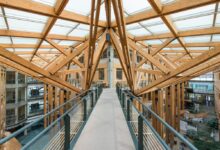
- Carbon Fiber Reinforcement: To reinforce aging masonry or concrete blocks, lightweight, high-tensile carbon fiber fabrics or plates are often adhesively applied to load-bearing elements. This method drastically increases structural capacity with virtually zero visual impact.
2. Intelligent Systems and Digital Integration
Infusing 21st-century intelligence into 19th-century infrastructure requires an innovative and non-invasive approach.
- Wireless Building Automation Systems (BAS): Traditional BAS require extensive new wiring, which is problematic in historic walls. Modern renovations rely on IoT-enabled wireless sensors for climate control, lighting management, and occupancy monitoring, minimizing the need for invasive, disruptive work.
- Concealed HVAC and Air Filtration: New, highly efficient Variable Refrigerant Flow (VRF) systems are often used because their compact nature allows components to be installed discretely within shallow ceiling cavities or existing shafts, thus preserving historic heights and decorative ceilings.
- Integrated Security and Access Control: Security and fire detection systems should be installed using fiber optic cables and miniature sensors that are painted or camouflaged to be virtually invisible, complying with strict heritage guidelines while maximizing safety.
Design Challenge: Achieving Modern Comfort and Utility
Architects face creative challenges in integrating new functions—from high-tech offices to modern residences—into spaces originally designed for a different era (e.g., factories, power plants, churches).
1. Light, Space, and Vertical Circulation
Overcoming the dark and compartmentalized nature of many historic buildings is key to their modern viability.
- Strategic Glass and Atria: Architects often introduce expansive new glass panels into the roof or strategically cut into non-load-bearing walls to flood interior floor plates with natural light, improving energy efficiency and occupant well-being.
- New Vertical Connectors: Integrating contemporary staircases or glass elevators into unused light wells or utility shafts creates efficient and visible circulation paths. These transparent additions provide a visual journey through layers of history.
- Flexible and Open Floor Plans: Historic interiors, once divided into small offices, were transformed into open and flexible floor plans suitable for modern collaborative work environments, respecting the original structural rhythm (columns) while reimagining the use of space.
2. Acoustic and Thermal Performance
Historic walls and windows often provide poor insulation and acoustic separation, which is a major obstacle to modern comfort standards.
- Secondary Glazing Solutions: Instead of replacing original windows (a regulatory impossibility), highly efficient secondary glazing is installed on the interior. This maintains the historic aesthetic while dramatically improving thermal and acoustic performance.
- Acoustic Treatments: Innovative acoustic paneling, disguised as period wall coverings or integrated into new millwork, is used to manage sound reverberation in large, vaulted historic spaces (such as former banking halls or factories) that are being converted into modern gathering spaces.
- Vapor Barrier Integration: Historic structures often lack modern vapor barriers. The preservation process must integrate these elements—often via carefully ventilated wall assemblies or specialized plasters—to prevent moisture damage while allowing the original walls to “breathe” as intended.
Regulatory and Financial Complexities
The adaptive reuse of historic buildings is significantly more complex than new construction, requiring navigating a maze of heritage regulations and specialized financial mechanisms.
1. Navigating Heritage and Building Codes
Architects must reconcile often conflicting demands between modern safety laws and historic preservation mandates.
- Fire and Life Safety Exemptions: Modern building codes require specific distances and egress routes for fire safety. Preservation projects often require lengthy negotiations for equivalent life safety alternatives (e.g., enhanced sprinkler systems, pressurized stairwells) that avoid destroying historically significant features.
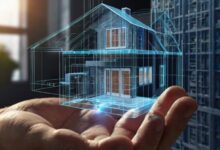
- Documentation and Digital Twins: Before any intervention, preservation teams must create meticulous archival documentation, often including photogrammetry and laser-scanned digital twins of the structure, setting a record for pre-construction detail. This documentation is crucial for obtaining heritage approval.
- Material Conservation Expertise: Facelifts require engaging specialist conservators (for masonry, plaster, wood, and metal) to ensure that repairs and cleaning are performed using historically accurate and chemically compatible methods, preserving the material integrity.
2. Financial Incentives and Economic Returns
The high upfront cost of historic preservation is offset by unique financial benefits and long-term economic advantages.
- Tax Credits and Grants: Many governments offer substantial historic preservation tax credits and grants to offset the higher costs associated with specialized labor and materials, making these projects financially viable.
- Increased Market Value and Prestige: Successfully modernized historic buildings have significant prestige value in the real estate market. Residents are willing to pay more for the unique character, high ceilings, and historical narrative that newer buildings cannot replicate.
- Economic Resilience: Historic buildings, by their very nature, have a proven track record of longevity. Investing in their modernization ensures a highly durable asset, more resilient to short-term market fluctuations, and favored by long-term institutional investors.
Conclusion
The trend of retrofitting historic buildings with sophisticated modern touches is the ultimate sustainability and cultural statement in contemporary architecture. It is a complex blend of engineering, conservation science, and art that successfully integrates smart wireless systems, seismic retrofitting, and ultra-efficient HVAC into centuries-old structures. By prioritizing the reuse of existing buildings, cities are not only preserving their irreplaceable cultural identities but also setting ambitious new records for environmental responsibility. Successfully adapted historic buildings become dynamic property assets that tell a lasting story—a powerful testament to the fact that the most innovative and sustainable future is one that honors and leverages the best of its past.

