
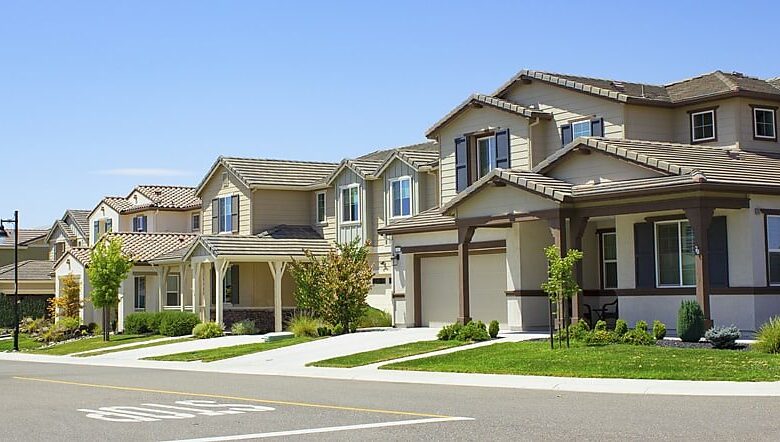
The global housing industry is grappling with a series of profound crises: rising construction costs, a chronic labor shortage, soaring demand for affordable housing, and the urgent need for sustainable building practices. Faced with these challenges, the conventional, site-built construction model is proving increasingly inefficient and inadequate. A solution gaining unprecedented traction worldwide is Modular Housing—an advanced, factory-based construction process in which homes or building units are built off-site in a controlled environment, then transported and assembled on a final foundation. This approach is revolutionizing the way homes are designed, built, and delivered, transforming them from a niche alternative into an efficient, high-quality, and scalable answer to 21st-century housing needs.
This extensive deep dive explores the core principles that distinguish modular construction from traditional methods, dissects the technical advances that drive its quality and customization potential, analyzes the economic and sustainability benefits that drive its enormous demand, examines the significant regulatory and logistical challenges involved in scaling the industry, and foresees a future where modular factories become the dominant engine of residential and commercial real estate development.
Operational Shift: From Site to Factory
Modular construction is fundamentally defined by its manufacturing process, which enhances quality, precision, and speed far beyond what is typically achieved on a traditional construction site.
1. Precision and Quality Control
Building in a temperature-controlled factory environment eliminates the major variables and risks associated with outdoor construction.
- Controlled Environment: Modules are built indoors, protecting the materials from inclement weather (rain, excessive heat, cold) that can damage the integrity of wood, drywall, and insulation. This elimination of weather-related downtime also ensures strict adherence to production schedules.
- Assembly Line Efficiency: Modular homes leverage manufacturing principles, utilizing dedicated stations, standardized workflows, and automated equipment. This assembly line process ensures consistency, reduces material waste, and allows site preparation and module construction to occur simultaneously, significantly shortening the overall timeframe.
- Rigorous Inspections and Testing: Because modules are built under one roof, quality control is continuous and centralized. Modules undergo multiple internal inspections throughout the build cycle—often more stringent than traditional building code checks—before they are certified for shipment.
2. The Construction Process Defined
The modular process is a two-track system, with factory work and site work occurring concurrently.
- Design and Engineering: The process begins with advanced 3D modeling and Building Information Modeling (BIM). The design is optimized for modularity, ensuring structural integrity and precise connections between modules.
- Module Fabrication: Structural framing, electrical wiring, plumbing, insulation, drywall, cabinetry, and even flooring are installed inside the factory. Modules are often built up to 80-90% completion, including fixtures and paint.
- Site Preparation and Foundation: Simultaneously, the building site is prepared. This includes pouring the foundation, installing utility lines (water, sewer, electric), and securing necessary permits.
- Transport and Assembly: Completed modules are transported to the site via specialized trucks. A large crane lifts and precisely places the modules onto the foundation. The final step is the “stitching”—connecting utility lines, weatherproofing the module seams, and completing final exterior and interior finishes.
The Economics: Driving Demand with Efficiency
The massive demand for modular housing is largely fueled by its superior economic efficiencies, directly addressing the affordability crisis gripping the housing market.
1. Cost and Price Predictability
Modular construction fundamentally stabilizes pricing by controlling the most volatile elements of traditional building.


- Reduced Labor Costs: Factory work is more efficient and requires fewer highly specialized on-site tradespeople (electricians, plumbers, framers) for the bulk of the work. This centralized labor pool helps mitigate the pervasive shortage and high cost of skilled on-site construction workers.
- Economies of Scale in Purchasing: Modular companies benefit from bulk purchasing power. By buying standardized materials (lumber, windows, appliances) in vast quantities for continuous production, they secure lower prices than individual site builders.
- Minimized Contingency Costs: Because the construction timeline is highly predictable and materials are protected indoors, the risk of weather delays, vandalism, or theft—all major contributors to cost overruns in traditional building—is drastically reduced, leading to greater price certainty for the buyer.
2. Speed and Return on Investment (ROI)
The compressed timeline offers substantial financial advantages for developers and homeowners alike.
- Accelerated Delivery: Modular construction typically reduces the overall build time by 30% to 50% compared to traditional methods. A conventional 9-12 month project can often be reduced to 3-6 months.
- Quicker Occupancy and Revenue: For developers, speed translates directly to faster returns on investment. Commercial projects or multi-family developments can begin generating rental income or sales revenue months sooner.
- Reduced Financing Costs: Shorter construction timelines minimize the duration of the expensive construction loan phase. Less time under construction means less interest paid, which lowers the final cost for the homeowner or developer.
 Sustainability and Resilience: The Green Advantage
In an era defined by climate crisis, the modular approach offers inherent advantages for reducing environmental impact and building more resilient structures.
1. Environmental Footprint Reduction
Factory-based construction inherently promotes a more circular and less wasteful process.
- Waste Minimization: Controlled cutting and precise inventory management in the factory reduce material waste by up to 50% compared to site construction. Scraps can be more effectively sorted, reused, or recycled within the centralized facility.
- Energy Efficiency and Tight Seals: Modular homes are built to extremely tight tolerances, resulting in a superior thermal envelope with fewer air leaks. This enhanced sealing drastically reduces heating and cooling demands over the home’s lifetime, lowering energy consumption and utility bills.
- Reduced Site Disruption: The reduced construction time and fewer truck movements on the final site minimize noise, dust, and general environmental disruption to the neighborhood and surrounding ecosystem.
2. Building Resilience and Durability
The required rigor of transportation makes modular homes structurally superior to many traditional counterparts.
- Robust Structural Design: Modules must be engineered to withstand the stresses of being lifted by a crane and transported over hundreds of miles. This requires extra bracing, stronger connection points, and superior structural integrity, often making them more resilient to high winds and seismic activity.
- Materials Innovation: Factories are ideal testing grounds for next-generation, high-performance, and sustainable building materials (e.g., cross-laminated timber, recycled steel frames) which are harder to implement on fragmented traditional job sites.
- Disaster Relief and Rapid Deployment: The scalability and speed of modular factories make them uniquely suited for rapid large-scale deployment in disaster zones or for urgent community housing needs, providing high-quality, immediate shelter solutions.
Scaling the Industry: Challenges and the Future
Despite the massive demand, the modular industry faces significant challenges related to perception, logistics, and governance before it can fully displace traditional construction.
1. Logistical and Regulatory Hurdles
The standardization required for manufacturing often clashes with fragmented local regulations.
- Permitting and Code Acceptance: Modular homes are often subject to different (and sometimes more confusing) state and local building codes, requiring certifications for both the factory build process and the on-site assembly. Harmonizing these codes is critical for national scalability.
- Transportation Constraints: The size and weight of modules are strictly limited by highway regulations. This imposes design constraints on module width and height, requiring complex engineering to fit grand architectural visions into transportable segments.
- Perception and Financing: The industry still battles the outdated public perception that modular homes are synonymous with low-quality, manufactured (mobile) homes. Educating lenders, appraisers, and consumers about the high quality and superior standards of modern modular homes is essential for securing favorable financing and market valuation.
2. Technological Integration and Customization
Advanced technology is key to balancing the efficiency of standardization with the market demand for customization.
- Factory Robotics and Automation: The integration of advanced robotics for repetitive, high-precision tasks (like welding and panel assembly) is increasing factory output and precision while further reducing labor costs and risk.
- Digital Thread and Data Management: Using a “digital thread”—a complete, integrated data flow from the BIM model to the factory floor machinery—ensures zero-error transfer of design specifications, which is vital for complex customization.
- Mass Customization Models: Modern factories are moving away from building only standardized box shapes. They utilize flexible jig systems and robotic arms that can quickly switch between different product lines, allowing architects to design highly customized, complex structures while retaining factory efficiency.
3. The Talent Pipeline Shift
The workforce required for modular construction differs significantly from traditional construction labor.
- Keahlian Baru: Industri ini membutuhkan pekerja yang terampil dalam manufaktur canggih, mekatronika, pemodelan digital, jaminan kualitas (QA), dan logistik, bukan hanya dalam bidang konstruksi fisik.
- Kondisi Kerja yang Lebih Aman: Pekerjaan pabrik menawarkan kondisi kerja yang lebih baik, lebih aman, dan lebih konsisten, yang dapat membantu menarik generasi pekerja baru yang lebih muda ke industri konstruksi yang mungkin menghindari pekerjaan lapangan tradisional yang menuntut fisik.

Conclusion
Modular housing represents an inevitable and crucial future for the construction industry, defined by the massive and ongoing demand for homes that are faster to build, cheaper to finance, better for the planet, and superior in quality. The core strategic shift—moving construction from unpredictable outdoor locations to precisely controlled indoor manufacturing facilities—solves many of the intractable problems plaguing traditional housing: labor shortages, cost volatility, and unsustainable waste.
As technology advances and regulatory frameworks adapt, modular manufacturing will evolve into a dominant and scalable engine of urban and rural development. By providing highly efficient, resilient, and architecturally compelling structures, modular housing is not just an alternative; it is a definitive strategy for addressing the global housing crisis and building resilient and sustainable communities of the future.

