
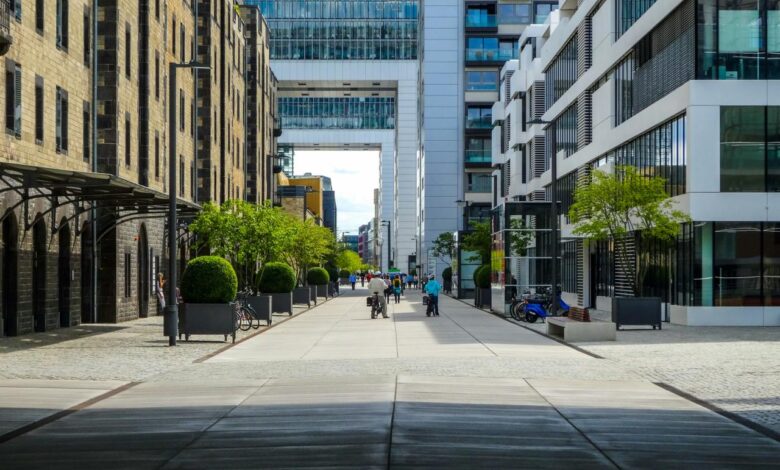
The concept of urban expansion is undergoing a massive transformation as we move toward a future that prioritizes ecological balance and economic efficiency. In the past, the construction and real estate industries focused almost exclusively on rapid growth and immediate profit margins without considering the long-term environmental footprint. Today, however, the rise of sustainable urban development has proven that being green is not just an ethical choice but a highly profitable business strategy. This shift is driven by a global demand for smarter cities that can accommodate a rising population while reducing carbon emissions and resource waste.
Modern developers are now utilizing advanced materials and digital twin technologies to create structures that are both resilient and energy-independent. Governments around the world are also supporting this movement through tax incentives and stricter zoning laws that favor eco-friendly projects. As a result, the real estate market is seeing a surge in “green premium” valuations where sustainable buildings command higher rents and better resale values.
Understanding these complex dynamics is essential for any investor or builder who wants to remain competitive in the coming decades. This article will provide a comprehensive look at how profitability and sustainability coexist within the modern urban landscape. We will explore the technical, financial, and strategic pillars that make sustainable development the most viable path for the future of our global cities.
The Financial Case for Green Building
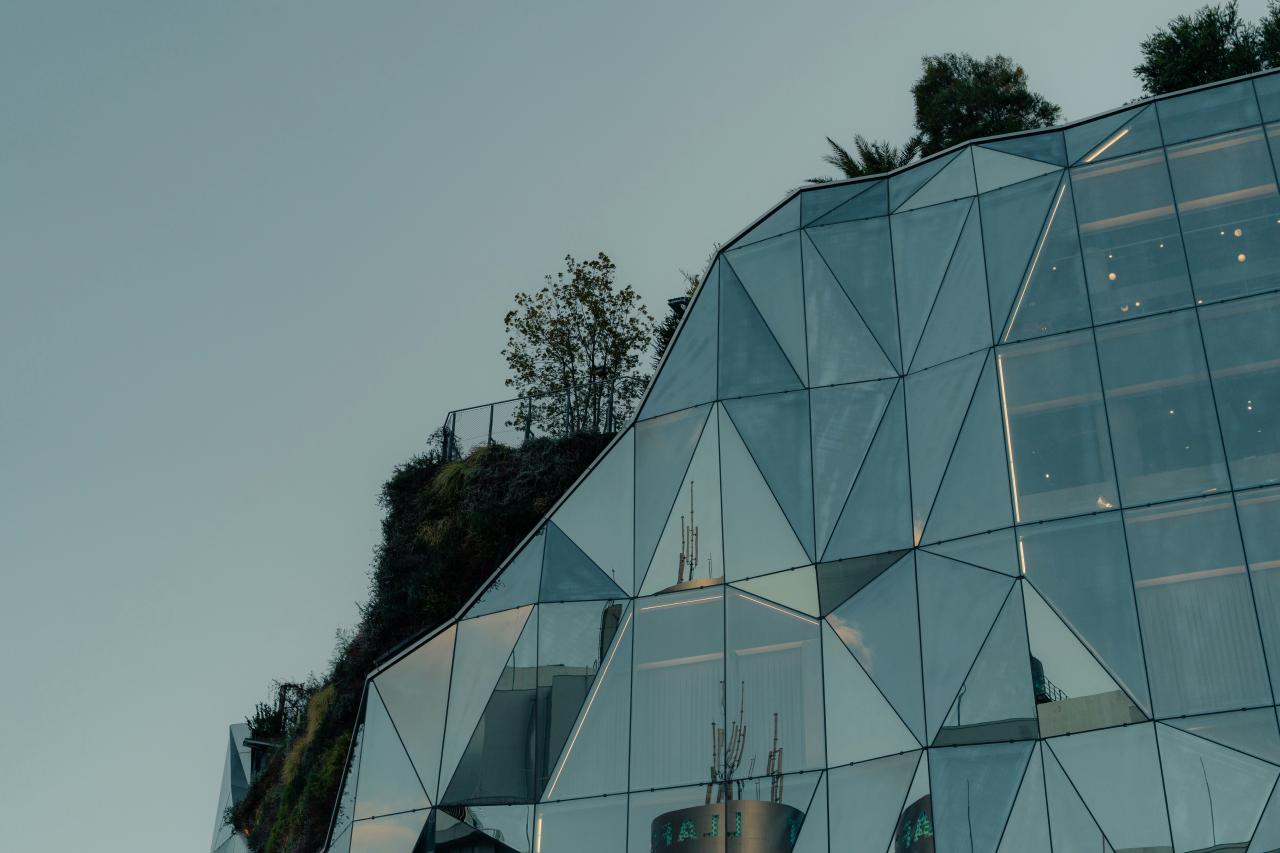
Investing in sustainable construction often requires a higher upfront cost compared to traditional methods. However, the long-term financial benefits far outweigh the initial capital expenditure. Green buildings are designed to be highly efficient, significantly lowering the monthly operational costs for utilities like water and electricity.
This efficiency creates a more attractive proposition for tenants who are looking to reduce their own overhead expenses. Furthermore, sustainable buildings tend to have higher occupancy rates and longer lease terms because they provide a healthier environment for occupants.
A. Reduced Operational Expenditures
Smart HVAC systems and high-performance insulation can reduce a building’s energy consumption by up to forty percent. These savings go directly to the bottom line, increasing the net operating income of the property over its entire lifecycle.
B. Increased Asset Valuation
Properties with green certifications, such as LEED or BREEAM, consistently sell for more than their non-certified counterparts. Investors view these buildings as “future-proofed” assets that will not be rendered obsolete by future environmental regulations.
C. Access to Green Financing
Many banks now offer “Green Loans” with lower interest rates specifically for sustainable development projects. This reduces the cost of capital for the developer, making it easier to achieve a high return on equity.
Advanced Materials and Modern Construction
The actual bones of our cities are changing as we move away from high-carbon concrete and steel. Sustainable urban development relies on innovative materials that are either recycled or produced with a significantly lower carbon footprint. These materials are often more durable and provide better thermal properties than traditional options. By adopting these new technologies, developers can create unique, high-value projects that stand out in a crowded market.
A. Cross-Laminated Timber (CLT)
CLT is a revolutionary wood product that is as strong as steel but much lighter and more sustainable. It allows for the construction of tall wooden skyscrapers that actually sequester carbon rather than emitting it.
B. Self-Healing Concrete
This material contains bacteria that produce limestone when exposed to water, allowing the concrete to fix its own cracks. This drastically reduces maintenance costs and extends the lifespan of urban infrastructure by decades.
C. Recycled and Low-Carbon Steel
Using steel made from recycled scrap or produced with green hydrogen helps minimize the environmental impact of large-scale commercial projects. This appeals to environmentally conscious corporate tenants who need to meet their own ESG goals.
Integration of Smart City Technology
A sustainable city must be a smart city, utilizing data to manage its resources with surgical precision. The Internet of Things (IoT) allows buildings to “talk” to the city’s power grid and water systems to optimize usage in real-time. Smart infrastructure reduces the strain on public services and creates a more seamless living experience for residents. This technological integration is a major selling point for high-end residential and commercial developments.
A. Automated Energy Management Systems
Buildings can now adjust their lighting and cooling based on the number of people currently in the room. This prevents the common waste associated with heating or lighting empty spaces in large office complexes.
B. Smart Water Grids and Leak Detection
Urban areas lose millions of gallons of water every year due to undetected leaks in old pipes. Smart sensors can identify these leaks instantly, allowing for rapid repairs and massive resource savings.
C. Intelligent Waste Management
Sensors in trash bins can alert collection services when they are full, optimizing the route of garbage trucks. This reduces fuel consumption and ensures that urban areas remain clean and efficient.
Urban Density and Mixed-Use Planning
Sustainable development is not just about the buildings themselves but how they are arranged within the city. Promoting urban density through mixed-use zoning reduces the need for long commutes and reliance on personal vehicles. This creates “15-minute cities” where everything a resident needs is within a short walk or bike ride. High-density, walkable neighborhoods are currently some of the most profitable real estate markets in the world.
A. Vertical Urbanism and Skyscraper Efficiency
Building upward instead of outward preserves precious green space on the outskirts of the city. Modern skyscraper designs incorporate vertical gardens and wind turbines to produce their own food and energy.
B. Adaptive Reuse of Old Structures
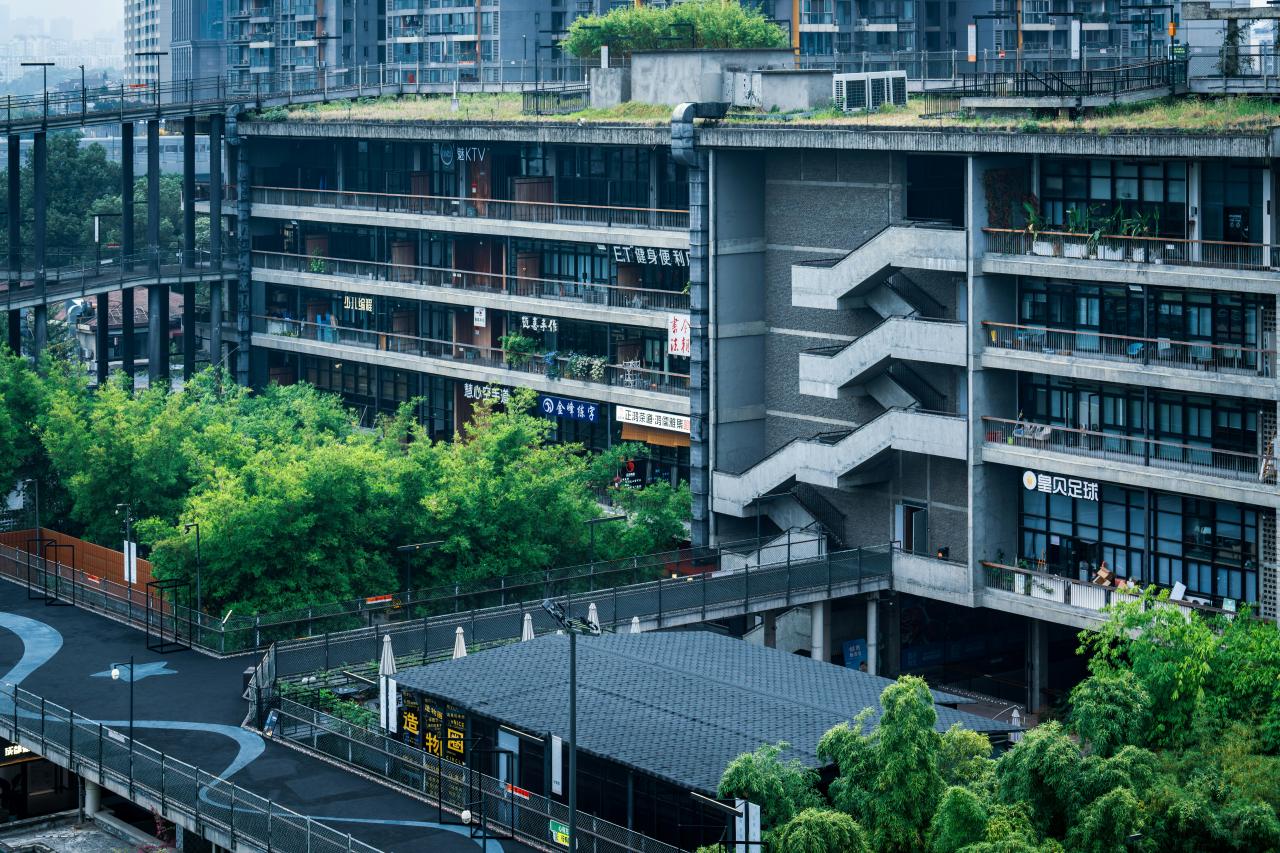
Instead of tearing down old factories or warehouses, developers are transforming them into trendy lofts or creative office spaces. This preserves the historical character of a neighborhood while reducing the waste associated with new construction.
C. Transit-Oriented Development (TOD)
Developing high-value real estate around public transportation hubs ensures a steady stream of foot traffic. TOD projects are highly resilient to economic downturns because they are located in the most accessible parts of the city.
The Role of Green Spaces and Biodiversity
Integrating nature back into the urban environment has a direct impact on property values and public health. Green roofs, vertical forests, and urban parks help mitigate the “heat island effect” that makes cities significantly hotter than the surrounding countryside. These features also improve air quality and provide psychological benefits to residents, making the development more desirable. Developers who prioritize biodiversity are finding it easier to get their projects approved by local planning boards.
A. Living Walls and Vertical Forests
Covering the facade of a building with plants provides natural insulation and filters out urban noise. These striking visual elements act as a marketing tool that helps the building command premium prices.
B. Permeable Pavement and Rain Gardens
Sustainable cities use porous materials for sidewalks and parking lots to allow rainwater to soak into the ground. This prevents urban flooding and reduces the need for expensive drainage infrastructure.
C. Urban Agriculture and Community Gardens
Providing space for residents to grow their own food fosters a sense of community and increases the “stickiness” of a rental property. It turns a standard apartment building into a lifestyle destination.
Policy, Regulation, and Incentives
The political landscape is shifting in favor of sustainable development, creating both risks and opportunities for the real estate sector. New building codes are making energy efficiency a legal requirement rather than an optional feature. However, those who stay ahead of these regulations can benefit from significant government subsidies and faster permitting processes. Understanding the local and national policy environment is a key part of any successful development strategy.
A. Carbon Taxes and Building Penalties
Many major cities are starting to fine buildings that exceed certain carbon emission limits. Investing in sustainability today is a way to avoid these massive financial penalties in the future.
B. Density Bonuses for Green Projects
Some municipalities allow developers to build extra floors or more units if they meet high sustainability standards. This “bonus” density can significantly increase the total revenue potential of a piece of land.
C. Streamlined Permitting for Eco-Friendly Designs
Government offices are often instructed to prioritize the review of projects that incorporate renewable energy or affordable housing. This saves the developer time, which is one of the most expensive factors in any construction project.
Community Engagement and Social Sustainability
A project cannot be truly sustainable if it does not have the support of the local community. Social sustainability involves creating developments that are inclusive and provide value to the existing neighborhood. This includes providing public plazas, affordable housing units, and space for local small businesses. When a community feels that a project is an asset rather than a threat, the developer faces much less resistance and legal friction.
A. Inclusive Design and Accessibility
Building spaces that are accessible to everyone, regardless of age or physical ability, ensures a wider pool of potential tenants. It also future-proofs the building as the population continues to age.
B. Supporting Local Ecosystems and Economies
Using local labor and materials reduces the transportation costs and supports the regional economy. This builds goodwill with local leaders and creates a story of regional pride around the project.
C. Public-Private Partnerships (PPP)
Collaborating with the city to build public infrastructure like parks or libraries in exchange for development rights is a common strategy. These partnerships allow for larger, more ambitious projects that benefit both the developer and the public.
Risk Management in a Changing Climate
Sustainable development is fundamentally about building resilience against a changing climate. As sea levels rise and extreme weather events become more common, traditional building methods are becoming increasingly risky. Sustainable buildings are engineered to withstand these challenges, protecting the investment for the long term. Risk management is a critical part of the valuation process for modern insurance companies and institutional investors.
A. Flood Mitigation and Resilient Foundations
Building in flood-prone areas now requires elevated structures and waterproof basements. These features may be expensive, but they are necessary to secure insurance coverage and long-term financing.
B. Energy Independence and Microgrids
Buildings that can generate their own power through solar or wind are not affected by city-wide blackouts. This reliability is highly valued by mission-critical tenants like hospitals, data centers, and research labs.
C. Extreme Heat Resistance
Passive cooling designs use the shape of the building and the direction of the wind to maintain a comfortable temperature without electricity. This protects residents during heatwaves and reduces the building’s peak demand on the power grid.
Conclusion
Sustainable urban development is the most profitable path forward for the modern real estate industry. The integration of green technology and advanced materials creates assets that are built to last for generations. Investors are increasingly prioritizing environmental performance as a key metric for long-term value. Smart cities use data to reduce waste and create a better quality of life for all residents. Urban density and mixed-use planning are the secrets to creating vibrant and resilient neighborhoods.
Nature must be brought back into the city to protect our health and our climate. Government policies and incentives are making it easier and cheaper to build green. Community support is a vital component of a project’s long-term success and stability. Building for resilience is the only way to protect capital from the risks of a changing world. The future of construction is green, smart, and incredibly profitable for those who adapt now.

