
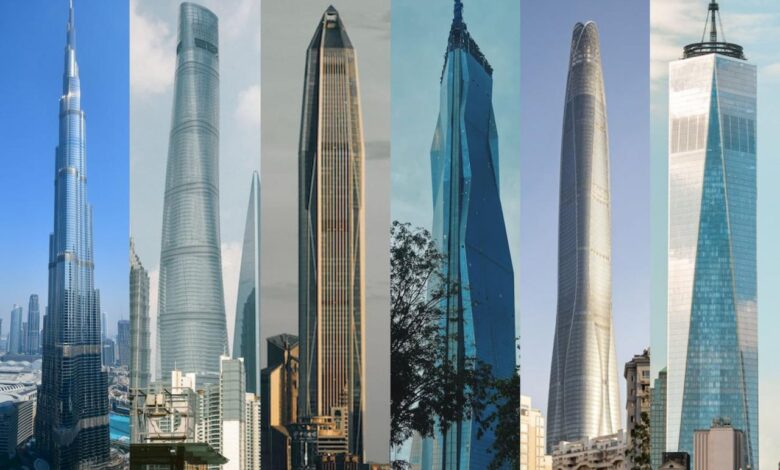
The pursuit of the sky in the 21st century continues, but the definition of a record-breaking skyscraper has fundamentally evolved. While the metric of verticality remains a potent symbol of economic power and technological prowess, the latest generation of supertall and megatall structures is setting important new benchmarks in sustainability, structural innovation, digital integration, and architectural complexity. The challenge today is not simply to build taller, but to build smarter, greener, and more resilient structures that redefine the relationship between urban density and human well-being. This record-breaking surge is driven by revolutionary construction technologies and a global commitment to creating carbon-efficient, multi-purpose vertical cities.
This extensive, in-depth analysis explores contemporary records broken by new skyscraper projects—going beyond the traditional height wars—and dissects the cutting-edge engineering and materials science that make these achievements possible. Furthermore, it analyzes the profound economic and urban impacts of these colossal developments, examines the vital role of sustainability in the future of vertical construction, and outlines the crucial challenges that must be overcome as architects and engineers continue to push the boundaries of structural and environmental feasibility.
Redefining “Record-Breaking”: Beyond Verticality
While the Burj Khalifa and Merdeka 118 retain their crowns for absolute height, the new records set are based on complexity, performance, and efficiency, reflecting the maturity of skyscraper design.
1. Structural and Architectural Records
Engineers are achieving unprecedented feats in designing complex, high-performance structural elements.
- Longest Cantilevers and Bridges: Various structures are breaking records for the length of their cantilevers—horizontal projections without supports at one end. For example, projects like The Link have shattered previous records for horizontal spans, creating massive public or commercial spaces high above the ground and reshaping the interaction between tall buildings and the urban fabric.
- Thinnest and Slenderest Ratios: New residential towers, particularly in dense urban centers like New York, are setting records for their extreme slenderness ratios (the ratio of a building’s height to its width). This requires revolutionary core stabilization techniques and tuned mass dampers to manage wind loads and sway, proving that luxury density can coexist on limited land footprints.
- Tallest Atriums and Internal Voids: Buildings are creating records for the sheer scale of their internal spaces. The integration of multi-story atriums, like those seen in some Zaha Hadid designs, provides vertical connectivity, enhanced daylight penetration, and massive, airy spaces that improve occupant well-being within the dense tower.
2. Economic and Value Records
The financial stakes and resulting market valuations of new skyscrapers are setting new global benchmarks.
- Most Expensive Land Acquisition: The value of the land upon which a landmark skyscraper is built can set records. High-profile plots in major global financial centers command staggering prices, reflecting the projected long-term economic returns and the prestige associated with hosting a world-class tower.
- Mixed-Use Integration and Value: Modern supertalls are setting records for their complexity in mixed-use integration. By seamlessly combining luxury residential, Class-A office space, high-end retail, and hospitality within one structure, they maximize revenue streams and mitigate risks associated with reliance on a single market segment.
- Leasing Rates and Rental Yields: The combination of cutting-edge design, sustainable certifications (like LEED Platinum or Passive House standards), and advanced technology allows new premium skyscrapers to command record-high rental and leasing rates, proving that quality and efficiency translate directly to economic value.
Advanced Technology: The Engineering Revolution
The ability to construct these complex, record-breaking towers safely and efficiently relies on a suite of cutting-edge technologies and advanced material science.
1. Structural and Material Innovations
Engineers must solve challenges related to weight, wind, and seismic forces at unprecedented scales.




- Ultra-High-Performance Concrete (UHPC): New skyscrapers utilize UHPC, a material with compressive strengths far exceeding standard concrete. UHPC allows for smaller, more structurally efficient columns and shear walls, reducing the building’s overall mass while increasing its strength and ability to resist extreme loads.
- Advanced Damping Systems: To manage wind-induced vibration and seismic activity, record-breaking towers incorporate sophisticated auxiliary damping devices. These include large Tuned Mass Dampers (TMDs), which are massive weights moved by hydraulic systems to counteract sway, and viscous wall dampers, which dissipate energy like a car’s shock absorber.
- Innovative Hybrid Structures: The use of composite materials, combining high-strength steel frames with concrete cores (often called the core-wall system), is a technical record. This hybrid approach optimizes stiffness, strength, and weight, providing the necessary stability for supertall heights.
2. Construction Automation and Digitalization
On-site construction speed and precision are being revolutionized by smart, integrated technology.
- Self-Climbing Formwork and Jump Forming: To achieve rapid floor-to-floor construction records, specialized self-climbing formwork systems are used. These automated platforms ascend hydraulically, carrying the necessary tools and protection systems for the core structure, streamlining the construction timeline and enhancing safety at extreme heights.
- Building Information Modeling (BIM) Integration: BIM provides a complete digital twin of the skyscraper. This digital collaboration tool is used for clash detection, logistical planning (e.g., crane path optimization), and precision manufacturing of precast elements, setting records for on-site coordination efficiency.
- High-Altitude Robotics: Robotics and sophisticated drone technologies are increasingly being used for dangerous high-altitude tasks, such as external facade inspection, welding, and material handling, improving both safety records and construction speed.
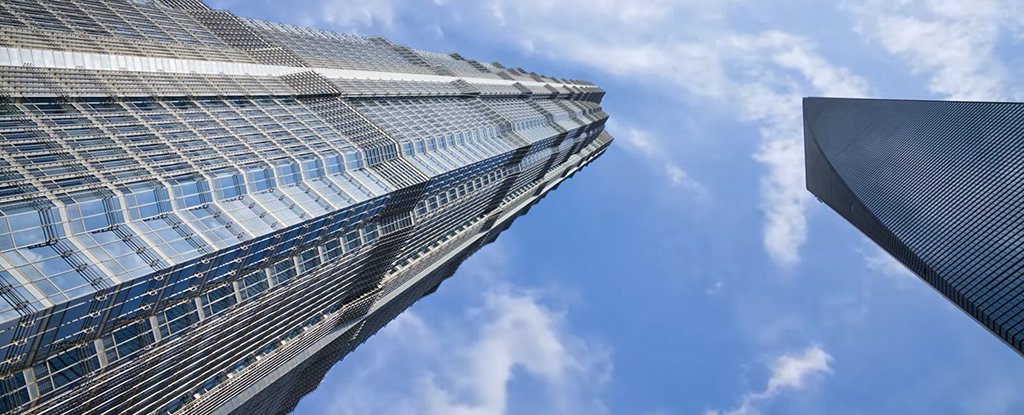 The Sustainability Record: A Green Imperative
The contemporary measure of a great skyscraper is intrinsically linked to its environmental performance, moving beyond simple aesthetics to deep operational efficiency.
1. Embodied and Operational Carbon Reduction
New skyscrapers are setting records for minimizing their entire lifecycle carbon footprint.
- Low-Carbon Materials Sourcing: The drive for sustainability pushes projects to use recycled steel, locally-sourced materials, and cement with lower embodied carbon. This focus minimizes the environmental impact associated with the manufacturing and transportation of construction materials.
- Passive Design Strategies: Buildings are setting records for their reliance on passive strategies. Curved or tapered building shapes are designed to aerodynamically redirect wind force, reducing the structural requirement for mass and material. Optimized facade design (like double-skin facades or high-performance glazing) maximizes daylight while minimizing heat gain.
- Renewable Energy Integration: Modern towers integrate renewable energy systems directly into the design. Building-Integrated Photovoltaics (BIPVs) on the façade, and high-altitude wind turbines are used to offset energy consumption, pushing buildings towards record levels of net-zero or near-net-zero operation.
2. Water and Resource Management
Resource efficiency within the building’s operation is a new frontier for record-setting.
- Advanced Water Harvesting Systems: Skyscraper designs incorporate complex systems for rainwater harvesting and graywater recycling. This recovered water is used for irrigation, cooling tower make-up water, and toilet flushing, achieving record reductions in reliance on municipal water sources.
- High-Efficiency HVAC Systems: New ventilation technologies, such as utilizing the building’s height for natural stack effect ventilation and implementing high-efficiency heat recovery systems, set records for reducing the energy consumption of heating, ventilation, and air conditioning (HVAC)—often the largest energy user in a tall building.
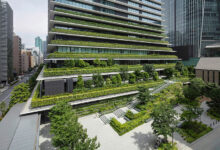
- Biophilic Design Integration: The incorporation of extensive green terraces, vertical gardens, and planted atriums (biophilic design) sets a record for bringing nature into the dense urban environment, improving air quality and occupant well-being.
Economic and Urban Impact of Record Towers
The construction of record-breaking skyscrapers serves as a potent economic catalyst, though it also carries inherent market risks.
1. Catalyst for Urban Regeneration
A landmark tower often acts as an economic anchor, accelerating development in surrounding areas.
- Increased Property Value: The presence of a supertall skyscraper significantly increases the property values of nearby commercial and residential real estate, generating substantial wealth and tax revenue for the host city.
- Foot Traffic and Ancillary Business: Record-setting towers, especially those that are mixed-use, generate massive daily foot traffic, creating a robust ecosystem for surrounding retail, food and beverage, and service businesses, enhancing the vitality of the urban core.
- Global Prestige and FDI: A world-record skyscraper is an immediate symbol of a city’s ambition, attracting global media attention, tourism, and crucial Foreign Direct Investment (FDI), serving as a non-verbal advertisement for economic confidence.
2. The “Skyscraper Index” and Financial Risk
Economic theory posits a correlation between the pursuit of record height and market volatility.
- The Skyscraper Effect: Economists sometimes refer to the “Skyscraper Index” or “Skyscraper Curse,” which suggests that the completion of the world’s tallest building often coincides with an impending economic recession. This theory posits that the financing required for such projects indicates a peak of “irrational exuberance” in the market.
- Volatility in Long-Term Projects: Due to the decade-plus construction timelines of megatall projects (e.g., Jeddah Tower), developers face record exposure to market volatility, material cost fluctuations, and shifts in demand, necessitating innovative financing and risk mitigation strategies.
- Mixed-Use as Risk Mitigation: The shift to mixed-use towers is a strategic response to the Skyscraper Index, as diversifying revenue streams across residential, commercial, and hotel occupancy provides greater financial resilience against downturns in any single sector.
Future Horizons: The Next Records
The trajectory of skyscraper development points toward a future where modularity, mega-scale, and complete digital integration define the next set of records.
1. Modular and Pre-Fabricated Structures
Future records will be set not by height, but by the speed and efficiency of assembly.
- High-Rise Modularity: Utilizing sophisticated factory precision, entire segments of the building—including mechanical systems and internal fittings—will be pre-fabricated and assembled on-site. This modular approach is set to break records for the shortest on-site construction timelines for supertall buildings.
- Mass Timber Supertalls: The next frontier involves pushing the structural limits of mass timber (like Cross-Laminated Timber or CLT) in high-rise construction, aiming to set records for the tallest commercial timber buildings, significantly reducing the embodied carbon of the structure.
- Adaptive Structure Records: New towers will incorporate smart facades and structural elements that actively adapt their shape or thermal properties in real-time based on internal occupancy, solar intensity, and wind speed, setting records for operational energy efficiency and occupant comfort.
2. The Vertical City Ecosystem
The final record is the seamless integration of technology and urban infrastructure.
- Seamless Urban Mobility: Future towers will break records for integrating public transport, autonomous vehicle parking, and vertical drone logistics (for deliveries) directly into their base and vertical transportation systems.
- Data-Driven Operation: The entire building will operate as a single, massive IoT network. AI will manage energy consumption, security, air quality, and maintenance based on billions of data points collected hourly, setting records for efficiency and personalized occupant experience.
- Resilience to Extreme Climate: New standards will emerge for designing skyscrapers to withstand more intense and frequent climate events (hurricanes, heatwaves, flooding), setting records for extreme climate resilience and operational continuity.
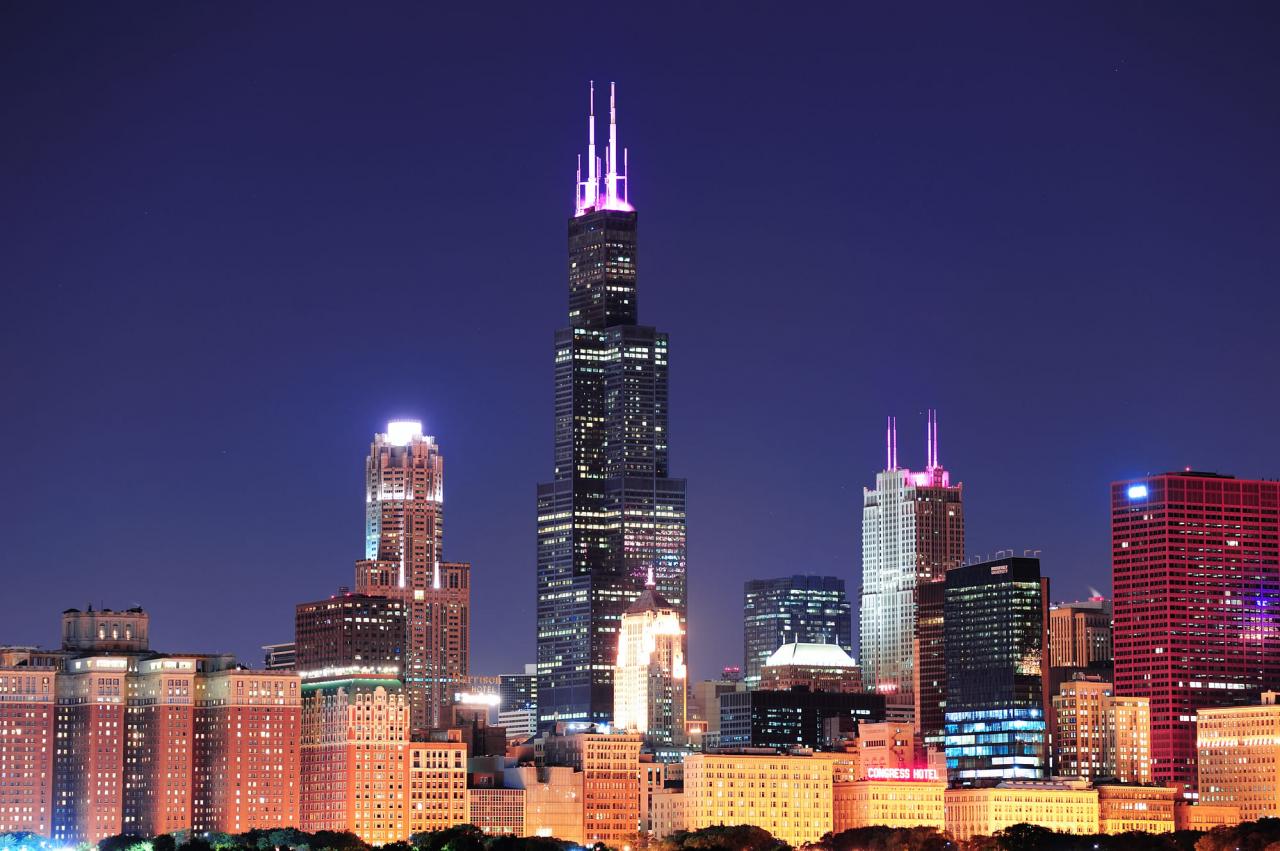 Conclusion: Engineering the Vertical Future
The current skyscraper boom is setting new records, driven by innovations that prioritize intelligence and sustainability, not just height. This new benchmark of success is defined by the flawless execution of complex cantilevers, superior façade energy performance, and the seamless integration of diverse urban functions.
As architects and engineers employ ultra-high-performance materials, advanced robotic construction techniques, and comprehensive digital twinning, they are not just building taller structures; they are also designing fully optimized and environmentally responsive vertical cities.
Mastering the delicate balance between structural ambition and ecological responsibility is a defining challenge, ensuring that these record-breaking towers remain enduring symbols of human ingenuity and a sustainable urban future.

