
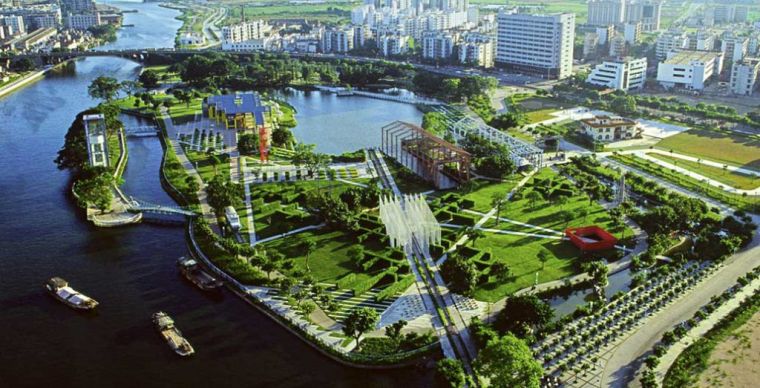
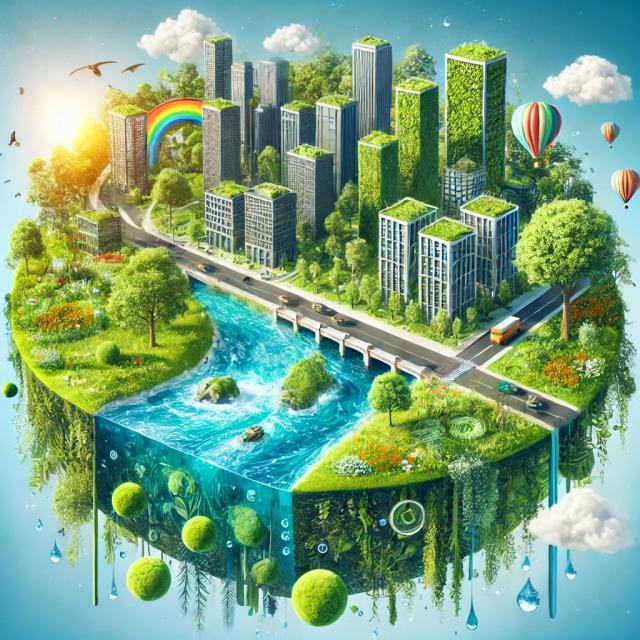
The world’s cities are the epicenters of both population growth and climate vulnerability. Rapid, unmanaged urbanization has led to the replacement of natural, permeable landscapes with vast expanses of impervious concrete and asphalt. This systemic shift has crippled the natural water cycle, resulting in two devastating extremes: catastrophic urban flooding during intense rainfall and debilitating water scarcity during dry seasons. The traditional solution—massive “grey infrastructure” like pipes, pumps, and drainage systems—is often overwhelmed, prohibitively expensive, and fails to address the underlying ecological imbalance. The paradigm shift required is encapsulated in the concept of the “Sponge City”—an innovative, nature-based approach to urban planning that designs cities to actively absorb, clean, store, and release water, fundamentally integrating the urban environment with the natural water cycle to build resilience against climate change.
This extensive analysis delves into the core philosophy and principles of the Sponge City model, dissects the specific Sustainable Urban Drainage Systems (SUDS) and green infrastructure technologies utilized, explores the profound economic and ecological benefits that make this concept a global urban priority, examines the critical challenges of implementation and governance, and highlights successful case studies demonstrating the pathway to climate-resilient urban living.
The Philosophy: Why Cities Must Become Sponges
The Sponge City model, pioneered by landscape architect Kongjian Yu in China, is rooted in the philosophy of working with nature rather than fighting it, creating an adaptive, resilient urban hydrology.
1. The Failure of Grey Infrastructure
Traditional water management systems prioritize the rapid channeling of rainwater away from urban areas, exacerbating environmental and urban problems.
- Oversized and Overwhelmed: Conventional drainage systems are costly to build and maintain. During increasingly intense and unpredictable storm events (a hallmark of climate change), they are quickly overwhelmed, leading to destructive flash floods.
- Water Scarcity Exacerbation: By shunting rainwater directly into rivers or the sea, traditional drainage prevents groundwater recharge, contributing significantly to water shortages during prolonged dry spells. The resource is treated as waste, not an asset.
- Heat Island Effect: Massive concrete and asphalt surfaces not only repel water but also absorb and re-radiate heat, contributing to the severe Urban Heat Island (UHI) effect, which dangerously elevates urban temperatures.
2. The Principles of “Capture, Clean, Store, and Release”
The Sponge City model follows a sequence of actions designed to mimic the natural hydrological cycle of a pre-urbanized landscape.
- Source Control: Managing rainwater as close as possible to where it falls (at the source), preventing rapid surface runoff. This involves using permeable surfaces and green roofs on individual properties.
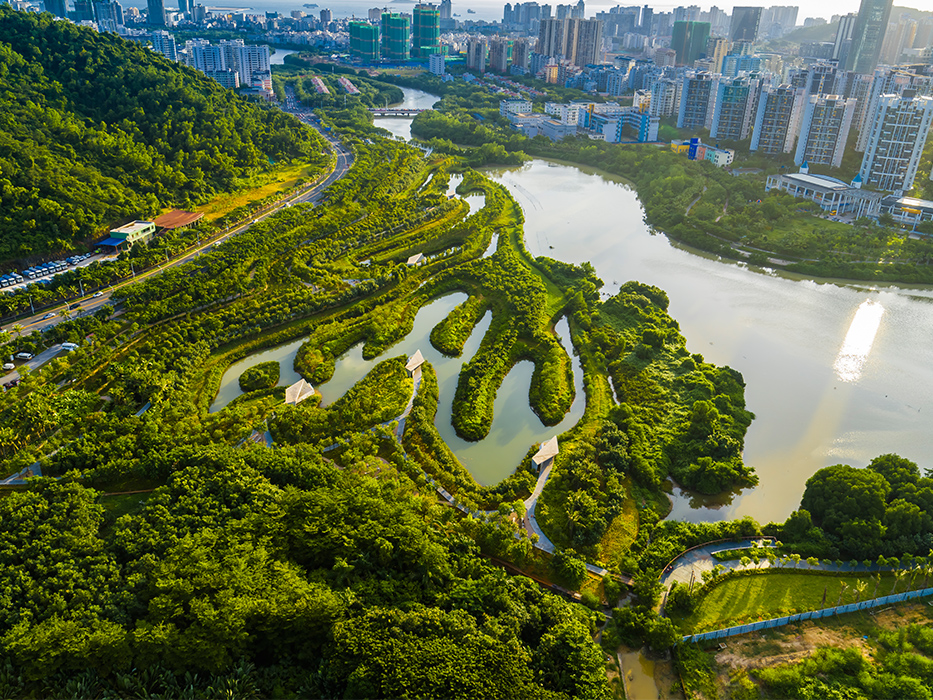
- Decentralized Storage: Utilizing a distributed network of basins, swales, and ponds across the urban landscape to temporarily store large volumes of water during peak rainfall, slowing the flow before it can overwhelm major drainage channels.
- Natural Purification: Leveraging natural processes, such as bio-filtration through soil and vegetation, to passively clean polluted stormwater runoff before it infiltrates the ground or enters open waterways.
- Slow Release and Reuse: Slowly releasing stored water back into the environment (for groundwater recharge) or collecting it for non-potable uses like irrigation, ensuring the resource is conserved for periods of drought.
The Toolkit: Sustainable Urban Drainage Systems (SUDS)
The implementation of the Sponge City concept relies heavily on Nature-Based Solutions (NBS) and specific green infrastructure techniques collectively known as Sustainable Urban Drainage Systems (SUDS) or Low Impact Development (LID). These solutions are highly multifunctional.
1. Permeable Pavement and Surfaces
Replacing impervious surfaces with materials that allow water to infiltrate the ground.


- Porous Asphalt and Concrete: Engineered materials with a high void content that allow rainwater to pass directly through the surface layer into a stone sub-base where it is stored and slowly infiltrates.
- Paving Stones and Grids: Interlocking pavers with gaps that allow grass or gravel to grow, maintaining a load-bearing surface while maximizing permeability for parking lots, sidewalks, and low-traffic areas.
- Infiltration Trenches and Filter Drains: Shallow, rock-filled trenches often lined with geotextiles that capture surface runoff and facilitate rapid infiltration into the subsoil, often used along the edges of roads and parking areas.
2. Green Infrastructure for Storage and Filtration
Integrating vegetation and specialized topography to manage water on the surface.
- Bioretention Areas and Rain Gardens: Depressed landscape areas planted with specific, often native, vegetation and engineered soil layers designed to temporarily hold and filter stormwater runoff from roofs, driveways, and sidewalks.
- Swales (Vegetated Channels): Shallow, broad, vegetated channels designed to convey stormwater slowly while encouraging infiltration and reducing the velocity and volume of runoff. They replace traditional concrete gutters.
- Green Roofs (Extensive and Intensive): Rooftops covered with vegetation and specialized substrate layers. They intercept and hold rainfall, reducing the volume of water reaching the ground, while providing insulation and mitigating the UHI effect.
3. Blue Infrastructure and Deep Storage
Utilizing open water bodies and underground systems for large-scale management.
- Constructed Wetlands and Detention Basins: Large, engineered water features that function as flood storage during storms. Wetlands also provide critical habitats for urban wildlife and perform highly efficient, natural water purification.
- Deep Infiltration Systems and Wells: Vertical structures designed to rapidly channel large volumes of captured, pre-filtered water directly down to deep aquifers, actively recharging groundwater supplies crucial for long-term water security.
- Underground Storage Tanks (Cisterns): While more akin to grey infrastructure, large underground tanks are used in dense urban areas to store rainwater for later non-potable use (e.g., toilet flushing, irrigation), essential for reducing overall demand on potable water supply.
The Multidimensional Benefits: Beyond Flood Control
The Sponge City model provides a holistic suite of economic, ecological, and social benefits that justify the high initial investment.
1. Economic Benefits and Cost-Effectiveness
NBS solutions are often more financially viable and offer greater added value than traditional “grey” alternatives.
- Reduced Flood Damage Costs: By significantly mitigating the frequency and severity of urban flooding, Sponge City measures reduce the enormous financial cost associated with property damage, infrastructure repair, business interruption, and insurance payouts.
- Lower Infrastructure Lifecycle Costs: While initial construction costs may be comparable, the long-term operation, maintenance, and replacement costs of green infrastructure (swales, rain gardens) are typically much lower than those for complex underground pipe networks and massive pumping stations.
- Increased Property Value: The integration of well-designed, functional green spaces, parks, and water features dramatically enhances urban aesthetics and quality of life, leading to increased property values and investment attractiveness.
2. Ecological and Environmental Uplift
Sponge City measures deliver measurable improvements in urban biodiversity and microclimate regulation.
- Urban Heat Island Mitigation: Green roofs, vegetated facades, and urban parks increase evapotranspiration, providing localized cooling that can significantly lower ambient air temperatures during heat waves, enhancing public health.
- Water Quality Improvement: Bio-filtration through plants and soil effectively removes common urban pollutants (heavy metals, oil, sediment, nutrients) from stormwater runoff, protecting the health of local rivers, lakes, and coastal ecosystems.
- Biodiversity Enhancement: The creation of diverse habitats like wetlands, rain gardens, and ecological corridors within the city supports urban wildlife (birds, insects, pollinators), improving the overall ecological richness of the urban environment.
3. Social and Health Benefits
The model directly improves the quality of life for urban residents.
- Improved Air Quality: Increased urban vegetation acts as a natural filter, trapping airborne pollutants and particulates, leading to better respiratory health for residents.
- Recreational Space: Detention basins and ecological parks double as beautiful public amenities and recreational areas (e.g., sports fields, walking paths) during dry weather, fostering community well-being and social cohesion.
- Climate Resilience and Security: By addressing both flooding and drought, the Sponge City provides a tangible sense of security and stability, which is essential for attracting and retaining residents and businesses in the face of escalating climate uncertainty.
 Implementation Challenges and Strategic Governance
The transition to a Sponge City model is a complex, long-term endeavor that requires overcoming institutional and technical hurdles.
1. Governance and Institutional Inertia
The biggest obstacle is often organizational rather than technical.
- Fragmented Responsibilities: Traditional city governance often compartmentalizes water management (utility companies), urban planning (land-use departments), and parks management (public works). Successful Sponge Cities require integrated, cross-departmental governance to manage water holistically.
- Funding Mechanisms: Developing sustainable funding sources for the construction and, crucially, the long-term maintenance of green infrastructure is a significant challenge. Innovative financing, such as dedicated stormwater fees or green bonds, is often required.
- Legal and Regulatory Barriers: Existing building codes and zoning laws often favor conventional grey infrastructure. Governments must update regulations to mandate permeable surfaces, green roofs, and the integration of SUDS in all new developments and retrofits.
2. Technical and Engineering Hurdles
Specific site conditions require tailored, specialized engineering.
- Soil Suitability: The effectiveness of infiltration-based SUDS is highly dependent on underlying soil type. Areas with dense clay (low permeability) or high groundwater tables require alternative strategies like attenuation or bioretention without infiltration.
- Legacy System Integration: Retrofitting Sponge City features into existing, densely developed urban areas with extensive, aging grey infrastructure is complex and costly, requiring sophisticated digital modeling to predict impacts.
- Long-Term Maintenance: Green infrastructure requires specialized, ongoing maintenance (e.g., pruning vegetation, clearing sediment from trenches) which is different from maintaining pipes and pumps, necessitating new skillsets for city workers.
3. Leveraging Advanced Technology and Data
Digital tools are essential for the planning, implementation, and long-term optimization of Sponge Cities.
- Hydro-Ecological Modeling: Using advanced simulation tools (e.g., Computational Fluid Dynamics and AI-enhanced models) to accurately predict water flow, infiltration rates, and the impact of different SUDS scenarios across the entire urban watershed.
- Real-Time Monitoring: Deploying sensor networks (IoT) in green roofs, storage tanks, and drainage channels to collect real-time data on water levels, flow velocity, and water quality. This data allows city managers to dynamically optimize the system’s performance.
- Digital Twins: Creating digital replicas of the city’s water infrastructure to test maintenance schedules, simulate extreme weather events, and train operators, ensuring preparedness and continuous improvement.
Conclusion
The global embrace of the Sponge City concept signifies a pivotal moment in urban resilience planning. It is a comprehensive strategy that transcends simple flood control, recognizing that water is the lifeblood of a healthy, sustainable urban ecosystem. By transitioning from the linear, destructive model of draining water away to the cyclical, regenerative model of capturing, purifying, storing, and utilizing it, cities worldwide are building a robust defense against the destabilizing forces of climate change. The successful city of the future will not be the one with the biggest pipes, but the one that most successfully integrates natural systems into its core fabric. This strategic investment in green infrastructure yields massive returns, securing not only physical safety from flooding and drought but also economic prosperity, ecological health, and improved quality of life for its citizens. The sponge is the blueprint for the climate-resilient metropolis.

