
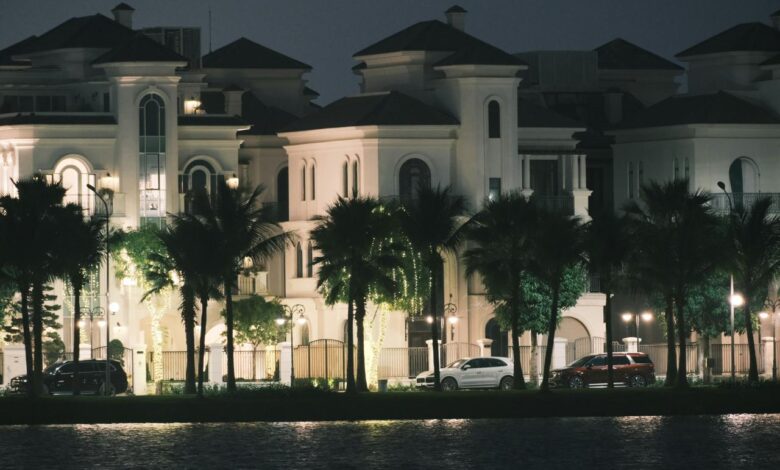
The evolution of modern housing has transitioned from basic structural engineering into a highly sophisticated discipline of luxury residential orchestration and elite spatial scaling. We are currently navigating a high-velocity era where the shell of a home is no longer just a protective barrier but a core requirement for institutional-grade lifestyle resilience and asset appreciation. This deep shift in the global architectural landscape requires a profound understanding of structural physics, advanced material science, and the logistical discipline needed to manage complex high-end construction timelines. For the modern property developer or the visionary homeowner, mastering the mechanics of residential scaling is a fundamental pillar for securing a legacy in a market that increasingly demands both aesthetic grandeur and technical perfection.
Achieving master status in this domain involves more than just stacking bricks; it requires a radical re-imagining of building envelopes, site orientation, and the complex chemistry of sustainable, high-density materials. This guide is designed to deconstruct the complex layers of the modern architectural ecosystem, providing a comprehensive roadmap for transforming a physical blueprint into a high-performance engine of long-term value. By focusing on the synergy between innovative exterior design and systemic structural efficiency, you can build a residential masterpiece that thrives by standing the test of environmental and economic time. Let us explore the pillars of architectural sovereignty and discover how to build a legacy of luxury excellence that flourishes in an era of rapid structural acceleration.
The Foundation of Strategic Site Analysis
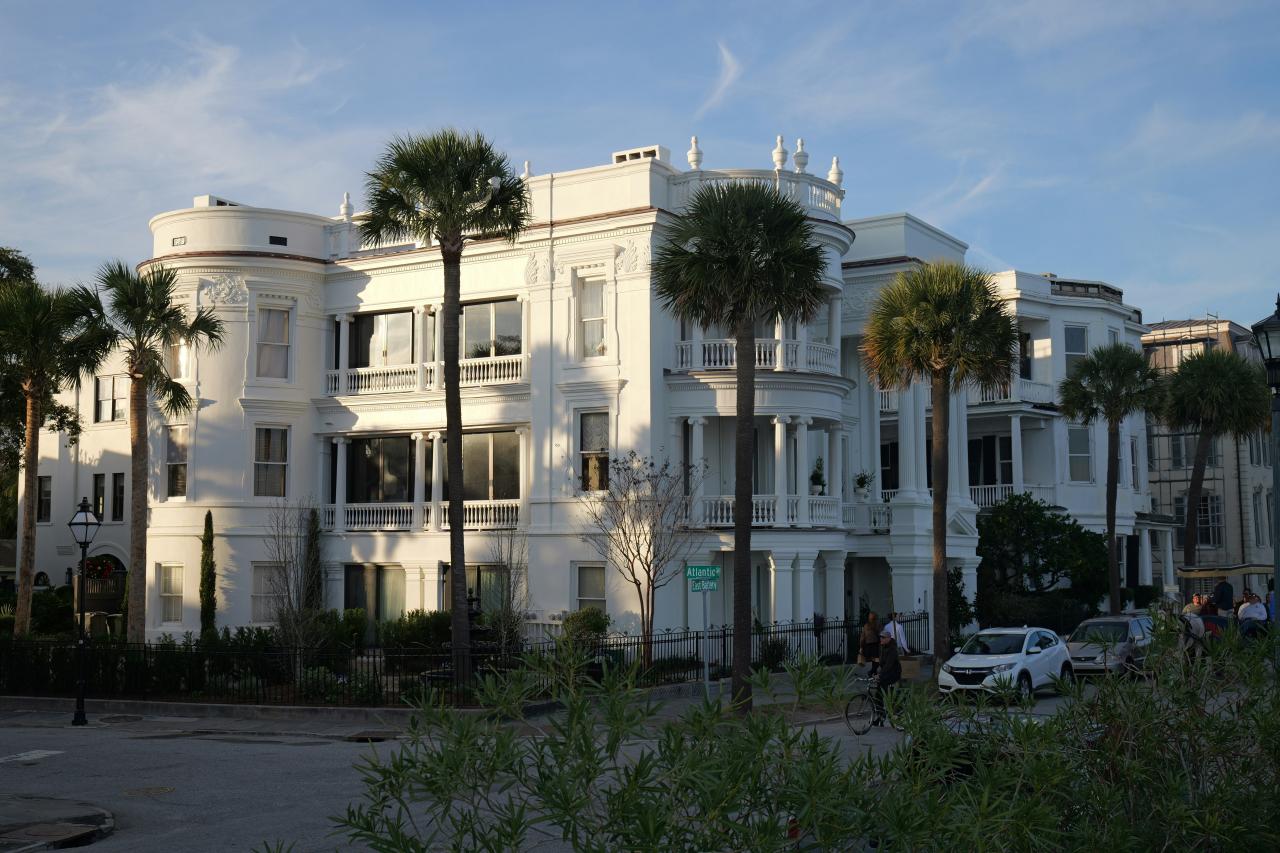
Building a resilient luxury residence begins long before the first shovel hits the ground. You must treat the land as a dynamic partner that dictates the fundamental limits of your architectural vision.
A. Topographical Evaluation and Grade Optimization
The bedrock of a successful build is a deep understanding of the land’s natural contours. By utilizing advanced laser scanning, architects can design foundations that work with the earth rather than against it. This reduces long-term settling issues and allows for dramatic “cantilevered” designs that define the luxury aesthetic.
B. Solar Orientation and Passive Energy Mapping

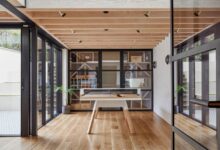

The way a home sits in relation to the sun determines its thermal soul. Strategic placement of the building mass can naturally heat a home in the winter and cool it in the summer. This biological alignment is a technical requirement for any modern home seeking to minimize its operational carbon footprint.
C. Hydrological Flow and Drainage Infrastructure
Water is the most destructive force in the natural world for any building. Designing sophisticated sub-surface drainage systems ensures that the structural integrity of the foundation remains uncompromised for decades. Proper water management is the “invisible architecture” that preserves the value of the visible luxury above.
Advanced Structural Frameworks for Scaling
Scaling a residence involves more than just adding rooms; it requires a structural logic that allows the building to grow without losing its aesthetic or functional coherence.
A. Steel-Frame Skeleton and Open-Span Logic
Modern luxury architecture often relies on industrial-grade steel skeletons to create massive, open-plan spaces. This removes the need for intrusive load-bearing walls, allowing for a seamless transition between interior and exterior worlds. A steel frame provides the physical strength needed for large-scale glass installations that are a hallmark of elite design.
B. Modular Core Systems and Vertical Expansion
Thinking of a home as a series of integrated modules allows for future scaling with minimal disruption. By centralizing the “utility core”—plumbing, electrical, and HVAC—you create a flexible perimeter that can be expanded or reconfigured. This foresight is a primary marker of a high-value architectural investment.
C. Load-Bearing Masonry and Thermal Mass Integration
For homes in extreme climates, using heavy masonry provides a thermal battery that regulates internal temperatures. This ancient logic, combined with modern insulation materials, creates a “passive” luxury that feels solid and permanent. It is the architectural equivalent of a fortress that breathes.
Material Science and the Aesthetics of Permanence
The materials you choose for the exterior are the “skin” of your home, and they must be both beautiful and indestructible. High-performance exteriors are the key to long-term market sovereignty.
A. High-Performance Glass and Structural Glazing
Glass is no longer a weak point in the building envelope. Triple-paned, argon-filled units with low-emissivity coatings provide better insulation than traditional wood walls. Structural glazing allows for “glass corners” that dissolve the boundaries of the home, offering a high-definition connection to the landscape.
B. Self-Healing Concrete and Advanced Composite Facades
The next generation of luxury homes uses materials that can actually repair themselves over time. Bacterial-infused concrete can seal its own cracks, preventing the rebar corrosion that plagues older buildings. Composite facades offer the look of natural wood or stone without the maintenance requirements of traditional organic materials.
C. Zinc, Copper, and Natural Metal Cladding
Metals like zinc and copper develop a “patina” that protects the material from further corrosion. This aging process adds a layer of historical depth to the home, ensuring that it looks better twenty years after construction than it did on day one. Metal cladding is the ultimate statement of architectural longevity.
Technical Optimization of the Building Envelope
The building envelope is the barrier between the controlled luxury of the interior and the chaos of the exterior world. It must be a perfectly sealed system.
A. Vapor Barriers and Breathable Membrane Systems
A house must breathe to prevent mold, but it must be airtight to save energy. Modern membranes allow water vapor to escape from the inside while preventing liquid water and air from entering from the outside. This “one-way” valve is a core requirement for a healthy and durable luxury home.
B. Continuous Exterior Insulation (CI) Protocols
Traditional insulation between studs creates “thermal bridges” where heat escapes. Continuous exterior insulation wraps the entire home in a thermal blanket, eliminating these bridges and significantly reducing energy costs. This is the gold standard for high-performance residential engineering.
C. Impact-Rated Openings and Environmental Defense
In an era of increasing weather volatility, windows and doors must be able to withstand extreme wind loads and flying debris. Impact-rated glass provides a level of security that traditional glass cannot, acting as a transparent shield for the home’s occupants. Defense is a silent but vital component of luxury.
The Neurobiology of Spatial Externalities
The exterior of a home doesn’t just sit in the landscape; it changes the way the inhabitants perceive their place in the world.
A. Biophilic Facades and the Human Nervous System
Integrating living green walls or natural textures into the exterior design lowers the cortisol levels of those approaching the house. The human brain is hard-wired to respond to “fractal” patterns found in nature. A home that mimics these patterns acts as a biological “reset button” for its owners.
B. The Psychology of the Threshold and Entry Sequence
The transition from the public street to the private sanctuary should be a choreographed experience. Using light, sound, and changes in material underfoot prepares the brain for a state of relaxation. This “ceremony of arrival” is a primary catalyst for the emotional value of a luxury residence.
C. Lighting Design as a Circadian Regulator
Exterior lighting shouldn’t just be about safety; it should respect the natural rhythms of the earth. Using warm-spectrum, downward-facing lights prevents light pollution and supports the local ecosystem. For the owner, this gentle illumination provides a sense of peace and security without the harshness of industrial floodlights.
Navigating the Economics of Large-Scale Construction
Building a luxury home is a massive financial undertaking that requires the same discipline as a corporate merger. Efficiency in the build process is the silent driver of total project success.
A. Phased Construction and Capital Allocation
For very large estates, building in phases allows for the management of cash flow and the refinement of design over time. You can prioritize the “primary” living structures while leaving guest houses or sports complexes for a later date. This strategic approach reduces the psychological and financial burden on the owner.
B. The Value of Sustainable Certifications (LEED, Passive House)
Investing in high-level environmental certifications pays dividends in the form of increased resale value and lower operating costs. These “green” badges are increasingly viewed as a requirement for the global elite who want their homes to reflect their values. A certified home is a future-proofed asset.
C. Pre-Construction Modeling and Virtual Reality (VR) Previews
Mistakes on a construction site are expensive; mistakes in a digital model are free. Using VR to walk through a home before a single brick is laid allows for the optimization of sightlines and spatial flow. This digital “twin” is a core tool for the modern architectural strategist.
Cultivating High-Performance Construction Teams
The best design in the world is worthless if the execution is flawed. You must build a team of craftsmen who operate at the same level of excellence as the architect.
A. Integrated Project Delivery (IPD) Frameworks
IPD brings the architect, engineer, and contractor together from day one of the design process. This collaborative approach reduces “change orders” and ensures that everyone is working toward the same goal. It is the most efficient way to manage the complexity of a luxury build.
B. Specialized Artisans and Material Experts
A luxury home often requires skills that a general contractor does not possess. Hiring specialized stonemasons, metalworkers, and glass technicians ensures that the fine details of the home are executed to a museum-grade standard. Quality is found in the hands of the experts.
C. Rigorous Quality Control and Site Supervision
On a large-scale project, daily inspections are a technical requirement to catch errors before they are covered up by drywall or stone. A dedicated “owner’s representative” acts as your eyes and ears on-site, ensuring that the vision is being followed to the millimeter.
Scaling Through Landscape and Hardscape Integration
The architecture of a home does not stop at the walls; it extends into the horizon. Hardscaping is the “connective tissue” that binds the house to the land.
A. Infinity Edges and Water-Body Engineering
Water features like pools and ponds should be designed as structural extensions of the home. An “infinity edge” creates a visual link between the domestic water and the natural world beyond. This engineering feat is a hallmark of high-level luxury scaling.
B. Outdoor Living Rooms and Seasonal Adaptability
Expanding the “habitable” zone of a home into the exterior requires careful planning for climate control. Outdoor kitchens with integrated heating and cooling allow for the use of the exterior year-round. This effectively increases the “living” square footage of the home without adding to the building’s footprint.
C. The Role of Native Landscaping in Ecosystem Restoration
Using plants that are native to the region ensures that the home supports local bird and insect populations. This “regenerative” approach to landscaping is the ultimate luxury, as it creates a private park that thrives with minimal human intervention. It is the architecture of life itself.
The Future of Autonomous Residential Systems
As technology advances, the home is becoming a sentient machine that manages its own health and security.
A. Smart Micro-Grids and Energy Independence
Luxury homes are increasingly being designed with their own solar arrays and battery storage systems. This allows the home to operate entirely off the grid if necessary, providing the ultimate form of domestic sovereignty. Energy independence is the new “gold standard” of luxury.
B. AI-Driven Maintenance and Predictive Repair
Embedded sensors in the foundation and roof can alert the owner to a potential leak or structural shift before it becomes a disaster. This “health monitoring” for buildings ensures that the home remains in peak condition for a lifetime. The home of the future will tell you when it needs a check-up.
C. 3D Printing and Robotic Construction Scaling
The use of robotics in construction allows for complex, organic shapes that were previously too expensive to build. 3D-printed concrete walls can be created with internal insulation and utility paths already in place. This technical breakthrough is redefining what is possible in residential architecture.
Conclusion
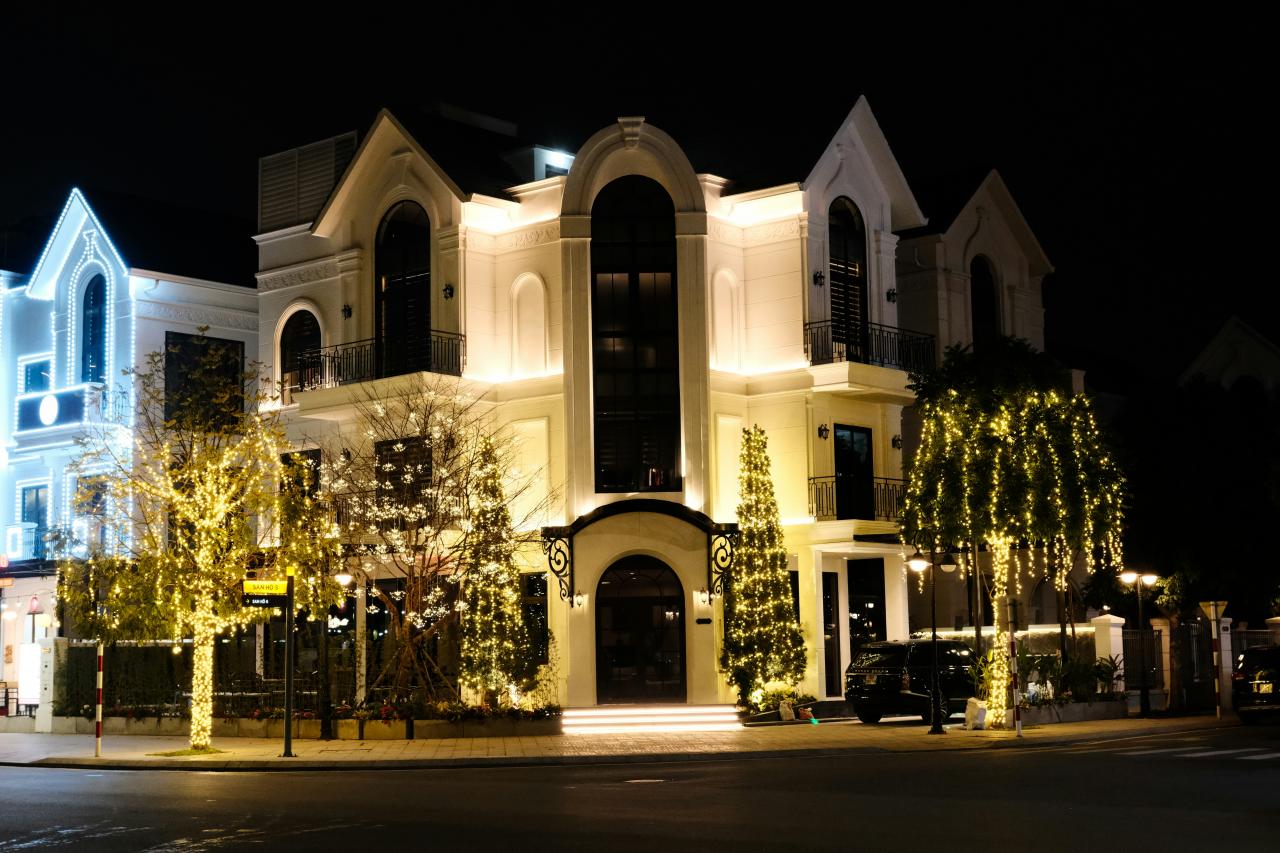
Strategic luxury residential architecture is the primary key to achieving structural sovereignty. This journey requires a disciplined balance of aesthetic vision and rigorous technical execution. Every homeowner must take full responsibility for the governance of their own architectural assets. The ability to scale a residence offers a revolutionary way to build a legacy of permanence. Systemic complexity should be embraced as the mechanism that creates a massive market advantage. A successful luxury build is founded on the principles of material purity and site orientation. Continuous learning is the only way to keep pace with the rapid innovation of structural science.
Emotional discipline is more important than raw budget when making long-term design choices. Rigorous documentation of the build process ensures that the home remains a high-value asset. The shift toward high-performance residential scaling is an unstoppable force in modern design. By following these strategic blueprints, you position your project on the right side of the green revolution. Architecture is not just about shelter but about the freedom that a resilient home provides. The systems provided here are your roadmap to navigating the complex world of luxury construction. Focus on the materials, ignore the superficial trends, and stay committed to your long-term vision.
True architectural sovereignty is the ultimate goal of every elite builder in the residential space. The future of housing is modular, sustainable, and ready for those brave enough to dream it. The road to prosperity is paved with steel, stone, and the courage to build for the centuries. Maintaining your home is a form of respect for the materials that provide your security. Success is measured by the health of the environment you create within your own boundaries. Always remember that a house is a machine for living, and it must be built to last. The architecture of your life is defined by the quality of the spaces you choose to inhabit. Take control of your structural destiny today by mastering the art of the luxury residential system.

