
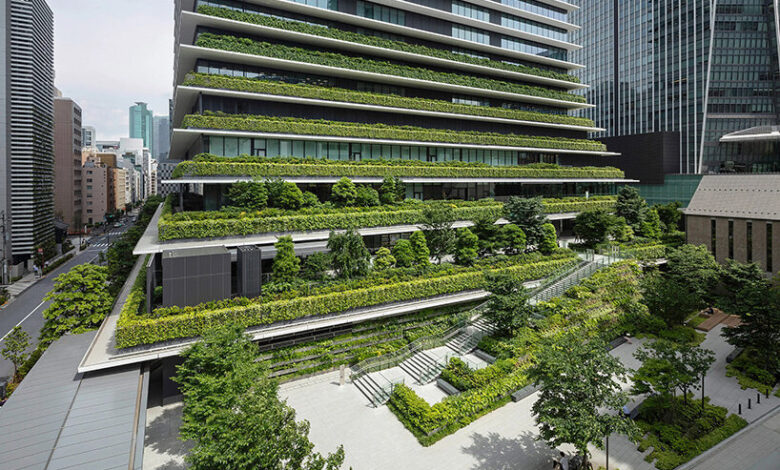
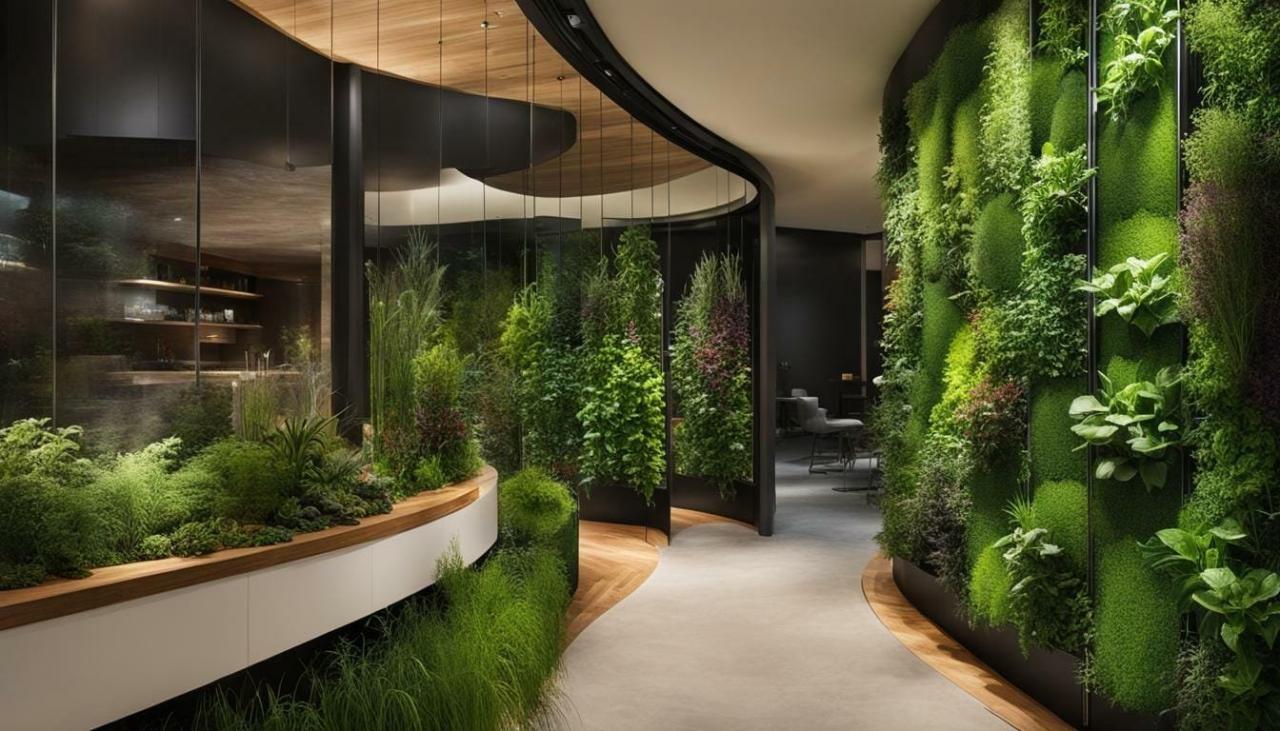
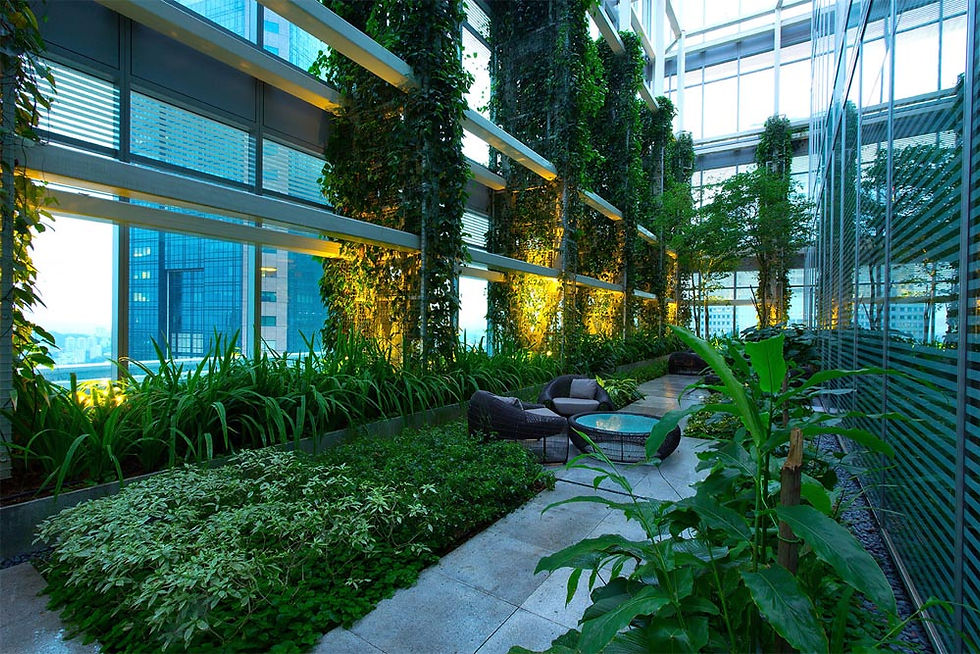
Lanskap perkotaan kontemporer sedang mengalami transformasi estetika dan ekologis yang dramatis, dipimpin oleh pesatnya perkembangan Taman Vertikal , atau “dinding hidup”, yang terintegrasi ke dalam desain gedung perkantoran modern. Melampaui sekadar dekorasi arsitektur, sistem fasad bio-integrasi ini mencetak rekor global baru untuk kinerja bangunan berkelanjutan, kesejahteraan penghuni, dan keanekaragaman hayati perkotaan. Tren ini menandai pergeseran besar dalam real estat komersial, di mana daya tarik estetika ruang hijau kini terkait langsung dengan peningkatan terukur dalam efisiensi energi bangunan, kualitas udara, dan produktivitas karyawan. Integrasi dinding hidup ke dalam arsitektur baja dan kaca inti perkotaan secara efektif mengaburkan batas antara alam dan lingkungan binaan, menciptakan ruang kerja “biofilik” yang memukau secara visual sekaligus unggul secara fungsional.
Analisis ekstensif ini akan mengkaji sistem rekayasa dan teknologi canggih—terutama dalam irigasi dan dukungan struktural—yang memungkinkan taman vertikal berskala besar. Kami akan mengeksplorasi manfaat lingkungan yang menarik, termasuk pengaturan termal dan penangkapan karbon, mengkaji manfaat psikologis dan kesehatan yang terukur bagi penghuni kantor, menganalisis keuntungan finansial dan pasar yang signifikan bagi pengembang, dan memproyeksikan masa depan di mana desain biofilik menjadi standar yang tak terbantahkan untuk semua arsitektur komersial bertingkat tinggi generasi mendatang.
Rekayasa di Balik Fasad Hidup
Penerapan taman vertikal yang sukses, terutama pada skala yang dibutuhkan untuk gedung perkantoran bertingkat tinggi, bergantung pada rekayasa hortikultura dan struktur canggih yang memastikan kesehatan tanaman dan integritas struktural jangka panjang.
1. Integrasi Struktural dan Penahan Beban
Taman vertikal harus ditambatkan dengan aman dan dikelola untuk menahan beban angin, aktivitas seismik, dan berat media jenuh yang sangat besar.
-
Sistem Panel Modular: Sebagian besar taman vertikal skala besar menggunakan sistem panel modular yang terbuat dari plastik atau logam daur ulang. Panel-panel ini dibuat di luar lokasi dengan kantong tanaman dan media tanam khusus, sehingga memungkinkan pemasangan yang cepat dan perawatan atau penggantian bagian-bagian individual yang mudah.
-
Substrate Material Selection: Traditional soil is too heavy and prone to compaction. Engineers use lightweight, porous growing media, often composed of hydroponic felts, mineral wool, or expanded clay aggregates, which provide excellent drainage and aeration while significantly reducing the load placed on the building facade.
-
Wind and Seismic Resistance: The attachment systems must be engineered to account for the extreme wind loads that increase with building height. The framework is typically secured with robust anchors that allow for some minor structural movement without damaging the wall or the plants, ensuring safety and longevity.
-

2. Advanced Irrigation and Nutrient Delivery
Plant health is entirely dependent on precise, automated delivery of water and dissolved nutrients, requiring a closed-loop, highly efficient system.
-
Closed-Loop Recirculation Systems: The most sustainable installations use closed-loop recirculation systems. Water that is not absorbed by the plants is collected in a trough at the base of the wall, filtered, and returned to the main reservoir, drastically reducing water consumption and setting new records for water efficiency in landscaping.
-
Drip and Micro-Spray Technology: Water and a precise blend of nutrient solutions are delivered via computerized drip irrigation or micro-spray nozzles embedded within the panel system. This method ensures that each plant receives only the required amount of sustenance, minimizing waste and preventing over-saturation.
-
Integrated Monitoring and Dosing: Sophisticated sensor networks monitor the pH, electrical conductivity ($\text{EC}$ – nutrient concentration), and moisture levels within the growing media. These data points feed back into an automated dosing pump that adjusts the nutrient solution in real-time to maintain optimal plant health, ensuring the long-term vitality of the ecosystem.
Environmental and Ecological Impact
The functional benefits of vertical gardens extend directly to the building’s performance and the surrounding urban microclimate, contributing significantly to global sustainability goals.
1. Thermal Regulation and Energy Savings
The living wall acts as a massive, natural insulation and shading system, fundamentally altering the building’s energy equation.
-
Evapotranspiration Cooling: Plants naturally cool the surrounding air through evapotranspiration (the process of water moving through a plant and evaporating from its leaves). This cooling effect significantly reduces the temperature of the air immediately surrounding the facade, lowering the ambient temperature of the urban core—a phenomenon known as the “urban heat island” effect.
-
Summer Shading and Insulation: The dense foliage provides highly effective solar shading, blocking direct sunlight from heating the building envelope in summer. In addition, the vegetation and air layer trapped within the wall structure provide a measurable insulation layer, reducing the need for mechanical cooling and saving record amounts of electricity.
-
Winter Insulation: While deciduous plants offer less insulation in winter, evergreen systems still trap a layer of air between the building and the planting system, acting as an insulating blanket that slightly reduces heat loss, complementing the building’s engineered insulation.
2. Air Quality and Biodiversity Enhancement
Vertical gardens directly address two major issues of dense urban centers: poor air quality and lack of ecological diversity.
-
Particulate and Gas Filtration: Plant leaves act as natural filters, trapping airborne particulate matter, dust, and heavy metals. Some plants are also highly effective at absorbing gaseous pollutants, including $\text{VOCs}$ (Volatile Organic Compounds) and $\text{NO}_x$ (Nitrogen Oxides), contributing to cleaner air within and around the office tower.
-
Noise Attenuation: The layers of plants and the growing medium are effective at absorbing sound waves, significantly reducing ambient noise pollution from traffic and construction, creating a quieter, more productive work environment inside the office.
-
Creating Urban Habitats: Large living walls, especially those with flowering plants, create miniature ecosystems, providing vital food and shelter for urban wildlife, including insects, butterflies, and small birds. This enhances local biodiversity and supports the overall ecological health of the metropolitan area.
 The Human Factor: Psychological and Productivity Gains
The philosophy of Biophilic Design—the idea that humans have an innate connection to nature—is the core driver of the psychological benefits derived from vertical gardens.
1. Improving Occupant Wellness and Stress Reduction
Exposure to natural elements is proven to reduce psychological stress and improve emotional well-being.
-
Reduced Cortisol Levels: Studies have shown that visual access to nature, even through a vertical wall, can lead to measurable reductions in the stress hormone cortisol and lower blood pressure in office workers, setting new metrics for workplace health.
-
Aesthetic Appeal and Satisfaction: The vibrant colors and textures of a living wall provide a dynamic, visually stimulating, yet calming focal point, contributing to higher levels of aesthetic satisfaction and a more positive perception of the workspace.
-
Sensory Engagement: Unlike static art, a living wall engages multiple senses—sight, scent, and even subtle sound (e.g., rustling leaves or the trickle of water)—creating a richer, more engaging environment that promotes relaxation and mental restoration.
2. Boosting Cognitive Function and Productivity
A more pleasant and natural environment directly translates into quantifiable improvements in employee performance.
-
Increased Focus and Attention: Biophilic elements are linked to improved cognitive function and attention capacity. Employees working near green spaces or with views of vertical gardens tend to exhibit better concentration and reduced fatigue throughout the day.
-
Lower Absenteeism Rates: Workplaces incorporating high levels of biophilic design often report lower employee absenteeism rates, suggesting that the improved air quality and reduced stress contribute to overall better physical health and morale.
-
Attraction and Retention of Talent: In highly competitive markets, amenity-rich, sustainably-designed offices (particularly those featuring large vertical gardens) act as powerful tools for talent attraction and retention, signaling a company’s commitment to employee well-being and environmental values.
Financial and Market Viability for Developers
While the initial cost of installing a large vertical garden can be high, the long-term financial returns and market differentiation offer compelling justification.
1. Market Differentiation and Premium Valuation
A living wall is a highly visible asset that dramatically distinguishes a property in a saturated commercial real estate market.
-
Higher Rental Yields: Office towers prominently featuring vertical gardens and other biophilic elements often command higher rental rates and secure tenants faster than comparable conventional buildings, directly increasing the developer’s income stream.
-
Enhanced Brand Image: For corporate tenants, occupying a building known for its environmental commitment and advanced green features aligns with corporate social responsibility ($\text{CSR}$) goals and enhances their public brand image, making the space highly desirable.
-
Accelerated Leasing Velocity: The uniqueness and aesthetic appeal of the living wall act as a powerful marketing tool, helping to accelerate the leasing velocity, reducing the costly period during which the property remains vacant after construction.
2. Lifecycle Cost Analysis and ROI
The calculation of Return on Investment (ROI) must shift from upfront capital cost to a long-term, lifecycle analysis.
-
Beban HVAC yang Berkurang: Penghematan energi yang diperoleh dari pengaturan termal yang disediakan oleh taman vertikal dapat dihitung selama beberapa dekade, menunjukkan pengurangan biaya siklus hidup yang signifikan yang dengan cepat mengimbangi premi pemasangan awal.
-
Biaya Perawatan Lebih Rendah: Sementara tanaman memerlukan perawatan hortikultura, bangunan itu sendiri mendapat manfaat dari berkurangnya keausan pada fasad, karena dinding melindungi lapisan luar dari radiasi $\text{UV}$ , cuaca ekstrem, dan retakan mikro, sehingga menurunkan biaya perbaikan jangka panjang.
-
Kepatuhan terhadap Sertifikasi Hijau: Pemasangan taman vertikal yang besar sering kali penting untuk mencapai sertifikasi keberlanjutan tingkat tertinggi (misalnya, LEED Platinum, Standar Bangunan WELL), yang selanjutnya meningkatkan nilai pasar properti dan daya tarik bagi investor institusional.
 Kesimpulan: Standar Biofilik Baru
Integrasi Taman Vertikal ke dalam gedung perkantoran modern mencetak rekor global baru, menandai perubahan permanen dan penting dalam desain real estat komersial. Hal ini didorong oleh rekayasa canggih yang menjamin integritas struktural dan efisiensi air, manfaat lingkungan yang menarik seperti pendinginan pasif dan penyaringan udara, serta manfaat manusia yang terukur termasuk pengurangan stres dan peningkatan produktivitas. Bagi pengembang, investasi awal dijamin oleh imbal hasil sewa yang lebih tinggi, percepatan sewa, dan penghematan energi jangka panjang. Dinding hidup bukan lagi kemewahan opsional; melainkan elemen definitif dan berkinerja tinggi yang mendefinisikan masa depan gedung perkantoran yang berkelanjutan, sadar kesehatan, dan sukses secara komersial, membuktikan bahwa bangunan paling cerdas adalah bangunan yang merangkul kekuatan alam.

